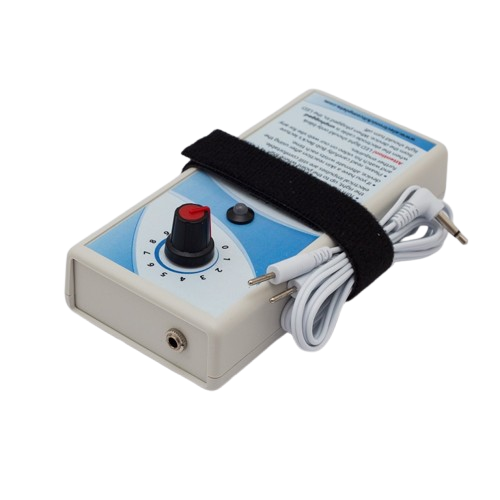
How to Choose Bob Beck Device Options
You can spot a confusing Bob Beck listing in seconds. One seller says any small zapper will do, another bundles five accessories you may not need, and a third throws around technical terms without explaining what they mean. If you are trying to figure out how to choose Bob Beck device options without wasting money or buying the wrong tool, the key is to focus less on hype and more on protocol fit, build quality, and safety.
This is a niche category, and that is exactly why buyers get tripped up. Bob Beck devices are often discussed in forums, passed around in word-of-mouth recommendations, or sold by stores that assume you already know the difference between a blood electrifier, a magnetic pulser, and a full protocol kit. Most beginners do not. A good buying decision starts with knowing what you are actually trying to use, how often you expect to use it, and whether you want a single device or a more complete setup.
How to choose Bob Beck device models for your needs
The first question is not which brand looks best. It is whether you want a standalone blood electrification device or a broader Bob Beck protocol package. Many people search for one product when they are really comparing two different categories.
A basic blood electrification device is centered on wrist electrodes and electrical output designed for that part of the protocol. If your goal is to start simply, keep cost lower, and learn one device well before adding more equipment, this is often the better entry point. On the other hand, if you already know you want the broader Beck-style approach, a complete kit may make more sense because the components are designed to work together and you avoid piecing things together later.
That trade-off matters. A single device is usually easier for beginners, but a kit can be more cost-effective than upgrading one piece at a time. The right choice depends on whether you are testing interest or committing to a fuller routine.
Start with protocol compatibility, not marketing claims
This category attracts bold claims, and that is where buyer judgment really matters. A proper Bob Beck style device should be presented in terms of protocol use, electrode setup, power delivery, and practical operation. If the product page is heavy on dramatic promises but light on basic details, treat that as a warning sign.
You want clear information about how the device is used, what accessories are included, and whether the seller explains the intended role of that device within a Beck-style protocol. Good product education is usually a sign that the company expects informed customers. Vague language often means you will be left guessing after checkout.
This is also where beginners accidentally buy the wrong type of machine. Some devices in adjacent electrotherapy categories are not the same thing, even if they look similar or use familiar words like frequency, pulse, or microcurrent. Similar appearance does not equal protocol match.
Safety should be easy to find
If a device seller makes safety hard to find, keep looking. In a category like this, responsible education matters just as much as the hardware.
Look for plain-language guidance on who should avoid use, how long sessions typically last, how to place electrodes, and what kind of sensations are normal. A trustworthy seller should acknowledge that these devices are not for everyone and should explain basic precautions clearly. For example, readers generally expect to see warnings related to pacemakers, pregnancy, seizure history, and other situations where electrical devices may not be appropriate.
It also helps when the device includes straightforward controls rather than forcing you to guess at settings. Simpler is often better, especially for first-time users. More adjustable settings are not automatically a benefit if they make the device harder to use correctly.
Check electrode quality and replacement costs
One of the most overlooked parts of how to choose Bob Beck device products is the wrist electrode system. This is not a minor accessory. It is part of the actual day-to-day experience.
Pay attention to the materials, comfort, fit, and ease of cleaning. If the electrodes are awkward, flimsy, or irritating to wear, the device may end up sitting in a drawer no matter how impressive the spec sheet sounds. Reliable wristbands or electrode contacts also matter because inconsistent contact can make sessions frustrating.
Replacement availability is another practical factor. Some buyers focus only on the upfront device cost and forget to check whether replacement electrodes, straps, or contact materials are easy to get later. A device is much easier to live with when routine parts are clearly available and reasonably priced.
Power source and build quality matter more than flashy features
A Bob Beck device does not need to look futuristic to be useful. In fact, many buyers are better served by a sturdy, simple unit than by something overloaded with extras.
Consider whether the device uses batteries, rechargeable power, or another setup. Battery-powered units can be convenient and portable, but you may prefer rechargeable options if you plan to use the device regularly. Neither is always better. It depends on whether portability or long-term convenience matters more to you.
Build quality often shows up in small details. Buttons should feel solid. The display, if there is one, should be easy to read. Leads and connectors should not feel delicate. A device made for repeated home use should feel dependable, not disposable.
Good instructions can make the difference between use and abandonment
A surprising number of people do not quit because the device failed. They quit because the instructions were weak.
When comparing products, look closely at what kind of guidance comes with the purchase. Does it include a printed manual, step-by-step setup instructions, troubleshooting help, and clear session guidance? Is the language beginner-friendly, or does it assume prior experience with electrotherapy devices?
This is where a niche educational seller has an advantage over a generic marketplace listing. If the company spends time explaining setup, session flow, maintenance, and common mistakes, you are more likely to use the device correctly and consistently. For many buyers, that support is worth more than a minor price difference.
Do not confuse a complete kit with better value in every case
Bundles can be useful, but only if the extra components match your actual goals. Some shoppers buy the largest package available because it seems like the smartest long-term move. Sometimes it is. Sometimes it just creates clutter and confusion.
If you are new, ask yourself whether you want to learn one device first or whether you are comfortable starting with a broader Beck-style kit. There is no universal right answer. A complete package can be efficient for committed users, while a focused entry device can feel less overwhelming and easier to evaluate.
If you do consider a package, make sure each included item is clearly explained. You should know what each component does, how often it is used, and whether it is central to your plan or just an add-on.
Price matters, but context matters more
The cheapest option is often cheap for a reason. The most expensive option is not automatically superior either.
A fair comparison looks at total value: device quality, included accessories, instruction quality, replacement part availability, safety guidance, and seller credibility. A modestly higher price can be justified if it saves you from replacing poor accessories, hunting down missing components, or guessing your way through setup.
This is especially true in a niche category where inconsistent sellers are common. A well-supported device from a focused educational source such as Blood Electrification Device may offer better real-world value than a lower-cost listing with thin documentation and unclear specifications.
Signs a seller is worth trusting
You do not need perfect branding or flashy design. You do need evidence that the seller understands the category.
Look for product descriptions that explain rather than exaggerate. Look for realistic usage guidance, clear photos of what is included, and a willingness to discuss safety and limitations. If everything feels vague, rushed, or overly hyped, that usually carries over into the customer experience.
It also helps when the seller clearly serves beginners. Most people researching Bob Beck equipment are not engineers. They want direct answers, not mystery.
A simple way to narrow your choice
If you feel stuck, reduce the decision to four filters. First, does the device actually match the Bob Beck style function you want? Second, does it come with clear safety and usage instructions? Third, are the electrodes and core components built for repeat use? Fourth, does the seller explain the product well enough that you know what you are buying?
If a device passes those tests, you are already avoiding many of the common mistakes in this space. From there, the choice usually comes down to whether you prefer a simple starter unit or a more complete protocol package.
A good device should not leave you feeling sold to. It should leave you feeling prepared. That is usually the clearest sign you are choosing well.