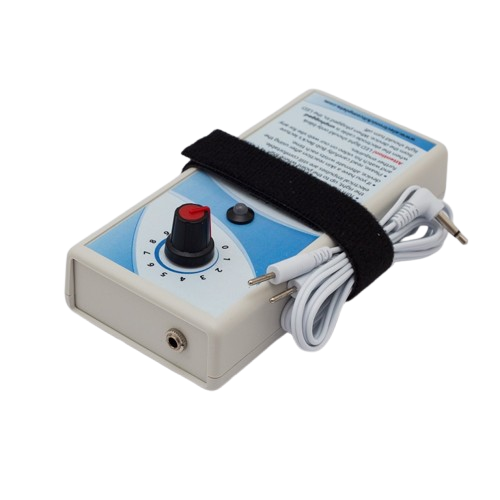
Blood Electrification Device Instructions
If you have been piecing together blood electrification device instructions from old forum posts, product inserts, and contradictory videos, you are not alone. This is one of those wellness categories where people are curious, motivated, and often stuck with incomplete guidance. The result is simple – users either overcomplicate the process or use the device too casually. Neither is ideal.
What most beginners need is not a pile of theory. They need a clear starting point, a realistic sense of what the device is supposed to do, and a safe way to build confidence with it at home. That is what this article is for.
What a blood electrification device is meant to do
A blood electrification device is generally discussed within the Bob Beck protocol world. The device uses low-level electrical signals that are typically delivered through electrodes placed over the wrist arteries. The idea, as presented in this niche, is not that the current directly enters the bloodstream with an invasive process, but that the signal is applied externally in a very specific way.
That distinction matters because beginners often imagine something much more intense than what these devices actually do. In practice, most home units are built around low-output use, simple controls, and repeatable sessions. The experience should feel controlled and manageable, not dramatic.
At the same time, this is still a device-based wellness tool. It makes sense to approach it with the same care you would give any at-home electrotherapy product. Curiosity is useful. So is caution.
Blood electrification device instructions before your first session
Before turning anything on, check that your device, wrist electrodes, cables, and power source are all in good condition. If a cable looks frayed or a clip feels loose, stop there and replace the faulty part. Small hardware issues create big user errors.
You will also want clean skin at the electrode contact area. Oils, lotion, and sweat can interfere with contact and make the session feel inconsistent. Wash the wrists with mild soap and water, dry them well, and remove any jewelry from the area.
Then get familiar with your controls while the device is still off. Know where the power switch is, where the intensity is adjusted, and how your unit displays timing if it has a timer. This sounds basic, but many first-time users start a session before they fully understand what each setting does.
Choose a quiet time when you are sitting down and not rushing. A blood electrification session is not something to squeeze in while doing three other tasks. Calm setup reduces mistakes.
How to place the electrodes correctly
For most blood electrification devices, the wrist electrodes are positioned over the pulse points on each wrist. The exact design varies by kit. Some use metal cylinders or handheld contacts, while others use strap-style electrodes. The common goal is stable, even contact at the wrist area.
If your device uses straps, fasten them snugly but not tightly. You want full skin contact without restricting circulation. If it uses handheld electrodes, hold them comfortably and consistently through the session instead of squeezing hard. Pressure does not improve the session. Good contact does.
If one side keeps slipping or losing contact, do not keep increasing the power to compensate. Fix the physical setup first. Many sensation problems come from poor placement, not from the output being too low.
How to start with low intensity
This is where many beginners go wrong. They assume stronger means better. With blood electrification devices, that is usually the wrong mindset.
Start at the lowest setting and increase gradually only until you feel a mild sensation, if your unit is designed to create one. That sensation may feel like a faint pulse, light tingling, or a gentle rhythmic awareness at the wrist. It should not feel sharp, painful, or overwhelming.
Some people are more sensitive than others, and skin moisture, electrode fit, and individual tolerance all affect what you feel. So there is no universal “correct” sensation level beyond this principle: enough to know the device is working, not so much that the session becomes uncomfortable.
If discomfort appears quickly, turn the intensity down and check the contact points again. Poor placement can create hot spots or uneven sensation.
Typical session length and frequency
Session timing depends on the device instructions that came with your specific unit, but many users in the Bob Beck space begin with one session per day and build consistency before changing anything else. A common beginner mistake is doing long or repeated sessions immediately because they want faster results.
More is not always better here. A simple, repeatable routine is usually smarter than an aggressive start.
If your unit includes a recommended session length, follow that rather than copying what someone else claims to do online. Different devices may use different pulse patterns, output levels, or timing assumptions. That means internet advice can become misleading fast.
It is also worth paying attention to how you feel afterward. Some users report feeling fine and energized. Others prefer using the device later in the day because they feel relaxed afterward. That kind of response can shape your best schedule.
Safety basics that should not be skipped
Blood electrification devices sit in a category where enthusiasm can outrun common sense. That is why safety belongs in any real set of blood electrification device instructions.
Do not use the device while driving, bathing, showering, or sleeping. Keep it away from water and never use damaged cords or electrodes. If the device is battery-powered, use the correct battery type and replace weak batteries before they create inconsistent output.
People with implanted electronic devices such as pacemakers should avoid this kind of equipment unless they have specific medical clearance. The same caution applies if you are pregnant, have a seizure disorder, or are under active medical care for a serious condition. This is not about dismissing the category. It is about recognizing that electrical devices are not one-size-fits-all.
If you have skin irritation on the wrists, wait until the area heals. Using electrodes over broken or inflamed skin is asking for trouble.
And if your reaction feels unusual, stop the session. Mild sensation is one thing. Ongoing pain, dizziness, or strong discomfort is another.
Common mistakes beginners make
The biggest mistake is chasing intensity. New users often think they need a strong electrical feeling for the session to count. In reality, too much intensity can make the experience unpleasant and distract from consistent use.
The second mistake is inconsistent placement. When the electrodes are shifted slightly each time, the session feels different, and people assume the device is unreliable. Often the device is fine. The setup is what changed.
The third mistake is mixing multiple new wellness tools at once. If you start a blood electrification device, a zapper, silver solution, and dietary changes all at the same time, it becomes hard to tell what is helping, what is irritating you, and what needs adjustment. A more measured approach gives you better information.
Another common issue is relying on random user anecdotes over the instructions for your actual device. In this niche, people often share strong opinions based on custom setups, older models, or personal routines that may not match your equipment at all.
What to expect in the first few uses
For some users, the first session feels uneventful except for a mild wrist sensation. That is not a bad sign. Not every useful device experience feels dramatic.
Others notice that setup gets easier after two or three sessions. They learn how tight the straps should be, how much moisture affects contact, and what intensity feels right for them. That learning curve is normal.
You may also find that consistency matters more than novelty. A device that is easy to use correctly tends to get used. A device that feels confusing or fussy tends to end up in a drawer. If your current setup feels harder than it should, simplify it.
That is one reason many readers turn to focused resources like bloodelectrificationdevice.com. In a niche with scattered information, clear product-specific education makes a real difference.
When instructions vary by device
Not all blood electrification units are built the same way. Some are basic. Some include timers. Some are packaged as part of broader protocol kits. Because of that, the exact instructions can differ in small but important ways.
If your manufacturer says to use a certain session length, electrode type, or maintenance routine, use that as your primary reference. General education is helpful, but your own unit’s design should guide the details.
The same goes for cleaning and storage. Wipe electrodes as recommended, store the unit in a dry place, and avoid tossing cables loosely into a drawer where they get bent or stressed. Good maintenance protects both performance and safety.
A blood electrification device is easier to work with when you treat it like a precision wellness tool rather than a gadget. Start low, stay consistent, and let clarity guide the process instead of urgency.