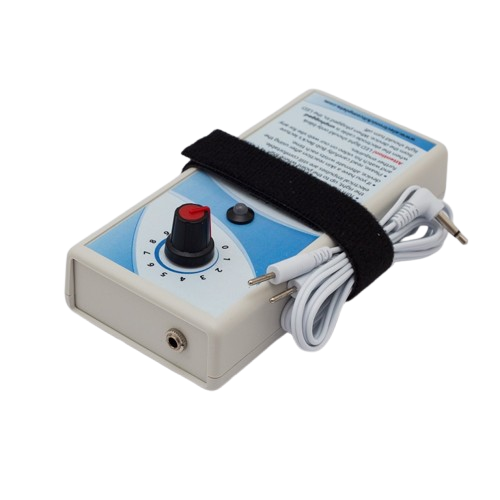
Bob Beck Device for Home Use Explained
If you have been researching a bob beck device for home use, you have probably noticed two things right away – people talk about it with a lot of confidence, and the actual explanations are often scattered, vague, or overly technical. That gap is exactly where most beginners get stuck. You want to know what the device is, what it is supposed to do, whether it is realistic for home use, and how to approach it without guesswork.
A Bob Beck-style device is generally used as part of the Bob Beck Protocol, an alternative wellness approach built around low-level electrical stimulation and companion tools. For most home users, the main point of interest is blood electrification, which typically involves wearing electrode bands on the wrists and running a very small current for a set period. Some kits also include magnetic pulsing and silver-related components, depending on how closely they follow a full protocol package.
What a Bob Beck device for home use actually is
At its simplest, a Bob Beck device for home use is a small electronic unit designed to deliver a low-frequency, low-intensity electrical signal through wrist electrodes. The current is not meant to feel aggressive. In many cases, users describe a light tingling or pulsing sensation, while others feel almost nothing at all when the settings are correct.
That matters because many newcomers expect something dramatic. In reality, these devices are built around subtle output, not intensity. The idea is not to overwhelm the body. It is to apply a controlled electrical signal in a consistent, repeatable way that can be managed at home.
Most units aimed at consumers are portable, fairly simple to operate, and designed around a routine rather than a one-time session. That makes them attractive to people who want a self-directed wellness tool, but it also means expectations need to be grounded. This is not the kind of device you plug in once and instantly understand. It usually makes more sense when viewed as part of a method.
Why people choose home use instead of clinic-based options
The appeal is easy to understand. People looking into electrotherapy often want more autonomy, more consistency, and fewer barriers between interest and actual use. A home unit lets you build sessions into your own schedule instead of depending on appointments, travel, or expensive in-office equipment.
For some readers, the attraction is also philosophical. They are already interested in alternative wellness and prefer tools they can learn, monitor, and use personally. A home device feels more practical than chasing fragmented advice across forums or trying to piece together a setup from unrelated sellers.
That said, home use comes with responsibility. Convenience is only a benefit if the device is used correctly. Good instructions, realistic expectations, and attention to safety are what make home use manageable rather than confusing.
How the Bob Beck approach is usually used at home
Most beginners start with the blood electrification portion because it is the most recognized part of the protocol. In a typical session, you place conductive wrist electrodes correctly, start at a low setting, and use the device for the recommended duration from the manufacturer or guide you are following. Consistency usually matters more than pushing intensity.
Some people buy only the blood electrifier. Others want a more complete package that reflects the broader Bob Beck Protocol. That can include additional tools, but a fuller kit is not automatically better for everyone. If you are brand new, a simpler setup is often easier to learn and use correctly.
The trade-off is straightforward. A basic device is less overwhelming and often less expensive. A multi-part kit may feel more complete, but it can create confusion if you do not yet understand what each component is for or how the schedule is meant to work.
What beginners often get wrong
The most common mistake is assuming stronger current means better results. With a Bob Beck-style unit, that thinking can lead to discomfort and poor technique. These devices are generally intended for gentle use. If the sensation is harsh, the setup, conductivity, or setting may need adjustment.
Another common mistake is inconsistent use. People try it once or twice, feel unsure, and then stop before they have even established a routine. Home wellness tools tend to work best when the user is organized, patient, and willing to follow a clear process.
The third issue is buying based on hype instead of clarity. Not every product marketed under the Bob Beck name is equally well explained, equally well built, or equally suitable for a beginner. If the seller cannot tell you what is included, how to use it, and what precautions matter, that is a problem.
Safety matters with any bob beck device for home use
This category attracts people who want alternatives, but responsible use still matters. A bob beck device for home use should never be treated like a casual gadget. It is an electrical wellness device, and that means instructions matter.
People with implanted electronic devices such as pacemakers should be especially cautious and should not assume compatibility. Pregnant users, people with seizure disorders, and anyone with a serious medical condition should approach this category carefully and seek qualified guidance before use. Skin sensitivity can also matter, especially if the wrist electrodes are worn incorrectly or for too long.
It is also wise to pay attention to hydration, skin contact, and session timing. Dry electrodes, poor placement, or trying to rush the setup can make the experience less comfortable and less consistent. Small details tend to make a big difference with this kind of device.
How to choose the right setup
If your goal is practical home use, start by looking for clarity rather than features. You want to know the intended use, what is included in the package, how the electrodes are worn, how settings are adjusted, and whether beginner instructions are provided in plain English.
Build quality matters too. Wrist bands, leads, connectors, and control units all affect day-to-day usability. A device can look good in photos and still become frustrating if the accessories are flimsy or the instructions are incomplete.
There is also a genuine difference between buying a loose device and buying a structured kit. A standalone unit may be enough if you already know the protocol. A more guided package is often better for first-time users who want a clear path instead of assembling parts from multiple sources. That is one reason focused educational sites such as bloodelectrificationdevice.com are useful – they help readers understand not just the device, but the logic behind the setup.
What you should realistically expect
It helps to be honest here. A Bob Beck-style device sits in an alternative wellness category, and users often come in with very different goals. Some are exploring general wellness support. Others are looking for a tool they can add to a broader personal routine. Either way, this is not a category where exaggerated promises help anyone.
A more realistic expectation is that home users are looking for a manageable, repeatable practice that aligns with their interest in bioelectric wellness. The value often comes from structure, consistency, and personal control. If you need certainty, mainstream validation, or conventional treatment framing, this may not feel like a comfortable fit.
That does not mean it lacks value. It means expectations should match the nature of the category. People who do well with these devices are often the ones who take time to learn the method, use the equipment carefully, and pay attention to how their body responds over time.
Is home use a good idea for you?
For many readers, yes – but only if you want an active role in the process. A Bob Beck device is not difficult in the way complex medical equipment is difficult, but it does ask for attention, consistency, and a willingness to follow directions.
If you want a plug-and-forget solution, home electrotherapy may frustrate you. If you want a wellness tool you can learn, use on your own schedule, and integrate into a more intentional routine, it may be a much better fit.
The best starting point is not chasing the strongest claims. It is choosing a device or kit that makes home use feel clear, safe, and realistic from day one. When the information is solid, the category becomes far less mysterious – and much easier to approach with confidence.