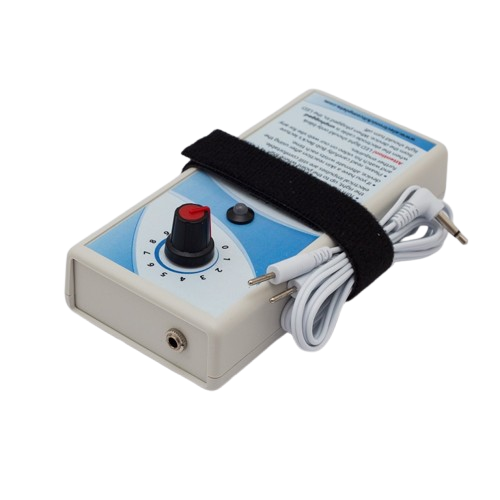
Future of Home Electrotherapy: What Changes?
A few years ago, most people researching electrotherapy at home had to piece everything together from forum posts, old protocol PDFs, and product pages that assumed too much. That is exactly why the future of home electrotherapy matters. This space is moving from scattered, niche experimentation toward more structured, user-friendly systems that make home use easier to understand, compare, and approach responsibly.
For people interested in blood electrification devices, the Bob Beck Protocol, and related wellness tools, that shift is a big deal. Better devices are only part of the story. The larger change is that education, safety guidance, and kit design are starting to matter just as much as raw device specs.
What the future of home electrotherapy is really about
When people hear “future,” they often think of flashy upgrades or app-connected gadgets. Some of that is coming, but the more meaningful development is simpler. Home electrotherapy is becoming more usable for ordinary people who are not engineers, clinicians, or longtime protocol users.
That means clearer controls, more consistent output, better instructions, and fewer avoidable mistakes. It also means companies in this niche will face more pressure to explain what a device is for, how it fits into a protocol, and what users should watch for before they start. In a category that already attracts both strong interest and healthy skepticism, trust will increasingly come from clarity.
This is especially true in alternative wellness. Readers are not just looking for a device. They are looking for direction. If someone is considering blood electrification, magnetic pulsing, colloidal silver support tools, or a more complete Bob Beck-style setup, they want to know how those pieces fit together in real life, not just in theory.
Simpler devices will probably outperform more complicated ones
One of the biggest mistakes in this category is assuming that more features automatically mean a better experience. For many home users, the opposite is true. If a device has confusing settings, poor labeling, or vague instructions, it increases the chance of inconsistent use.
The future of home electrotherapy will likely favor equipment that reduces friction. That could mean preset ranges, more intuitive displays, easier electrode placement, and physical designs that make sessions less awkward. People stick with routines that feel manageable. If using a device feels like troubleshooting lab equipment, many beginners quit before they ever become confident.
There is a trade-off here. Advanced users sometimes want more control over timing, intensity, or waveform options. But for the broader home market, simplicity usually wins. The best next-generation devices may not be the ones with the longest feature list. They may be the ones that help users do the basics consistently and correctly.
Safety will become a bigger selling point
As interest in at-home wellness devices grows, safety language can no longer be treated like fine print. That is one of the clearest signs of where this market is heading.
People want practical answers to very basic questions. Who should avoid a device? What side effects are commonly reported? What does normal use feel like? What signs mean you should stop and reassess? These questions are not barriers to a sale. They are part of the decision.
In the future, stronger brands in this category will likely be the ones that treat safety education as a core feature. That includes explaining hydration, session timing, electrode care, contraindications, and realistic expectations. It also includes being honest about limits. Home electrotherapy is not a magic button. Results can vary widely based on the device, the protocol, the user, and the reason someone is trying it.
For a niche site like Blood Electrification Device, this is where authority becomes especially important. Readers do not just need excitement about the category. They need enough grounded information to decide whether a home protocol even makes sense for them.
Better protocol integration is likely to shape the market
Another important part of the future of home electrotherapy is that devices will be sold less as isolated tools and more as parts of a system. That matters because many users are not looking at one device in a vacuum. They are comparing full-use scenarios.
Someone researching blood electrification may also be curious about magnetic pulsers, ozonators, or silver-making tools associated with broader alternative protocols. Right now, one of the biggest pain points is confusion. Users often do not know what to start with, what is optional, what order things are typically used in, or whether a complete kit is worth it.
Over time, the companies that do best will likely organize products around actual user journeys. Beginner kits, step-by-step protocol support, maintenance guidance, and more transparent upgrade paths will make a difference. This does not mean every user needs a full setup. It means people want to understand the logic behind what they are buying.
That shift may also reduce abandoned devices. A tool that looks promising on a product page can end up sitting in a drawer if the user never feels fully sure how to use it as part of a practical routine.
Smarter education may matter more than smarter hardware
It is easy to get distracted by hardware trends, but content quality may end up being the real separator in this niche. The average beginner does not start with technical questions about circuitry. They start with very human questions.
Does this hurt? How long does a session take? Is this the same as a TENS unit? What is the difference between blood electrification and other electrotherapy methods? Can I use this by itself, or do I need a full protocol?
The brands that answer those questions clearly will have an advantage, even if their devices are not radically different from competitors. In a category shaped by uncertainty, good education lowers hesitation. It also creates better outcomes because people are more likely to use a device correctly.
The future of home electrotherapy may include videos, guided setup materials, printable instructions, clearer troubleshooting, and more realistic examples of how beginners actually start. That is not glamorous, but it is useful. And useful is what builds trust.
Personalization is coming, but it may arrive slowly
A lot of wellness technology is moving toward personalization. Home electrotherapy will probably follow that path, though maybe not as quickly as some expect.
In practical terms, personalization could mean adjustable programs based on comfort level, intended use, session history, or protocol stage. It could also mean devices that help users track consistency over time. For some people, that would make home routines easier to maintain.
Still, there are limits. More personalization can also mean more confusion if it is not explained well. A beginner-friendly path and an advanced-user path are not the same thing. If a device tries to serve everyone equally, it may end up serving no one particularly well.
That is why the next phase of this market will probably reward brands that segment their products clearly. A starter device should feel like a starter device. An advanced model should explain why its extra options matter. The worst outcome is a product that looks accessible but requires expert-level interpretation.
Credibility will matter more as awareness grows
As more people hear about alternative electrotherapy, this niche will likely attract both better products and more noise. That is usually what happens when a category starts moving beyond early adopters.
Some sellers will overpromise. Some will use technical language to sound more convincing than they really are. Others will present every device as universally useful, even when the better answer is, “It depends.”
That makes credibility a central part of the future of home electrotherapy. Users will increasingly look for brands that explain differences without hype, acknowledge uncertainty, and give enough context for informed decisions. They will also look for consistency. If a company cannot clearly explain how to use its own device, that is a red flag.
For home users, this means the buying decision may become less about flashy claims and more about support, instructions, transparency, and whether a device fits a realistic home routine.
What users should expect over the next few years
Most likely, home electrotherapy will not change through one dramatic breakthrough. It will improve through a series of practical upgrades that make the category less confusing and more approachable.
Expect more beginner-oriented device design, more emphasis on side effects and contraindications, and more complete protocol education around blood electrification and related systems. Expect stronger separation between casual curiosity products and more serious, protocol-based tools. And expect users to become more selective, especially when comparing kits, accessories, and claims.
That is good news for people who want more control over their wellness routines without sorting through fragmented information on their own. The future here is probably not about making home electrotherapy look futuristic. It is about making it understandable, usable, and responsible enough that more people can approach it with confidence instead of confusion.
If you are watching this category closely, that is the real shift worth paying attention to.