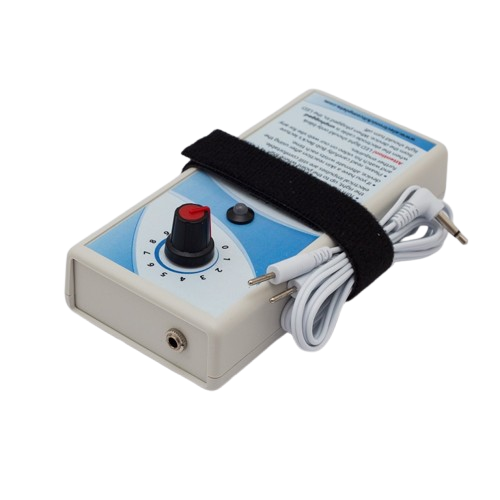
Blood Electrification Side Effects Explained
If you are researching blood electrification side effects, you are probably running into two extremes. One side says there are no issues at all. The other makes the practice sound automatically dangerous. Neither is very helpful when you are trying to make a careful, informed decision about using a device at home.
The more useful answer is that side effects can happen, but they are not all the same. Some reactions are mild and temporary. Others suggest the device is being used too aggressively, too often, or by someone who should not be using it in the first place. That distinction matters, especially in a niche like this where people often piece together information from forums, old protocol notes, and seller pages.
What people mean by blood electrification side effects
In the Bob Beck world, blood electrification usually refers to low-current electrical stimulation applied externally, often at the wrists, with the goal of influencing the blood as it circulates through the radial and ulnar arteries. People looking into these devices are often dealing with fatigue, long-term wellness concerns, immune support questions, or a general interest in alternative bioelectric approaches.
When people ask about side effects, they may mean a few different things. They might be talking about physical sensations during a session, short-term reactions after use, or more serious safety concerns tied to health conditions, medication use, or improper setup. Putting all of those under one label creates confusion, so it helps to separate common, manageable reactions from true warning signs.
Common blood electrification side effects users report
The most frequently discussed blood electrification side effects tend to be mild. Users often mention skin irritation where the electrodes touch the wrist. That can feel like redness, dryness, tenderness, or a slight stinging sensation. In many cases, this is less about the current itself and more about electrode contact, session length, skin sensitivity, or using the device at a higher setting than necessary.
Some people also report temporary fatigue, lightheadedness, or a washed-out feeling after a session. This is one of the most debated reactions in the category. Some users interpret it as part of an adjustment period, while others see it as a sign they started too strongly. Either way, if a session leaves someone feeling noticeably worse for more than a short period, that is usually a sign to reduce intensity, shorten use, or stop and reassess.
Headache is another commonly mentioned issue. Sometimes that is tied to dehydration, overuse, or stacking multiple wellness protocols at once. If someone begins blood electrification while also changing supplements, trying magnetic pulsing, using silver protocols, and adjusting diet, it becomes hard to tell which variable is causing the reaction.
Sleep disruption can go either direction. Some users feel more relaxed after a session, while others say they feel overstimulated if they use the device too late in the day. This is one of those it-depends side effects. Timing matters, and so does individual sensitivity.
Why side effects happen
A lot of side effects come down to dosage, even though people do not always think of device use that way. With blood electrification, more is not automatically better. Longer sessions, stronger current, poor electrode placement, or using the device more often than recommended can all increase the chance of an unpleasant reaction.
Skin contact is a simple but overlooked factor. Dry skin, worn electrode pads, poor conductivity, or straps that are too tight can make a mild session feel harsher than it should. Inexperienced users sometimes assume discomfort means the device is working better. Usually, it means the setup needs adjustment.
There is also the issue of individual variation. Someone with sensitive skin, low body weight, chronic illness, nervous system sensitivity, or a tendency toward dizziness may react differently than someone else using the exact same settings. That is why responsible guidance in this space should never treat every user as interchangeable.
What is normal and what is not
A mild tingling sensation at the electrode site can be normal. Brief redness that fades fairly quickly can also happen. A subtle sense of tiredness after a first session may not be unusual, especially if someone starts with a full-length session rather than easing in.
What is not normal is sharp pain, significant skin burning, lingering dizziness, heart palpitations, chest discomfort, or feeling faint. Those are not side effects to push through. They are signals to stop using the device and take the reaction seriously.
Another red flag is persistent irritation at the contact points. If the skin looks increasingly inflamed after repeated sessions, the answer is not to keep going and hope it settles down. It usually means the contact method, materials, duration, or intensity needs to change, or the device may simply not be a good fit for that person.
People who should be especially cautious
This category is not one-size-fits-all. People with pacemakers or implanted electronic devices should be extremely cautious and generally avoid unsupervised use. The same goes for anyone with known heart rhythm issues unless they have qualified medical guidance.
Pregnant users are another group where caution is warranted because safety has not been well established in this niche. People with seizure disorders, severe circulatory issues, open wounds near electrode sites, or major unexplained symptoms should also avoid casual experimentation.
Medication use can matter too. If someone is taking blood thinners, medications that affect heart rhythm, or treatments that already influence the nervous system, it makes sense to slow down and think through compatibility instead of assuming a wellness device is automatically low-risk.
How to reduce the chance of side effects
The safest approach is usually the least exciting one. Start lower and shorter than you think you need. Pay attention to how your body responds over the next several hours, not just during the session itself.
Good skin prep helps. Clean wrists, proper electrode placement, and fresh conductive materials can make a big difference in comfort. So can avoiding the temptation to turn the device up just to feel something stronger.
It also helps to change one variable at a time. If you are new to this category, avoid launching an entire protocol stack on day one. Start with blood electrification alone, then evaluate. That gives you a better chance of identifying whether a side effect is linked to the device, timing, duration, or something else entirely.
Hydration, rest, and sensible session timing matter more than many beginners realize. If you are already exhausted, dehydrated, or trying a session right before bed, your experience may not match someone using the same device under better conditions.
Blood electrification side effects and beginner mistakes
Many of the blood electrification side effects people talk about online are tied to beginner mistakes rather than the core concept alone. One common mistake is assuming a protocol is universal. A setting that feels tolerable for one person may be excessive for another.
Another mistake is ignoring the instructions that come with the device and relying only on scattered forum advice. This niche has a long history, but it also has a lot of outdated, oversimplified, or secondhand information floating around. Structured guidance is usually safer than crowd-sourced guessing.
People also get into trouble when they use discomfort as feedback that the session is effective. In practice, a good session should feel controlled and manageable, not punishing. If the process feels harsh, that is usually not a badge of progress.
For readers trying to sort through device education and basic safety, resources from Blood Electrification Device can help make those early decisions less confusing.
The bigger trade-off to understand
Alternative wellness users often value autonomy, and that makes sense. The appeal of at-home electrotherapy is partly about having options beyond mainstream pathways. But autonomy works best when paired with restraint.
The trade-off is simple. The more casually someone treats a niche electrical device, the more likely they are to create avoidable side effects. The more carefully they approach setup, dosage, timing, and body response, the more likely they are to have a useful experience without unnecessary problems.
That does not mean every reaction is dangerous. It means reactions should be interpreted, not dismissed. Mild side effects may point to adjustments. Strong side effects may point to a poor match, poor technique, or a reason to stop altogether.
If you are feeling unsure, that uncertainty is not a weakness. It is usually the right cue to slow down, use less, and let your body tell you whether this tool belongs in your routine at all.