How to Set Electrode Placement Correctly
A lot of frustration with at-home electrotherapy comes down to one simple issue: the device may be working, but the electrodes are not placed well enough to deliver a consistent session. If you are trying to learn how to set electrode placement correctly, the goal is not just getting pads or contacts onto the skin. The goal is creating stable, comfortable contact in the right area, with the right spacing, for the purpose of the device you are using.
That sounds straightforward until you realize how much bad advice gets repeated online. Some people place electrodes wherever it feels convenient. Others copy a photo without understanding why the placement matters. In practice, correct placement affects comfort, signal quality, skin response, and whether your session feels even or irritating.
Why electrode placement matters more than most beginners expect
Electrotherapy devices rely on current moving between contact points. If those contact points are too close, too far apart, unevenly attached, or placed over poor skin surfaces, the session can become inconsistent. You may feel hot spots, patchy stimulation, or no meaningful effect at all.
This is especially relevant in alternative wellness settings, where users are often working from product instructions, protocol guides, and scattered community advice rather than direct clinical supervision. That makes placement discipline more important, not less. A careful setup helps reduce guesswork and gives you a better chance of repeating the same session conditions from one use to the next.
The exact placement also depends on the device category. Handheld contact electrodes, adhesive pads, wrist straps, and protocol-specific accessories all behave a little differently. So there is no universal map that applies to every electrotherapy tool. What stays universal is the principle: clean contact, proper spacing, secure positioning, and alignment with the intended use of the device.
How to set electrode placement correctly before you turn anything on
Start with the skin, not the machine. The contact area should be clean and dry unless the device instructions specifically call for moisture, conductive solution, or another preparation method. Oils, lotions, and sweat can interfere with conductivity and make sessions less predictable.
Next, check the electrodes themselves. If you are using adhesive pads, look for dried gel, curled edges, or debris. If you are using metal contacts or handheld electrodes, make sure the surfaces are clean and free from corrosion or residue. Worn-out electrodes often cause placement problems that users mistake for device failure.
Placement should also be symmetrical when the protocol calls for bilateral positioning. If one side sits higher, tighter, or more securely than the other, the current path may feel uneven. This does not always create a serious problem, but it can make the session less comfortable and less repeatable.
Before starting, sit or rest in the position you plan to maintain for the full session. Electrodes that seem secure while standing may shift once you recline or bend an arm. Small movement changes matter more than beginners expect.
Match the placement to the purpose
One reason electrode advice gets confusing is that people mix together different use cases. A placement pattern used for muscle stimulation is not automatically the right one for a wellness protocol, and a setup designed for a targeted area is not the same as one intended for broad contact.
For adhesive pad systems, the usual principle is to place electrodes so the current travels through the intended area rather than sitting on top of one small point. That often means spacing the pads apart instead of clustering them too closely together. If they are nearly touching, you concentrate the effect into a very short path. If they are excessively far apart, you may reduce efficiency or create an awkward sensation across a larger region than intended.
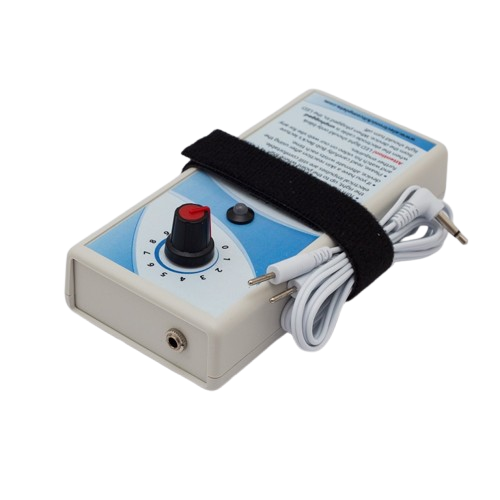
For contact-style systems, including some devices used in the Bob Beck world, correct placement is often more about consistent skin contact and proper protocol use than chasing a specific anatomy chart. In those cases, the user should follow the device instructions exactly instead of improvising with alternate body sites just because they seem easier.
This is where disciplined reading helps. If a manufacturer or protocol guide specifies wrist electrodes, ankle contacts, ear clips, or another dedicated configuration, treat that as part of the method rather than a suggestion. Electrotherapy is one of those categories where small deviations can change the experience quite a bit.
Common placement mistakes that cause poor sessions
The most common mistake is placing electrodes on irritated, broken, or overly sensitive skin. Even if the area seems technically reachable, poor skin condition can make the session uncomfortable and increase the chance of redness afterward.
Another frequent issue is uneven adhesion. One edge of a pad lifts, or one contact has stronger pressure than the other, and suddenly the current no longer feels balanced. Users often respond by increasing intensity, which usually makes the underlying problem worse.
Bad spacing is also common. Electrodes set too close together can create a sharp or concentrated sensation. Set too far apart, and the effect may feel diffuse or misplaced. It depends on the device, but random spacing rarely gives the best result.
Then there is the problem of chasing sensation. Stronger feeling does not automatically mean better placement. In fact, a comfortable, stable session is often a sign that the setup is more correct than a dramatic one. If you are repeatedly getting stinging, pulsing at one edge, or sudden changes when you move slightly, that usually points to a contact issue, not a need for more power.
Practical tips for better electrode placement at home
A good home setup is simple and repeatable. If you find a placement that matches the device instructions and feels stable, make note of it. Some users even take a private reference photo or jot down measurements so they can recreate the same positioning later.
Trim excess body hair only if necessary for contact. You do not need to overdo this, but heavy hair can reduce pad adhesion and create inconsistent contact points. Likewise, avoid placing electrodes over jewelry or near anything metallic that could interfere with setup.
Use enough pressure for full contact, but do not strap or press electrodes so tightly that you create discomfort before the session even begins. Secure placement should feel stable, not restrictive. If your device uses bands or straps, a snug fit is usually better than an aggressive one.
It also helps to test placement at the lowest effective setting first. That gives you a chance to notice uneven sensation before committing to a full session. If something feels off, stop and adjust placement rather than trying to push through it.
When “correct” placement depends on the device
This is the part many articles skip. Correct placement is not one-size-fits-all, and pretending otherwise does not help beginners. TENS-style pads, microcurrent tools, contact electrodes, and protocol-specific blood electrification accessories can all have different placement logic.
So if you are researching how to set electrode placement correctly, always prioritize the instructions for your exact device over generic diagrams from unrelated products. A broad electrotherapy rule may be useful as a starting point, but the intended design of the device should win.
That matters even more in niche alternative wellness categories, where product design and protocol traditions may not resemble mainstream physical therapy equipment. Blood Electrification Device content often emphasizes this because many users come in after reading advice that mixes several different technologies together. That is one of the fastest ways to end up confused.
Safety habits that should always come first
Do not place electrodes over broken skin, active rashes, or areas with unusual numbness unless your device guidance specifically addresses that situation. Avoid improvising around the front of the neck, directly over the eyes, or across sensitive areas not intended by the instructions.
If you have a pacemaker, implanted electronic device, seizure history, heart rhythm concerns, or any serious medical condition, get qualified guidance before use. The same goes for pregnancy or any situation where electrical stimulation may not be appropriate. Alternative wellness tools still require common-sense screening.
And if a placement repeatedly causes burning, pronounced skin irritation, or sharp discomfort, stop using that setup. Correct electrode placement should feel controlled and tolerable. Discomfort is information, not something to ignore.
The best approach is not chasing the most intense session. It is building a consistent, safe routine you can trust. When placement is clean, stable, and matched to the device, everything else gets easier – your sessions feel more predictable, your troubleshooting gets simpler, and your confidence grows with every use.