How to Use Blood Electrification Device Safely
If you have spent any time reading about the Bob Beck approach, you have probably noticed the same problem everyone runs into: plenty of claims, plenty of opinions, and not nearly enough clear instruction. When people search for how to use blood electrification device tools at home, what they usually want is not theory. They want a safe, practical starting point that makes the process feel manageable.
That is exactly where a simple framework helps. Blood electrification devices are generally used as part of an alternative wellness routine, and most beginners do better when they focus on consistency, correct setup, and cautious observation rather than trying to do too much too soon. The goal is to understand the device, use it as directed, and pay attention to how your body responds.
How to use blood electrification device at home
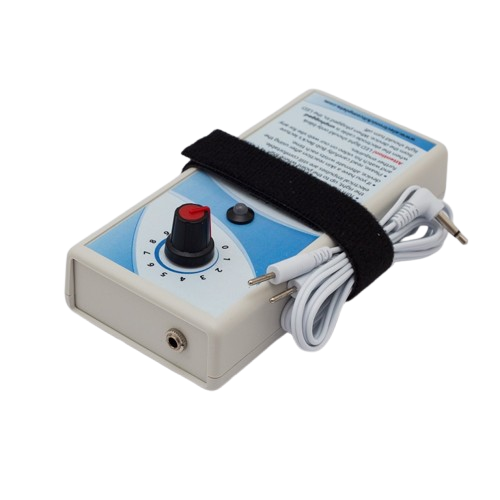
The first thing to understand is that blood electrification devices are typically designed to send a gentle electrical signal through electrodes placed at the wrist area. In the Bob Beck method, this is often done with a small pulse generator and wrist electrodes worn for a set period. Different manufacturers may vary in electrode style, timing recommendations, and output settings, so the printed instructions that come with your specific device should always be your main reference.
For most users, the basic process looks similar. You prepare the device, attach the electrodes correctly, confirm the unit is operating properly, and use it for the recommended session length. What matters most is getting the basics right. A high-quality session with proper placement is better than guessing your way through a longer one.
Before your first use, inspect the device carefully. Make sure wires are intact, connectors fit securely, and the electrodes are clean. If your unit uses batteries, confirm they are fresh or fully charged. Weak power can lead to inconsistent output, and that creates confusion because users may think the device is not working or may over-adjust settings.
Start with the manufacturer instructions
This sounds obvious, but it is the step people skip most often. Some blood electrification devices are preconfigured, while others allow limited adjustment. Session length, electrode orientation, and cleaning instructions may differ slightly from one unit to another.
If your device comes with wrist bands, metal contacts, or conductive pads, follow the order shown in the manual. Do not improvise placement just because a forum post suggests a shortcut. In this niche, small details matter more than people think.
Prepare your skin and electrode area
Clean skin helps improve contact. In most cases, lightly washing the wrist area and drying it well is enough. If the skin is oily, heavily lotioned, or dirty, conductivity may be reduced and the contact may feel uneven.
The electrodes should sit where the device instructions specify, usually on the wrists. They should feel secure but not painfully tight. Too loose, and the signal may be inconsistent. Too tight, and you may create unnecessary discomfort or skin irritation.
Step-by-step use for beginners
Once the device is assembled and your skin is prepared, sit down somewhere comfortable. This is not the kind of tool you want to rush through while moving around the house. A calm, seated setup makes it easier to notice whether everything feels normal.
Attach the electrodes according to the manual. Turn the unit on only after everything is connected properly, unless your device instructions say otherwise. Some devices have indicator lights or a display that confirms operation. Check that before beginning the session.
For your first few sessions, take a conservative approach. Use the recommended beginner timing from the manufacturer, not the longest timing you have heard about online. Many experienced users in alternative wellness circles like to experiment, but beginners benefit from staying close to the standard protocol first.
During the session, you may or may not feel much. Some people notice a mild sensation, while others feel almost nothing. Lack of a strong sensation does not automatically mean the device is failing. What you want is stable operation and proper contact, not an intense feeling.
When the session ends, turn off the device before removing the electrodes if your instructions advise that sequence. Then clean the electrode surfaces and store the unit in a dry place. Good maintenance makes future sessions more reliable and helps the device last longer.
How long should you use it?
This depends on the device and protocol. Many users associate blood electrification with one or more scheduled sessions per day, but there is no universal rule that applies to every unit. Product-specific guidance matters.
A practical beginner mindset is to think in terms of routine rather than intensity. Using the device correctly and consistently is usually more useful than extending session time beyond what the instructions recommend. If a protocol feels confusing, simpler is often better at the start.
What should you feel afterward?
Experiences vary. Some users report feeling no immediate change, while others describe temporary fatigue, mild stimulation, or subtle shifts in how they feel over the next several hours. This is one reason it helps to keep a simple usage journal. Write down the date, session length, and anything you notice.
That kind of tracking helps you separate real patterns from guesswork. It also helps if you later decide to adjust session timing within the limits of the device guidance.
Safety tips when learning how to use blood electrification device tools
This category attracts independent-minded users, which is part of its appeal. But independent use should still be careful use. A blood electrification device is not something to treat like a casual gadget.
Do not use a damaged unit. Do not use frayed wires, corroded connectors, or cracked electrode components. If skin becomes irritated where the electrodes sit, stop and address the cause before using it again. Sometimes the issue is poor cleaning, overly tight placement, or sensitivity to the contact material.
People with implanted electrical devices, such as pacemakers, should avoid use unless they have qualified medical clearance. The same goes for people with serious heart rhythm concerns or other conditions where electrical stimulation may present added risk. Pregnant users should also avoid experimenting without professional guidance.
If you feel pain, dizziness, or anything that seems distinctly wrong during a session, stop immediately. Alternative wellness tools are best approached with curiosity and caution, not force. More is not always better.
Common beginner mistakes
One common mistake is assuming every device works the same way. Another is trying to combine too many new wellness tools at once. If you begin blood electrification while also changing supplements, diet, sleep habits, and other electrotherapy devices, it becomes hard to tell what is doing what.
Another issue is inconsistent use. Some people try it once, change the timing the next day, then skip three days and restart with a different setup. That usually leads to confusion. If you want useful feedback from your own experience, keep the process steady.
Getting better results from your routine
The people who usually feel most confident with these devices are not the ones chasing dramatic effects. They are the ones who build a routine they can actually follow. That means using the device at about the same time each day, storing it properly, and staying realistic about what a home wellness tool can and cannot do.
Hydration, clean electrodes, and good session habits may all make the experience smoother. So does patience. In a niche like this, expectations can get inflated fast, especially when readers move from user forums to sales pages to old protocol discussions. A better approach is to stay grounded. Use the device properly, observe your response, and make changes slowly.
If you are using a broader Bob Beck-style setup with other tools, add pieces carefully rather than all at once. That gives you a cleaner sense of how each part fits into your personal routine. For many beginners, that is the difference between feeling overwhelmed and feeling informed.
Sites like Blood Electrification Device exist because scattered information has made this category harder than it needs to be. Clear instruction matters here. When you treat setup, timing, and safety as the foundation, the whole process becomes far less intimidating.
A good place to start is not with bold expectations. It is with one careful session, one clear routine, and enough patience to learn what your own experience is actually telling you.