Bob Beck Protocol Explained Clearly
You have probably seen the Bob Beck Protocol described in fragments – one forum talks about blood electrification, another mentions colloidal silver, and somewhere else people insist you need all four parts for it to count. That patchwork is exactly why a clear bob beck protocol explained article matters. If you are curious but not ready to sort through years of mixed claims, here is the practical version.
What the Bob Beck Protocol actually is
The Bob Beck Protocol is a four-part alternative wellness system associated with Robert C. Beck. Rather than being a single device or one treatment session, it is usually presented as a combination approach. The classic version includes blood electrification, magnetic pulsing, silver solution use, and ozonated water.
What confuses many beginners is that people use the term loosely. Some mean only the blood electrifier. Others mean a complete kit with all four components. So when someone says they are “doing the Beck protocol,” the first question is what they are actually using.
At its core, the protocol is built around the idea that electrical and related supportive methods may help create a less favorable internal environment for unwanted microorganisms and may support general wellness. Those claims sit outside mainstream medicine, so it makes sense to approach the subject with curiosity and caution at the same time.
Bob Beck protocol explained by its 4 parts
To understand the protocol, it helps to separate the components instead of treating it like one mysterious system.
1. Blood electrification
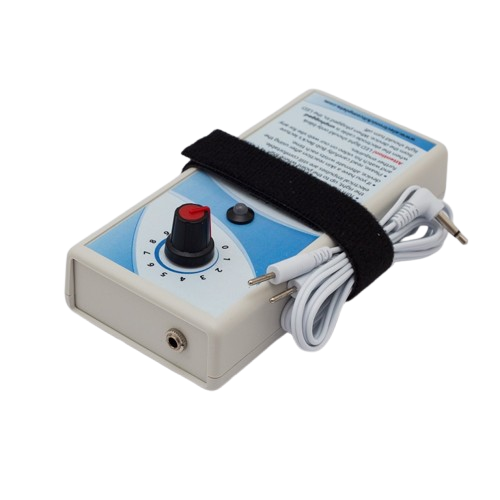
This is the best-known part. A blood electrification device sends a very low-level electrical signal through electrodes typically placed over the radial and ulnar arteries at the wrists. The goal is not a strong sensation. In most cases, users describe it as mild tingling or almost nothing at all when the settings are correct.
This step is often treated as the centerpiece of the protocol because it is the part most directly associated with Bob Beck’s name in the alternative wellness space. Many people who buy a device start here even if they never use the full four-part system.
2. Magnetic pulsing
Magnetic pulsing uses a handheld coil or similar device to apply pulsed magnetic fields over parts of the body. Users commonly apply it near areas like the sinuses, spine, joints, or local discomfort points depending on the instructions that come with the unit.
The thinking behind this part is different from blood electrification. It is generally discussed as a supportive method for circulation, recovery, or localized wellness applications. Whether it belongs in every beginner’s routine depends on goals, budget, and comfort level with using multiple devices.
3. Silver solution
The protocol traditionally includes a silver-making unit used to create a colloidal or ionic silver solution. This is one of the more controversial parts because preparation quality, concentration, purity, and usage practices vary widely.
For many readers, this is also the part that raises the most safety questions. If someone is researching the protocol mainly for device-based electrotherapy, they may not be comfortable with this component at all. That is a valid hesitation, not a sign that they are missing something obvious.
4. Ozonated water
The fourth piece is ozonated water, usually made with an ozone generator setup. In protocol discussions, this is positioned as another supportive wellness tool.
Like the silver component, this is not the part most beginners understand first. It adds complexity, extra equipment, and more room for misuse if instructions are poor. That is one reason many people start by learning the electrical side of the protocol before deciding whether the full system makes sense for them.
Do you need all four parts?
Not always. This is where expectations need to be realistic.
Some users believe the true Bob Beck Protocol requires all four original elements. Others use the phrase more casually to refer only to blood electrification and magnetic pulsing. In practice, plenty of people begin with one device because it is more affordable, easier to learn, and less intimidating.
That does not mean the full protocol is wrong or right. It means the category is not as standardized as newcomers expect. If your goal is to understand what you are buying, it helps to look at each component on its own rather than assume every kit includes the same quality, instructions, or intended use.
How people typically use the protocol
Most home users follow a device-specific schedule provided by the manufacturer or seller. Blood electrification sessions are often done regularly, magnetic pulsing may be used in separate sessions, and the other components follow their own timing and preparation steps.
The key point is that this is not a “more is better” type of category. With electrotherapy tools, beginners often think stronger current or longer sessions will produce faster results. That is not a smart assumption. These devices are usually designed around low-intensity, consistent use, not aggressive use.
If you are comparing kits, clear instructions matter as much as the hardware. A simple device with reliable guidance is often better for a first-time user than a larger bundle with vague directions.
Safety basics beginners should know
Any honest bob beck protocol explained guide needs to slow down here, because safety is where bad information does the most damage.
Blood electrification and related electrotherapy devices are not appropriate for everyone. People with pacemakers, implanted electronic devices, seizure disorders, pregnancy concerns, significant heart conditions, or other complex medical issues should not guess their way through use. If you have a medical condition or take medications, get personalized medical advice before trying any part of the protocol.
Skin irritation can happen where electrodes touch the wrists. Poor electrode contact, overly long sessions, and incorrect settings can make that more likely. Magnetic pulsing devices also require careful handling and should be used according to instructions.
The silver and ozone parts deserve even more caution because preparation methods and dosing discussions online are inconsistent. If a seller glosses over safety, that is not a minor red flag. It is a reason to slow down.
What results do users expect?
This depends heavily on why they are interested in the protocol in the first place. Some people are looking for general wellness support. Others are exploring options related to energy, recovery, chronic discomfort, or long-term health frustrations.
That range matters because expectations can get distorted fast. The protocol is often discussed in communities where personal testimony carries more weight than controlled evidence. Testimonials can be useful for understanding user experience, but they are not the same as proof. A balanced view is to treat them as anecdotal, not guaranteed.
If you do try a device, track practical things like comfort, ease of use, consistency, and any changes you notice over time. That is more useful than chasing dramatic claims.
How to evaluate a Bob Beck kit before buying
If you are in the research stage, focus less on hype and more on clarity. A good kit should explain what each device does, who should avoid it, how to use it, and what is included. If product education feels vague, the problem is not your lack of technical knowledge.
Look closely at whether you are buying only a blood electrifier or a true multi-part package. Those are very different purchases. Also check whether accessories are included, whether usage instructions are beginner-friendly, and whether the seller actually educates rather than just promotes.
That is one reason sites like bloodelectrificationdevice.com appeal to this audience. People are not just buying hardware. They are trying to understand a niche that is often poorly explained.
The biggest misconception about the protocol
The biggest misconception is that the Bob Beck Protocol is a single machine with a universal routine. It is really a framework made up of several distinct methods, and users adopt it at different levels.
For some people, that flexibility is a benefit. For others, it becomes confusing because they assume there is one official version everyone follows. There really is not, at least not in the way newcomers usually expect.
That is why the smartest first step is not asking, “What is the best protocol?” It is asking, “Which part am I actually interested in, and do I understand how to use it safely?”
If you start there, the subject becomes much less overwhelming. And when a wellness category gets simpler, you are far less likely to make decisions based on noise instead of understanding.