Bob Beck vs Rife: What’s the Real Difference?
If you have been comparing bob beck vs rife, you have probably noticed how fast the conversation gets messy. One person says they are basically the same thing. Another says one is outdated and the other is more advanced. Then you run into forums where people mix protocols, devices, and claims until it is hard to tell what anyone is actually talking about.
The simplest way to clear that up is this: Bob Beck and Rife are not the same system, even though both sit in the broader world of frequency-based wellness devices. They come from different ideas, use different types of equipment, and are usually approached in very different ways at home. If you are trying to decide which path makes more sense for your goals, the key is not asking which one is better in the abstract. It is asking what each one is designed to do, how complicated it is to use, and what level of experimentation you are realistically comfortable with.
Bob Beck vs Rife: The Core Difference
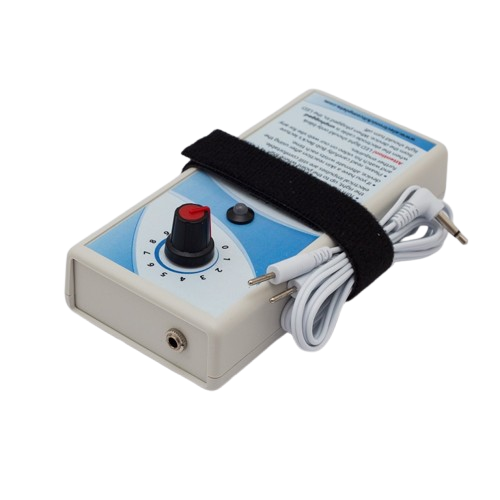
Bob Beck devices are usually associated with a specific protocol made up of several tools, with blood electrification being the most recognized piece. In practical terms, this means a small device delivers a low-level electrical signal through electrodes commonly placed on the wrists. The Beck approach is fairly structured. People often look at it as a system with a repeatable routine rather than an open-ended technology platform.
Rife devices come from a different tradition. Instead of focusing on one tightly defined protocol, they are generally built around the idea of using frequencies, often with a much wider range of settings. Depending on the machine, that can mean contact pads, handholds, plasma tubes, or other delivery methods. The Rife category is also much broader, which is one reason comparisons get confusing fast. Two people can say they use a Rife machine and be talking about devices that work very differently from each other.
That difference matters. Bob Beck is usually easier to understand because the framework is narrower. Rife often appeals to people who want more control, more customization, and more room to experiment, but that flexibility can also make it harder for beginners.
How the Bob Beck approach works
The Bob Beck Protocol is often discussed as a four-part wellness system: blood electrification, magnetic pulsing, colloidal silver, and ozonated water. Not everyone uses every part, but the blood electrification device is the piece most people mean when they talk about a Beck machine.
The setup is usually straightforward. You place moistened electrodes on the wrists and run the unit for a set amount of time according to the device instructions. For many users, the biggest appeal is that the process feels structured and manageable. There is less menu-diving, less frequency hunting, and less guesswork.
That does not mean it is simplistic. It just means the user experience is usually more contained. For people who are curious about electrotherapy but do not want to spend weeks learning software, waveform libraries, or frequency databases, Beck-style equipment can feel much more approachable.
How Rife devices work
Rife machines are usually described in terms of frequencies selected for specific wellness goals. Some devices come with preset programs. Others allow extensive manual control. Some are basic and contact-based, while others are more expensive and marketed as more advanced systems.
This is where Rife can become attractive to serious experimenters. If you like adjusting settings, testing programs, and exploring a long list of possible applications, Rife systems may feel more versatile. But versatility has a trade-off. The learning curve is steeper, the device category is less standardized, and the quality gap between brands can be wide.
A beginner often assumes that more settings means a better device. Not always. Sometimes it just means more opportunities to get overwhelmed or use a machine inconsistently.
Bob Beck vs Rife for beginners
If your main goal is to start with something you can understand and use consistently, Bob Beck usually has the edge. The method is easier to explain, the routine is usually simpler, and the device itself tends to have fewer moving parts from the user’s point of view.
Rife may still be the better fit if you already know you want a frequency-centered system and you do not mind a more technical process. Some users enjoy that depth. They want to tinker. They want program options. They want a platform they can grow into.
But many first-time buyers overestimate how much complexity they actually want in daily use. A device can sound exciting during research and then sit in a drawer because it takes too much effort to set up or understand. In the at-home wellness world, simplicity often leads to better follow-through.
Safety and responsible use
This is one area where people should slow down, especially when comparing bob beck vs rife. Neither category should be treated casually just because they are sold for home use. You are still dealing with electrical or frequency-based devices, and that means instructions matter.
With Beck-style devices, users should pay close attention to electrode placement, session timing, hydration, and the manufacturer’s safety guidance. With Rife devices, the need for caution can be even greater because the category includes a wider range of outputs, settings, and delivery systems.
People with implanted electronic devices, seizure disorders, pregnancy concerns, or other significant medical considerations should be especially careful and talk with a qualified healthcare professional before using electrotherapy products. Skin sensitivity, overstimulation, or discomfort can also happen, especially if someone uses a device too aggressively or ignores setup guidance.
A good rule is simple: more is not automatically better. Longer sessions, stronger settings, or stacking multiple tools too quickly can create a poor experience. Start conservatively and stay consistent rather than trying to force results.
Cost, complexity, and what you are really buying
Price is another place where the comparison can get distorted. A Beck device is often part of a more defined protocol purchase. You are typically buying into a method. Rife purchases can range from modest entry-level units to high-ticket systems with lots of features and bold marketing language.
That means the better question is not just, “How much does it cost?” It is, “What kind of user experience am I paying for?”
With Bob Beck equipment, you are often paying for clarity, routine, and a focused use case. With Rife, you may be paying for flexibility, programmability, and a broader experimental range. Neither is automatically the smarter buy. It depends on whether you value structure or customization.
For many readers, the hidden cost is time. If a device takes hours of research to use confidently, that is part of the price too.
Which one fits your goals?
If you want a more guided path into electrotherapy, Bob Beck may make more sense. It tends to suit people who want a practical starting point, a defined protocol, and a device they can learn without a major technical investment.
If you are specifically interested in frequency experimentation and you are comfortable navigating a more complicated device category, Rife may be more appealing. It often attracts users who enjoy testing, adjusting, and building a more personalized routine.
There is also a middle ground that rarely gets mentioned. Some people begin with Beck-style devices because they are easier to adopt consistently, then explore broader frequency tools later if they still want more options. That progression often makes more sense than starting with the most complex system available.
At Blood Electrification Device, that is the practical lens we find most helpful: choose the tool you are actually likely to understand, use safely, and stick with. A simpler system used correctly tends to beat an advanced system that never becomes part of your real routine.
The real decision in Bob Beck vs Rife
The real choice is not between two competing buzzwords. It is between two different approaches to at-home bioelectric wellness. Bob Beck is generally more structured, more beginner-friendly, and more protocol-driven. Rife is generally broader, more customizable, and more demanding from the user.
That means your best option depends less on hype and more on temperament. If you want clarity, repeatability, and a lower learning curve, Beck-style equipment often feels like the more grounded starting point. If you want a larger sandbox and do not mind the extra complexity, Rife may be worth the deeper learning process.
A good device should make you feel informed, not intimidated. If your research leaves you more confused than confident, that is usually a sign to step back and choose the path that brings more clarity, not more noise.