Blood Electrification vs Rife Therapy
If you have been comparing blood electrification vs rife therapy, you have probably noticed the same problem most beginners run into: everyone seems certain, but few sources explain the difference in plain English. That gets frustrating fast, especially when both methods are discussed in the same alternative wellness circles but are not actually the same thing.
The easiest way to think about it is this: blood electrification is usually described as a direct-contact electrotherapy method associated with the Bob Beck Protocol, while rife therapy is typically described as a frequency-based approach that aims to expose the body to specific electromagnetic or electrical frequencies. People often mention them together because both sit inside the broader world of bioelectric wellness tools. But the devices, the theory behind them, and the way users approach them can be very different.
Blood electrification vs rife therapy: the basic difference
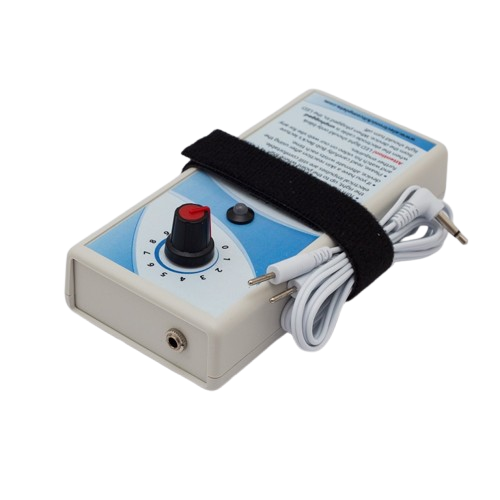
Blood electrification is generally associated with low-level electrical current applied through electrodes, often worn at the wrists. In Bob Beck-style use, the idea is not that the user must identify a unique frequency for every condition. Instead, the method is usually presented as a standardized protocol with a defined device style, a set usage pattern, and a broader wellness framework that may include companion tools.
Rife therapy, by contrast, is usually presented as a frequency-selection model. Users often choose from preset programs or manually selected frequencies based on the issue they want to address. Depending on the system, the device may use contact electrodes, plasma tubes, pads, hand cylinders, or other delivery methods. That means the user experience can vary a lot from one rife setup to another.
This difference matters because many people assume these two options are interchangeable. They are not. One is usually approached as a specific protocol-driven electrotherapy method, while the other is often approached as a customizable frequency platform.
How blood electrification is usually understood
Blood electrification is most commonly discussed through the Bob Beck lens. In that context, the device sends a mild electrical signal through electrodes placed on the skin, often over the wrist area where blood vessels are close to the surface. Supporters describe this as a simple, repeatable at-home practice rather than a highly technical frequency-matching system.
For beginners, that simplicity is often the main appeal. You do not usually need to sort through large frequency databases or wonder whether you picked the right setting for a long list of symptoms. The learning curve tends to be lower, especially for people who want a device that fits into a routine without much experimentation.
That said, simplicity can also be a limitation depending on what the user wants. Someone who prefers a more programmable tool may see blood electrification as too narrow. Someone who values structure and consistency may see that same narrow focus as a benefit.
How rife therapy is usually understood
Rife therapy tends to attract people who want options. Many rife devices are built around the idea that different frequencies may be used for different goals. Some users appreciate the ability to run targeted sessions, switch programs, and test different approaches over time.
That flexibility is a major reason rife systems have such a strong following. But it also creates more room for confusion. Two people can say they use rife therapy and mean very different things, because device quality, delivery method, output style, and software can vary widely.
For a beginner, that can be both exciting and overwhelming. More settings do not always mean better results for every user. Sometimes they just mean more decisions, more conflicting advice, and more time spent learning before you feel comfortable using the device.
Why people compare them in the first place
The comparison happens because both methods appeal to a similar kind of user. These are often people looking for non-mainstream wellness tools, more personal control, and something they can use at home. They are also often researching chronic discomfort, immune support, recovery, or general wellness maintenance.
From the outside, blood electrification and rife therapy can look like two versions of the same idea: a machine that uses electricity or frequency in support of wellness. But once you look closer, the practical questions become different. With blood electrification, people usually ask how to use it, how often to use it, and whether they should build a fuller Bob Beck-style protocol. With rife therapy, people usually ask which machine to buy, which frequencies to run, and how to make sense of large program libraries.
That difference in user behavior tells you a lot. Blood electrification is often chosen by people who want a specific protocol. Rife is often chosen by people who want a broader experimental platform.
Which is easier for beginners?
For most beginners, blood electrification is easier to understand and use. The method is more standardized, the device category is narrower, and the setup is usually less intimidating. If your main goal is to start with a straightforward at-home electrotherapy routine, blood electrification often feels more approachable.
Rife therapy usually asks more from the user. You may need to compare machine types, learn terminology, sort through settings, and decide how much customization you actually want. For some people, that is part of the appeal. For others, it becomes a barrier that delays action.
This is one of those areas where personality matters. If you like simple protocols, blood electrification may fit better. If you enjoy tinkering, testing, and having more control over session design, rife therapy may feel more aligned with how you think.
Safety and responsibility matter with both
Neither method should be treated casually just because it is discussed in wellness communities. Devices that deliver electrical current or frequency exposure should be used carefully, according to instructions, and with a clear understanding of contraindications.
People with implanted electrical devices, seizure disorders, pregnancy, or other medical concerns should be especially cautious and seek qualified medical guidance before use. Skin sensitivity, overuse, poor electrode placement, and unrealistic expectations are also common issues in this space.
One practical advantage of a simpler protocol is that there is often less room for user error. That does not make blood electrification risk-free. It just means the path from setup to use is often more defined. With rife therapy, the wider range of machine styles and settings can increase the need for careful learning.
Cost, complexity, and what you are really buying
When comparing these two categories, it helps to ask a simple question: are you buying a tool, or are you buying a system?
Blood electrification is often purchased as part of a broader protocol mindset. Some users start with the core device and later add related tools such as magnetic pulsing or ozonated water support, depending on the framework they are following. The value is often in the structure of the method.
Rife therapy is often purchased as a more open-ended device investment. You may be paying for programmability, a wider range of applications, and more customization. If you are the type of user who wants one machine that can do many things, that can feel worthwhile. If you only want a simple, repeatable daily routine, it may be more than you need.
This is where many buyers get tripped up. They assume more features automatically mean more value. Sometimes they do. Sometimes they just create more friction between purchase and actual use.
Blood electrification vs rife therapy for home use
For home use, the better choice often comes down to your tolerance for complexity. Blood electrification tends to suit people who want a defined method they can learn quickly and stick with consistently. Rife therapy tends to suit people who are comfortable researching settings, comparing models, and managing a more customizable device.
Consistency matters more than many people realize. A simpler device that you understand and use correctly may be a better fit than a more advanced system that sits on a shelf because it feels confusing. That is not a knock on rife therapy. It is just a reminder that the best wellness tool is often the one you can use with confidence and discipline.
If you are specifically drawn to the Bob Beck Protocol, blood electrification usually makes more sense as a starting point because it fits into that protocol directly. If your interest is broader and you want a frequency-centered machine you can experiment with over time, rife therapy may make more sense.
How to choose without getting overwhelmed
Start with your actual goal, not the marketing language. If you want a beginner-friendly, protocol-based introduction to electrotherapy, blood electrification is often the clearer path. If you want a more customizable frequency device and do not mind a steeper learning curve, rife therapy may be worth exploring.
It also helps to be honest about how you make decisions. Some people do best with structure. Others do best with flexibility. There is no universal winner here, and that is why this comparison keeps coming up.
At Blood Electrification Device, we have seen that many people are not really looking for the most advanced option. They are looking for the option they can understand, trust, and use responsibly at home. That is a much better standard to shop by than hype.
The clearest path is usually the one that matches your comfort level, your learning style, and your willingness to use a device consistently and carefully.