8 Best Wellness Tools for Recovery
Recovery usually gets treated like an afterthought until your sleep is off, your muscles stay sore too long, or your energy never quite comes back. That is why people start looking for the best wellness tools for recovery – not because they want more gadgets, but because they want something that actually helps them feel functional again.
The tricky part is that “recovery” can mean very different things. For one person, it is post-workout soreness. For another, it is nervous system overload, poor sleep, chronic tension, or the feeling that the body is always working harder than it should. The right tool depends on what kind of recovery problem you are trying to solve.
What makes the best wellness tools for recovery worth using?
A useful recovery tool should do one of three things well. It should help the body rest more deeply, support circulation or tissue comfort, or reduce the friction that keeps you from being consistent. If a tool is complicated, uncomfortable, or hard to fit into your routine, even a promising one tends to collect dust.
That is also where expectations matter. No wellness device should be treated as a cure-all. Some tools are best for physical recovery, some are better for sleep or stress regulation, and some work best as part of a broader protocol. The smartest approach is usually stacking a few simple tools that serve different purposes rather than chasing one miracle device.
1. Red light therapy for muscle comfort and tissue support
Red light therapy has become one of the more mainstream recovery options, and for good reason. It is noninvasive, easy to use at home, and often chosen by people who want support for sore muscles, joint stiffness, and exercise recovery. Many users also like it because sessions are passive. You sit or stand in front of the panel and let the treatment happen.
The main trade-off is that device quality and treatment consistency matter. A weak panel or irregular use may not give you much to notice. It also tends to work best over time rather than as a one-session fix. If you want something dramatic overnight, red light can feel subtle. If you value a steady, repeatable tool, it makes more sense.
2. PEMF devices for circulation and whole-body recovery routines
PEMF, or pulsed electromagnetic field therapy, is popular with people who want broader support for recovery, comfort, and relaxation. Depending on the device, PEMF may be used locally on a specific area or as a full-body mat session. Many users report that it helps them wind down, especially when stress and physical tension are feeding each other.
This category can be confusing because settings, frequencies, and marketing claims vary widely. Some devices are straightforward and beginner-friendly. Others expect the user to understand protocols that are not always explained clearly. If you are new to device-based wellness, simplicity matters more than having dozens of program options you may never use.
3. Blood electrification devices in niche recovery protocols
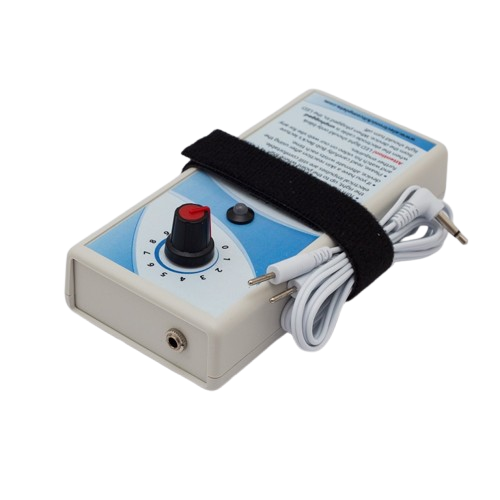
For readers already researching bioelectric wellness, blood electrification devices often come up as part of the Bob Beck Protocol and related at-home routines. These devices are not typical recovery tools in the same way a massage gun or heating pad is. They appeal more to people who want an alternative wellness approach centered on low-level electrotherapy and structured protocol use.
What makes them relevant in a recovery conversation is that many users are not just trying to bounce back from a hard workout. They are looking for tools that fit a broader wellness strategy around energy, resilience, and self-directed care. The key here is education. Blood electrification is a specialized category, and it works best when users understand proper setup, timing, and safety considerations instead of guessing.
This is also a category where skepticism is normal and healthy. If you are considering one, focus less on hype and more on whether the device comes with clear instructions, realistic explanations, and guidance on how it fits with related tools.
4. Infrared sauna for deeper relaxation and heat-based recovery
Heat changes the recovery equation for a lot of people. An infrared sauna can be especially helpful if your body tends to feel tight, cold, stiff, or wound up. Many people use it for post-exercise relaxation, but just as many use it because heat helps them mentally shift out of stress mode.
The downside is access, cost, and tolerance. Not everyone has space for a home sauna, and not everyone feels better with heat exposure. If you are already depleted, dehydrated, or sensitive to heat, sauna sessions can backfire. Used thoughtfully, though, it can be one of the more satisfying ways to support both body comfort and nervous system recovery.
5. Massage guns for quick, targeted muscle relief
Massage guns are popular because they give immediate feedback. You use one on a tight area, and you can feel the effect right away. That makes them appealing for people who want fast relief after workouts, long workdays, or repetitive strain.
Still, they are often overused. More pressure is not always better, and aggressive use on irritated tissue can leave you feeling worse. They are best for short, targeted sessions rather than trying to pound every sore spot into submission. For general recovery, a massage gun is useful, but it is rarely enough on its own if your larger issue is poor sleep, stress, or systemic fatigue.
6. TENS and microcurrent devices for discomfort management
TENS units and microcurrent devices sit closer to the electrotherapy side of recovery. They are often used by people dealing with soreness, recurring discomfort, or tension patterns that need more than stretching. For some users, these devices become part of a regular self-care routine because they offer a direct, localized option that does not rely on medication.
The important distinction is that not all current-based devices do the same thing. TENS, microcurrent, and blood electrification devices serve different purposes and use different applications. If you lump them all together, you are likely to buy the wrong tool. The best results usually come from matching the device type to the problem instead of assuming all electrotherapy is interchangeable.
7. Compression boots for leg fatigue and post-activity recovery
If your main issue is heavy, tired legs, compression boots can be surprisingly effective. They are commonly used by runners, cyclists, and people who spend long hours standing. The sensation is rhythmic and calming, which means some people use them as much for relaxation as for physical recovery.
Their limitation is obvious: they are mostly for the lower body. If your recovery challenges are more general, they may feel too narrow in function for the price. But if leg fatigue is your bottleneck, they can earn their place quickly.
8. Sleep-focused tools that support real recovery
A lot of people keep shopping for recovery tools when the real issue is that they are not recovering overnight. Sleep is where many repair processes happen, so tools that improve sleep quality often outperform trendier devices in the long run. That might mean a weighted blanket, a sleep mask, a sound machine, or a wearable that helps you identify patterns.
These are less exciting than advanced devices, but they often produce the biggest return. If your nervous system never fully settles, every other recovery tool has to work harder. Better sleep hygiene is not flashy, but it is often the thing that makes the rest of your routine finally click.
How to choose the best wellness tools for recovery for your situation
Start with your bottleneck. If you mostly deal with muscle soreness, red light, massage, or compression may help most. If stress and overstimulation are part of the picture, PEMF, sauna, or sleep-support tools may be more valuable. If you are specifically drawn to alternative electrotherapy methods, then it makes sense to look at niche tools with a strong emphasis on safety, instructions, and proper protocol design.
It also helps to think in terms of effort. Some tools are effective because they are easy to repeat. A device that gives you a modest benefit five times a week may be more useful than a stronger tool you only use once every two weeks. Consistency usually beats intensity in recovery routines.
Price matters too, but not in the way people think. The cheapest option is not always the best value, and the most expensive one is not always more effective. What you want is the tool that matches your actual use case and that you can use correctly without confusion.
A smarter recovery setup is usually simple
Most people do not need a room full of equipment. A better approach is to build around one primary tool and one or two support tools. For example, someone might use red light for muscle comfort, a sleep tool for nighttime recovery, and a specialized electrotherapy device as part of a broader wellness protocol. That kind of setup is more realistic than trying to buy every trending product at once.
If you are exploring this space through a site like Blood Electrification Device, you are probably not looking for generic wellness advice. You are looking for clarity in a category where the details matter. That is the right mindset. Recovery tools are most useful when they are chosen carefully, used consistently, and understood well enough that you know what they are doing in your routine.
The best recovery tool is not the one with the loudest marketing. It is the one that makes your body easier to live in, day after day.