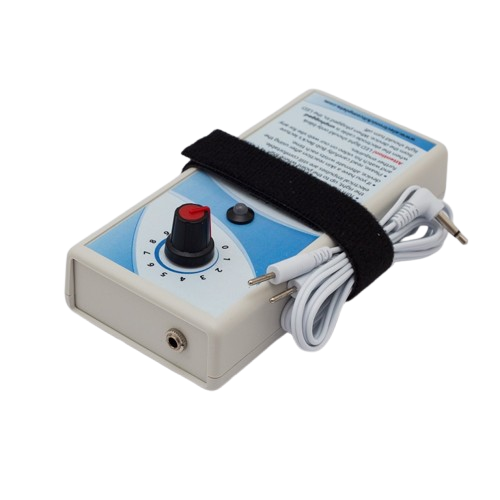
Blood Electrification Device Review
If you have spent any time researching the Bob Beck Protocol, you have probably noticed a pattern. One seller says every device is basically the same. Another promises dramatic results with almost no explanation. A proper blood electrification device review should do something more useful – help you understand what you are actually buying, what affects the experience, and where caution matters.
This category attracts people who want more control over their wellness routine, but it also comes with confusion. The devices are niche, the terminology is inconsistent, and many pages skip over practical questions like comfort, build quality, protocol support, and whether a full kit makes more sense than a standalone unit. That is where a grounded review becomes valuable.
What a blood electrification device is meant to do
A blood electrification device is generally designed to deliver a low-level pulsed electrical signal through electrodes placed on the skin, commonly at the wrists. Within the Bob Beck framework, the idea is to expose circulating blood to a specific electrical frequency and current pattern over timed sessions. Supporters view it as part of a broader home wellness protocol rather than a one-step solution.
That last point matters. Many first-time buyers assume the device itself is the entire system. In practice, people often look at it alongside related tools such as magnetic pulsers, colloidal silver generators, or water ozonation equipment, depending on how closely they want to follow a full Beck-style setup. If you only review the device in isolation, you miss how many buyers actually make their decision.
Blood electrification device review criteria that actually matter
The most useful way to review these units is not by hype or appearance alone. It is by looking at how the device performs in real-world home use.
Signal consistency and current control
At the center of any device review is output quality. Buyers want to know whether the unit delivers a stable signal and whether the current is appropriate for this kind of application. A device with poor consistency can undermine confidence, especially for beginners who are already unsure whether they are using it correctly.
Good product education should explain settings in plain language. If a unit makes you guess what the controls mean, or if there is little clarity around current levels, that is a weakness. Simplicity is a strength in this category because many users are not coming from a technical background.
Electrode quality and comfort
This is one of the most overlooked differences between devices. The unit itself may look fine, but the wrist electrodes often shape the day-to-day experience more than anything else. Poor straps, awkward fit, or irritating materials can make regular use frustrating.
Comfort is not a luxury here. These sessions take time, and if a device is annoying to wear, consistency tends to drop. A better setup usually has secure but comfortable electrodes, straightforward attachment, and materials that feel durable rather than disposable.
Build quality and ease of use
A blood electrification device does not need to look fancy, but it should feel dependable. Buttons should respond properly. The housing should not feel flimsy. Battery access or charging should be simple. Instructions should match the actual product.
Beginners especially benefit from devices that reduce friction. If setup takes ten confusing steps or requires decoding vague diagrams, many users will either abandon the device or use it with less confidence. A well-designed unit supports routine use by making the process feel manageable.
Documentation and protocol guidance
This is where products often separate themselves. Some devices come with almost no meaningful guidance, while others include clear instructions, timing suggestions, safety notes, and practical context about how the device fits into a broader protocol.
For a niche category like this, documentation is part of the product. Buyers are not just purchasing hardware. They are also buying clarity. When guidance is scattered or missing, people end up relying on forum posts and secondhand explanations, which can increase confusion.
What a good device review should say about safety
A responsible blood electrification device review cannot treat safety as a footnote. These devices appeal to people looking for at-home wellness options, but that does not mean they are appropriate for everyone.
People with implanted electronic devices such as pacemakers should be especially cautious. The same goes for anyone who is pregnant, has a seizure history, or is dealing with a serious medical condition and is unsure how electrical stimulation may affect them. Skin sensitivity also matters. Even when current levels are low, poor electrode placement or long sessions can lead to irritation.
Another issue is expectation management. Some readers come in hoping a device will replace everything else they are doing. That is not a realistic frame. In the alternative wellness space, these tools are typically approached as part of a broader self-care plan, not as guaranteed fixes. The more a seller overpromises, the more carefully you should read the rest of their claims.
Standalone device or full kit?
This is one of the biggest buying questions, and the answer depends on your goals. If you are early in your research and want to understand the core experience first, a standalone blood electrification device may feel like the safer starting point. It keeps the process simpler and gives you a chance to learn how consistent use fits into your routine.
On the other hand, people specifically interested in the Bob Beck Protocol often prefer a complete package. That is not automatically better, but it can be more coherent. A full kit tends to reduce the piecemeal research problem where buyers collect mismatched tools from different sources and then struggle to understand how everything works together.
This is where a site like Blood Electrification Device can be useful to readers, because focused education around kits, instructions, and protocol structure often saves time and reduces beginner mistakes.
Red flags to watch for in this category
Not every product page deserves your trust. Some warning signs are easy to spot once you know what to look for.
Be cautious with devices that make extreme medical claims, hide basic technical details, or avoid discussing contraindications. If a seller cannot clearly explain how to use the unit, what comes in the package, or how the electrodes are meant to be worn, that is a problem. The same applies to listings with generic photos, vague descriptions, and no real effort to educate the buyer.
Price alone is also a weak shortcut. A higher-priced unit is not always better, and a cheap one is not automatically a bad choice. What matters is whether the device offers clear instructions, consistent construction, usable accessories, and realistic support for the way people actually use these products at home.
Who this type of device may suit
These devices tend to appeal most to readers who are comfortable taking an active role in their wellness routine and who do not mind following a structured protocol. They are usually a better fit for patient, research-oriented buyers than for people looking for instant results or mainstream medical positioning.
They may also suit those who value repeatable at-home routines. If you like tools that can be used consistently and tracked over time, the category makes more sense. If you prefer plug-it-in-and-forget-it products, the learning curve may feel frustrating.
That is one of the real trade-offs in any honest review. The devices are simple in concept, but the surrounding education is not always simple. Users who do best are usually the ones who spend time understanding both the hardware and the protocol logic before they start.
Final take on this blood electrification device review
If you are comparing options, the best device is rarely the one with the boldest promise. It is the one that gives you a stable, understandable user experience, comfortable electrodes, clear safety guidance, and instructions that make regular use realistic. In a niche like this, education is not extra – it is part of product quality.
Take your time with the decision. The right device should leave you feeling informed and prepared, not rushed or dazzled by claims you cannot verify.