Beginner Guide to Blood Electrification
If you have been reading about the Bob Beck Protocol and keep running into vague claims, heated forum debates, or device pages that assume you already know the basics, this beginner guide to blood electrification is for you. Blood electrification sits in a niche corner of alternative wellness, which means people often hear about it long before they find a clear explanation of what it is, how it is used, and where caution matters.
The short version is simple. Blood electrification refers to a low-voltage electrotherapy approach commonly associated with Bob Beck-style devices that are typically used with wrist electrodes placed over the radial and ulnar arteries. The idea is not that the blood is removed, filtered, or directly shocked in a dramatic way. Instead, the method uses a mild electrical signal applied externally through contact points on the wrists.
What blood electrification actually means
The name can sound more intense than the actual setup. For beginners, that matters, because many people picture invasive medical equipment or a process similar to clinical blood treatments. That is not what at-home blood electrification devices are designed for.
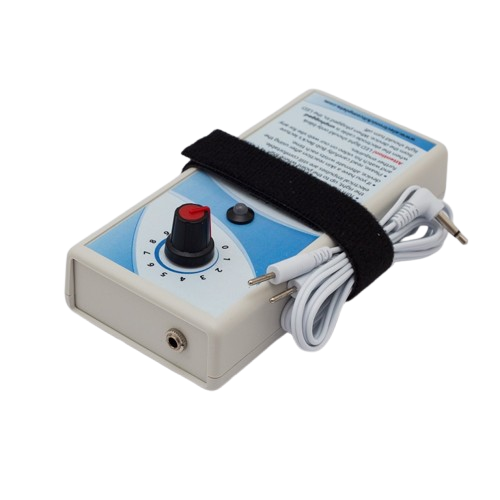
In most cases, a device sends a very low electrical current through electrodes worn on the wrists. These units are usually battery-powered and built for home use. Within alternative wellness circles, this method is discussed as one part of a broader routine that may also include magnetic pulsing and colloidal silver generation, depending on how closely someone follows a Beck-style protocol.
That does not mean every user wants the full protocol. Some people only research blood electrification on its own because they are interested in electrotherapy generally, want a non-drug wellness tool, or are looking for a structured device they can use at home.
A beginner guide to blood electrification and the Bob Beck connection
If you spend even a few minutes researching this topic, you will see Bob Beck’s name repeatedly. That is because blood electrification is most commonly explained through the Bob Beck Protocol, a set of alternative wellness practices that gained attention through lectures, books, and later device sellers.
For a beginner, the practical takeaway is this: when people say “blood electrification device,” they are often talking about a Beck-style wrist unit. These devices generally use specific frequencies and low-current output settings associated with that tradition.
This is also where confusion starts. Some sites talk as if every device is identical. They are not. Build quality, controls, electrode style, ease of use, and included accessories can differ quite a bit. A basic unit may be enough for someone who only wants to try the wrist protocol, while a kit may make more sense for someone who wants a more complete setup without piecing everything together separately.
How a blood electrification device is typically used
At a beginner level, the process is straightforward. The user places conductive electrodes on the wrists, usually over the pulse areas, connects them to the device, selects the intended setting if applicable, and runs the session for the recommended amount of time listed by the manufacturer or protocol guidance.
The experience is usually described as mild. Some people feel a light tingling sensation, while others barely notice much once the device is adjusted properly. More intensity is not automatically better. In fact, one of the most common beginner mistakes is assuming the strongest sensation means the device is working more effectively. With low-level electrotherapy tools, comfort and correct setup matter more than chasing a stronger feeling.
Skin contact also matters. Poor electrode placement, dry conductive pads, or loose contact can lead to inconsistent sessions or irritation. That is why good instructions matter so much in this category. The method itself is simple, but small setup errors can change the experience.
What beginners usually want to know first
Most first-time readers have three questions. Is it legitimate, is it safe, and what should I realistically expect?
The legitimacy question is tricky because blood electrification sits outside mainstream medicine and is discussed mostly in alternative health communities. That means you will find enthusiastic personal reports alongside strong skepticism. A responsible way to approach it is to separate curiosity from certainty. You do not need to believe every claim to learn how the devices work, how they are used, and whether the method fits your comfort level.
Safety is more concrete. At-home electrotherapy devices should be approached carefully, especially by people with pacemakers, implanted electrical devices, seizure disorders, pregnancy concerns, or serious medical conditions. Anyone in those categories should talk with a qualified healthcare professional before using this kind of device. Even healthy users should follow device instructions closely rather than improvising session length or intensity.
As for expectations, many beginners make the mistake of looking for an instant, dramatic effect. This category does not lend itself well to that mindset. People who use these devices generally approach them as part of a broader wellness routine. Some report feeling nothing immediate. Others notice subtle changes in how they feel over time. That “it depends” answer may not be exciting, but it is more honest than promising a sudden transformation.
Side effects and common concerns
Most of the concerns beginners run into are not mysterious. They are practical. Skin irritation from electrodes, discomfort from settings that are too high, inconsistent use, and confusion about what a session should feel like are all common.
Some users also report feeling tired, headachy, or generally off after starting a protocol. In alternative wellness spaces, that is sometimes framed as a detox response. Whether or not a person uses that language, the safer approach is not to push through aggressively. If something feels wrong, stop, reassess the setup, and review the instructions. If symptoms are significant or persistent, seek medical advice.
The biggest risk for beginners is often not the device itself but poor judgment around it. Using longer sessions than directed, combining multiple tools without understanding them, or treating the device as a substitute for medical care can turn a cautious experiment into a bad decision.
Choosing your first device without getting overwhelmed
A good beginner device is not necessarily the one with the most claims attached to it. It is the one that is easiest to use correctly and consistently.
Look for clear operating instructions, a design made specifically for blood electrification rather than a generic stimulator being repurposed, and electrode components that are easy to position and maintain. It also helps if the product information explains what is included in the package. In this niche, some buyers assume they are getting a full protocol kit when they are only purchasing the wrist unit.
That is one reason focused education matters. A specialized site such as Blood Electrification Device can be useful because it explains the differences between standalone devices, accessories, and broader protocol kits in plain language rather than leaving beginners to guess.
You should also think about your real goal. If you are simply trying to understand the basic Beck-style wrist protocol, start there. If you already know you want a more complete home setup, compare kits based on simplicity, instructions, and whether you are actually ready to use everything included.
Beginner mistakes that are easy to avoid
Most people do not need a more advanced device. They need a clearer starting point. Beginners often overcomplicate this category by reading too many contradictory sources at once, changing protocols before they understand the basics, or assuming every anecdote applies to them.
A better approach is to keep things simple. Learn what the wrist device does, follow the instructions that come with it, use it consistently if you decide to proceed, and pay attention to how your body responds. That gives you a much better foundation than jumping between half-understood methods.
It also helps to stay grounded. Blood electrification attracts strong opinions on both sides. Some people present it as a cure-all. Others dismiss it without understanding what users are actually doing. Neither extreme is especially helpful to a beginner who just wants a clear explanation and a sensible path forward.
Is blood electrification right for you?
That depends on why you are interested. If you want a mainstream, widely accepted medical treatment, this is not that. If you are curious about alternative electrotherapy, value self-directed wellness tools, and are willing to approach the method carefully and realistically, it may be worth learning more.
The best mindset is informed experimentation with clear boundaries. Know what the device is, know what it is not, and resist the urge to treat scattered online claims as proof of anything. In a niche like this, a calm, educated approach will take you further than excitement or fear ever will.
If you are just starting out, give yourself permission to begin with the basics and stay there until they make sense. That alone can save you a lot of confusion and help you make better decisions about whether blood electrification belongs in your wellness routine.