7 Top Electrotherapy Devices for Home
Sorting through the top electrotherapy devices for home can feel weirdly harder than it should be. One site makes every device sound identical, another throws around technical claims with no context, and forums often mix personal stories with half-explained advice. If you are trying to figure out what actually belongs in an at-home wellness setup, the real question is not just what is popular. It is what each device is designed to do, what it is not designed to do, and how comfortable you are using it consistently.
Home electrotherapy is a broad category, not a single method. Some devices are built for muscle stimulation or temporary pain relief. Others are used in alternative wellness routines like the Bob Beck Protocol. That matters because people often compare devices that do very different jobs, then end up disappointed when one tool does not replace another.
How to judge the top electrotherapy devices for home
Before looking at categories, it helps to use a simple filter. Start with purpose. Are you trying to support recovery after exercise, address everyday discomfort, explore alternative bioelectric wellness tools, or build a broader protocol at home? A TENS unit and a blood electrification device may both use electrical current, but they are not interchangeable.
The next factor is ease of use. Some devices are beginner-friendly right out of the box. Others need more instruction, more consistency, and more respect for setup details like electrode placement, session timing, or hydration. Price also matters, but the cheapest option is not always the best value if it is frustrating to use or too limited for your goals.
Safety should sit in the background of every decision. Electrotherapy devices are not casual gadgets. People with implanted electronic devices, seizure disorders, certain heart conditions, or pregnancy concerns should be especially careful and should seek professional guidance before use. Even for otherwise healthy users, following instructions matters more than chasing longer or stronger sessions.
Top electrotherapy devices for home use
1. TENS units
For many people, a TENS unit is the easiest starting point. TENS stands for transcutaneous electrical nerve stimulation, and these devices are commonly used for temporary pain relief. They send small electrical impulses through adhesive pads placed on the skin, often around the lower back, shoulders, knees, or neck.
The appeal is obvious. TENS devices are widely available, relatively affordable, and simple enough for most beginners to use. If your main goal is managing occasional discomfort, this category deserves a serious look.
The trade-off is that TENS is narrow in purpose. It is not a complete wellness protocol, and it does not do the same job as blood electrification, PEMF, or microcurrent facial tools. It can be helpful, but it is not a catch-all device.
2. EMS muscle stimulators
EMS stands for electrical muscle stimulation. These devices are designed to trigger muscle contractions, which makes them more relevant for muscle activation, training support, and recovery than for classic pain-relief use.
People often confuse EMS with TENS because the pads and device format can look similar. The difference is in the intended effect. TENS focuses more on sensory nerve stimulation, while EMS actively targets muscle contraction. If you want help with soreness after workouts or muscle re-education, EMS may fit better than TENS.
The downside is comfort. Some people tolerate EMS well, while others find the contractions more intense than expected. It also works best when you understand placement and use it for a specific reason rather than randomly attaching pads and hoping for broad benefits.
3. PEMF devices
PEMF stands for pulsed electromagnetic field therapy. These devices do not usually feel like traditional electrotherapy with noticeable tingling or muscle pulsing. Instead, they use pulsed electromagnetic fields and are often marketed for recovery, circulation support, relaxation, and general wellness.
This category attracts people who want a less hands-on, less sensation-heavy experience. Mats, pads, and targeted applicators are common. For home users, the biggest advantage is ease. Sessions can feel simple and low-effort.
The catch is cost and clarity. PEMF devices can range from modestly priced to very expensive, and the claims around them are not always presented clearly. If you are considering PEMF, look closely at session design, intensity options, device quality, and whether the company explains realistic use rather than promising everything at once.
4. Microcurrent devices
Microcurrent devices use very low-level electrical current and are often associated with facial toning, skin appearance, and cosmetic self-care. Some are wellness-oriented, while others sit more squarely in the beauty category.
If your interest in electrotherapy is partly aesthetic, microcurrent may be the most relevant home device. It is generally low intensity, and many users appreciate that it feels more approachable than stronger current-based tools.
Still, it is important not to overgeneralize from microcurrent into the broader electrotherapy world. A facial microcurrent device is not a substitute for a TENS unit, an EMS stimulator, or a blood electrification system. It serves a different purpose and should be judged on those terms.
5. Blood electrification devices
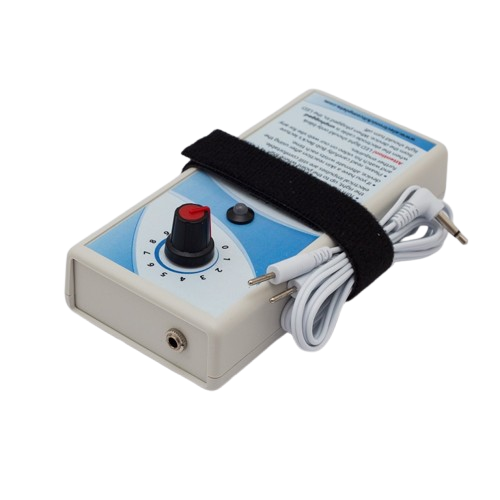
For readers in the alternative wellness space, blood electrification devices are often the category that sparked the search in the first place. These devices are associated with the Bob Beck approach and are used as part of a broader protocol by people interested in self-directed bioelectric wellness routines at home.
What makes this category distinct is that users are usually not looking for simple spot treatment. They are looking for a structured protocol. That changes the buying decision. Instead of asking only whether the device turns on and delivers current, you also need to ask how easy it is to learn, whether the waveform and settings align with the intended method, and whether the device fits into a complete at-home routine.
This is also where education matters most. Blood electrification devices are frequently misunderstood by beginners because they are discussed in fragments online. One seller focuses on hardware, another talks only about theory, and forums fill in the gaps unevenly. A good device in this category should be paired with clear instructions, safety guidance, and realistic expectations.
6. Frequency generators and contact devices
Some home users move beyond single-purpose units and explore frequency-based systems with handholds, pads, or contact electrodes. These devices tend to appeal to people who already have some familiarity with alternative electrotherapy and want more control over settings, session types, or experimentation.
The benefit is flexibility. The risk is complexity. A more adjustable device is not automatically better for a beginner. In fact, too many options can make people use the device less, not more, because they never feel fully confident they are doing it right.
If you are brand new, this category is usually better as a second-step purchase than a first one.
7. Multi-device protocol kits
Sometimes the best answer is not a single device. It is a kit that combines tools used together in a broader wellness routine. In the Bob Beck space, that may include blood electrification alongside related protocol components.
For some users, kits make more sense than buying one item at a time. They reduce guesswork and help you build a more coherent home setup. That said, kits are only worth it if you actually want the full protocol. If you only need localized pain support, buying a broader package can be overkill.
Which home electrotherapy device is best for you?
If your goal is temporary pain relief, start with TENS. If you care more about muscle activation or recovery, EMS is the better fit. If you want a low-sensation wellness device and are comfortable spending more, PEMF may be worth exploring.
If you are specifically interested in the Bob Beck method or alternative bioelectric routines, then blood electrification devices and protocol kits belong much higher on your list than generic consumer gadgets. That is where niche education becomes more valuable than broad wellness marketing.
For cosmetic goals, microcurrent is the clearer choice. For experienced users who want flexibility, frequency generators may be interesting, but they usually come with a steeper learning curve.
Safety and common mistakes
The biggest mistake people make is assuming more intensity means better results. With home electrotherapy, that can lead to irritation, discomfort, or inconsistent use. Start conservatively and follow the device instructions exactly.
Another common problem is buying the wrong category. Someone interested in blood electrification may accidentally purchase a basic TENS unit because it looks similar in photos. Someone hoping for back-pain relief may buy a niche wellness device that was never intended for that job. The labels can blur together, but the use cases are not the same.
It also helps to pay attention to build quality. Cheap pads, weak connectors, vague instructions, and poor battery performance can ruin the experience even if the underlying device concept is solid. Especially in a niche space, educational support is part of the product value.
At Blood Electrification Device, that is really the heart of the issue. The best home electrotherapy tool is not the one with the loudest claims. It is the one that matches your goal, makes sense for your comfort level, and gives you enough guidance to use it safely and consistently.
If you are still deciding, slow down and choose based on function, not hype. A well-matched device used correctly tends to do far more for your routine than a more expensive one that never quite fits.