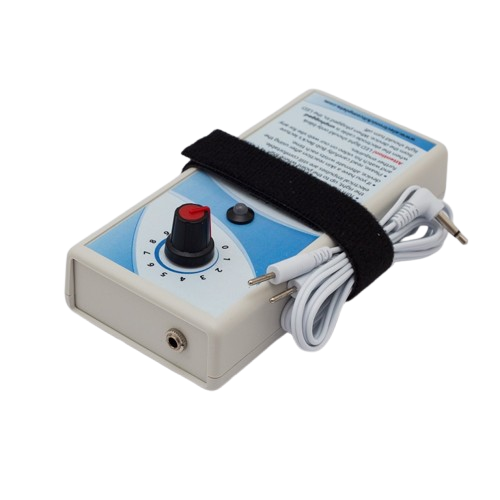
How to Use Blood Electrifier Safely
If you are searching for how to use blood electrifier devices at home, you are probably running into the same problem most beginners face – too much vague advice, not enough clear instruction. Some sources make the process sound mysterious. Others skip over safety and assume you already understand the Bob Beck approach. The reality is simpler: using one of these devices usually comes down to correct setup, proper electrode placement, conservative session timing, and paying attention to how your body responds.
Blood electrification is typically discussed as part of the Bob Beck Protocol, where a low-level electrical current is applied through wrist electrodes. Users are generally looking for a structured routine they can follow without guessing. That is where a lot of confusion begins, because different devices, kits, and sellers explain the process with different levels of detail.
How to use blood electrifier devices at home
At a practical level, a blood electrifier is usually used with two electrode contacts placed over the wrist area, often where the blood vessels pass close to the skin. The device sends a very small pulsed current through the tissues between those contact points. The goal for most home users is not to chase intensity. It is to use the device consistently, gently, and according to the instructions provided for that specific model.
Before your first session, check that the device is fully assembled and that the electrodes, wrist straps, pads, or conductive accessories are clean and in good condition. If your model uses conductive pads or damp covers, make sure they are prepared correctly. Poor skin contact is one of the most common reasons a session feels inconsistent or uncomfortable.
Choose a time when you can sit still and pay attention. This is not the kind of device you want to throw on while distracted and then forget about. A calm, seated session helps you notice the current level, any skin irritation, and whether the electrode position needs adjustment.
Step 1: Read the device-specific instructions
This sounds obvious, but in this niche it matters more than people think. Blood electrifier devices are based on a similar concept, but controls vary. One model may use a dial, another may use preset intensity levels, and another may package the blood electrifier with accessories from a larger protocol kit.
Start with the instructions for your exact unit. If the manufacturer recommends a certain session length, placement method, or startup sequence, use that as your baseline instead of copying a random forum post.
Step 2: Prepare the skin and electrodes
Clean skin helps with reliable conductivity. If the wrist area is oily, heavily lotioned, or sweaty, the contact may be weak. Wash and dry the area first. Then attach the electrodes as instructed.
For most users, comfort improves when the contact area is evenly moist rather than overly wet or completely dry. The exact method depends on the device design. Some use metal contacts with moistened covers. Others use a different pad system. The main point is steady, even skin contact.
Step 3: Position the electrodes correctly
Most blood electrifier setups are designed for use on the wrists. The contacts are placed where circulation is close to the surface, usually on the underside of the wrists. The straps should be snug enough to maintain contact but not so tight that they pinch or restrict circulation.
If the placement is off, you may feel too little, too much, or a patchy sensation that comes and goes. Small adjustments often solve this. Better placement is usually more helpful than increasing the power.
Step 4: Start low and increase gradually
This is where beginners often make the wrong move. They assume stronger means better. With these devices, that is not the usual goal. Start at the lowest setting and slowly increase only until you feel a light, tolerable sensation, if your device is designed to be felt at all.
A comfortable session might feel like a mild tingling or pulsing. It should not feel sharp, painful, or irritating. If it does, lower the setting, check the moisture level of the electrodes, and reposition them if needed.
Step 5: Keep sessions conservative
Session length depends on the device and protocol. Many blood electrifier users follow a daily schedule tied to Bob Beck-style recommendations, but that does not mean every person should jump straight into the longest possible session. If you are new, shorter and more cautious sessions make it easier to assess comfort and tolerance.
Some users feel nothing unusual during use. Others report temporary tiredness, mild headache, or a general adjustment period when starting a broader protocol. Whether that is due to hydration, sensitivity, duration, or something else, the practical takeaway is the same: begin conservatively and avoid changing too many variables at once.
Safety points that matter more than hype
A lot of content in this category focuses on claims. A better place to start is safety. If you are using a blood electrifier at home, do not use it casually just because the current is low.
People with implanted electrical devices such as pacemakers should avoid this kind of equipment unless they have clear medical guidance. The same cautious approach applies during pregnancy, with seizure disorders, or with serious cardiovascular concerns. If you have a medical condition, take medications that affect heart rhythm, or are unsure whether electrotherapy is appropriate for you, talk to a qualified healthcare professional before use.
You should also avoid using the device on broken, irritated, or damaged skin where the electrodes sit. Stop the session if you notice burning, persistent redness, dizziness, or unusual discomfort. A small setup issue is common. Pushing through obvious irritation is not.
Hydration, rest, and pacing
Many experienced users emphasize hydration, and that advice is practical even without making bigger claims. If you are dehydrated, any wellness routine can feel rougher than it needs to. Drinking water, staying rested, and starting slowly can make the process easier to gauge.
Pacing matters too. Some people use a blood electrifier as one part of a full protocol that may also include magnetic pulsing, colloidal silver generation, or ozonated water approaches. If you are trying multiple tools at once, it becomes harder to tell what is helping, what is irritating, and what needs adjustment. For beginners, simpler is usually better.
Common mistakes when learning how to use blood electrifier tools
The most common mistake is assuming intensity equals effectiveness. In practice, too much current often just creates discomfort and discourages regular use. Another frequent issue is inconsistent electrode contact. If the pads are too dry, too loose, or poorly positioned, the session may feel uneven.
Some users also start with a full protocol schedule on day one because they want fast results. That can backfire. A measured approach gives you better feedback and usually leads to more consistent use over time.
Then there is the expectation problem. People often come to this category after reading bold stories online. It helps to stay grounded. Alternative wellness tools tend to involve personal experimentation, and responses vary. The best mindset is curious but disciplined – follow the instructions, observe your experience, and avoid treating guesswork as a protocol.
What a good beginner routine looks like
A good beginner routine is boring in the best way. You sit down, prepare the electrodes correctly, place them carefully, start at a low setting, and use the device for the recommended time without chasing stronger sensation. Afterward, you check your skin, note how you feel, and keep your schedule consistent.
That consistency matters more than doing everything perfectly on day one. Once you are comfortable with the basics, you can decide whether a standalone blood electrifier meets your needs or whether a more complete Bob Beck-oriented setup makes sense. For many readers, that is the stage where product education becomes useful, because device quality, ease of use, electrode style, and kit completeness can make the difference between a routine you actually keep and one you abandon.
If you want more structured education on devices, kits, and protocol basics, bloodelectrificationdevice.com focuses specifically on this niche, which makes it easier to sort through information without bouncing between generic wellness sites.
The best place to start is not with big promises. It is with careful use, realistic expectations, and enough patience to learn what your device is actually doing in your hands.