
How Long to Use Bob Beck Device Safely
If you are trying to figure out how long to use Bob Beck device sessions, you are probably running into the same problem most beginners do – one source says use it for a short session, another suggests much longer, and forum advice is all over the place. That confusion is common in the Bob Beck space because people mix original protocol ideas, personal experiments, and modern device variations.
The practical answer is that session length depends on the specific device, the protocol you are following, and how your body responds. For most users, the goal is not to use the device as long as possible. The goal is to use it consistently, within the manufacturer’s instructions, and without pushing past what feels tolerable.
How long to use Bob Beck device in a typical session
For a standard blood electrification session, many users look at a range of about 2 hours per day, often broken into one continuous session. That is the time frame most commonly associated with classic Bob Beck-style blood electrification guidance. But that does not mean every person should start there on day one, and it does not mean every device on the market is meant to be used in exactly the same way.
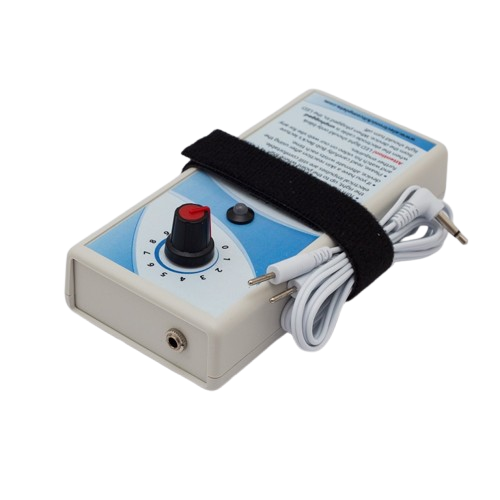
Some devices are designed around the traditional schedule, while others may have updated controls, preset timing, or brand-specific usage instructions. That matters. A Bob Beck device is not just a concept. It is a physical product with its own output settings, electrode design, and use directions.
If your device manual recommends a shorter session, follow the manual rather than a generic internet answer. If it recommends working up gradually, take that seriously. More time is not automatically better.
Start lower if you are new
A lot of first-time users make the mistake of treating tolerance like proof of effectiveness. They assume that if a little is good, more must be better. In practice, a slower start is usually the better move.
If you are brand new to blood electrification, it often makes sense to begin with shorter sessions and assess comfort. That may mean starting well below the common 2-hour mark and increasing only if the device instructions allow it and your experience is uneventful. This is especially true for people who are sensitive to stimulation, already using multiple wellness devices, or trying several parts of the Bob Beck Protocol at once.
When users stack too much too early, it gets hard to tell what is helping, what is irritating, and what simply needs adjustment.
Why a gradual build matters
A gradual build gives you clearer feedback. You can notice whether the wrist electrodes feel comfortable, whether the current setting is appropriate, and whether you feel fine afterward or unusually fatigued.
It also helps reduce user error. Many complaints blamed on the device are actually setup problems – poor electrode contact, current set too high, dry skin, or trying to force a long session before getting comfortable with the routine.
Frequency matters as much as session length
When people ask how long to use Bob Beck device sessions, they often focus only on minutes or hours. But frequency matters just as much. A moderate, repeatable schedule is usually more useful than a marathon session followed by several skipped days.
Traditional Bob Beck-style use is often discussed as a daily practice. That consistency is a big part of why users pay attention to protocol structure. If you only use the device occasionally, session length becomes less meaningful because there is no rhythm to the routine.
That said, daily use is not the same as unlimited use. If your device instructions specify session caps, stick to them. If you feel the need to do much more than the recommended amount, that is usually a sign to step back and review your setup rather than keep increasing time.
How long to use Bob Beck device if you are using a full protocol
This is where a lot of confusion starts. Some users are not just doing blood electrification. They are also adding magnetic pulsing, colloidal silver, ozonated water, or other wellness steps commonly discussed alongside the broader Bob Beck Protocol.
If you are combining tools, do not assume the blood electrification portion should automatically be extended. Each part of a full protocol has its own timing logic. Piling on extra blood electrification time because you want faster results can make your routine harder to tolerate and harder to track.
A better approach is to keep each component organized. Use the blood electrification device for the intended session length, then handle other tools separately according to their own instructions. This creates a routine you can actually maintain.
Signs your session length may be too much
The right session length should feel sustainable. That does not mean every session feels dramatic. In fact, many users notice very little during proper use beyond mild wrist sensation from the electrodes.
If your sessions leave you feeling consistently drained, irritated at the contact points, or eager to quit after a few days, your routine may be too aggressive. Sometimes the issue is duration. Sometimes it is current level. Sometimes it is poor electrode placement or trying to use the device while distracted and moving around too much.
Watch for patterns rather than one-off reactions. A single uncomfortable session may just mean something in the setup was off. Repeated discomfort means it is time to shorten the session, lower the intensity if your device allows that, or pause and review the instructions.
More is not a shortcut
This category attracts people who are proactive. That is a strength, but it can also create impatience. Users looking for relief or hoping to support recovery often want to do more, sooner.
With Bob Beck-style devices, discipline usually beats intensity. A steady, appropriate routine is more realistic than trying to compress everything into longer sessions. If a protocol works for you, it usually works because you can repeat it consistently, not because you pushed the longest possible session.
Device design changes the answer
Not every product sold under Bob Beck terminology is identical. Some devices are built to mirror traditional usage closely. Others are modern interpretations. Electrode quality, waveform delivery, timer functions, and user controls can vary.
That is why the best answer to how long to use Bob Beck device equipment is always tied to the device you actually own. The safest reference point is the manufacturer’s written guidance. General protocol education is helpful, but it should not override the instructions for your specific unit.
If you are still comparing options, this is one of the smartest things to evaluate before buying. Does the device come with clear timing instructions? Does it explain beginner use? Does it tell you how to increase use responsibly? Good product education saves a lot of trial and error later.
Safety boundaries beginners should take seriously
This is not a category where vague experimentation is a great idea. The device may be simple to use at home, but it still deserves the same respect you would give any electrical wellness tool.
Do not use beyond the recommended timing just because you saw anecdotal claims online. Do not ignore contraindications. People with implanted electronic devices, certain medical conditions, or specific health concerns should be especially cautious and speak with a qualified healthcare professional before use.
It also makes sense to avoid treating discomfort as something to push through. The point of home use is control and manageability. If your routine feels rough or uncertain, simplify it.
A practical way to think about timing
For most readers, the easiest framework is this: start with your device instructions, use a conservative session length if you are new, stay consistent, and only increase if your device guidance supports it and your experience is comfortable. That is a much better strategy than chasing the longest session someone mentioned in a forum post.
If you want a cleaner learning curve, keep a simple log for the first couple of weeks. Note session time, setting level, and how you felt during and after use. You do not need anything fancy. A few notes can quickly show whether your current timing is working or whether you are overdoing it.
That kind of tracking is especially useful if you are building a broader at-home protocol and want to separate blood electrification sessions from other tools or habits.
Where to get clearer guidance
Because this niche is full of recycled claims and half-explained protocols, it helps to rely on sources that focus specifically on Bob Beck-style education instead of generic wellness chatter. A specialized resource like bloodelectrificationdevice.com can make the learning process much less confusing because it keeps the conversation centered on actual device use, safety, and protocol structure.
If you remember one thing, make it this: the best session length is the one your device is designed for and you can use responsibly, comfortably, and consistently over time.