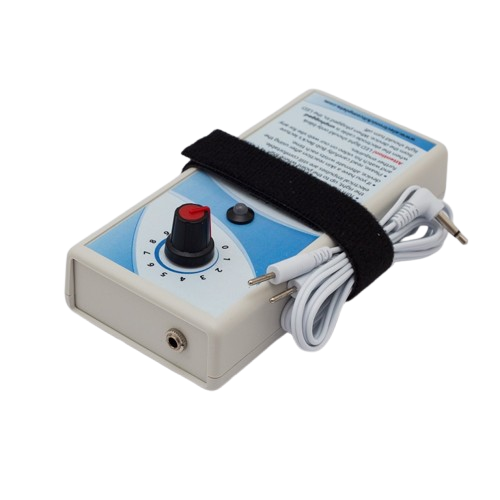
Can You Use Electrotherapy Daily?
If you are asking can you use electrotherapy daily, you are probably already seeing two very different answers online. One side says more is better. The other treats any regular use like a bad idea. In practice, neither extreme is very helpful. Daily electrotherapy can make sense for some people, some devices, and some goals – but frequency only works when the device type, session length, intensity, and your own response all line up.
That matters because electrotherapy is not one single method. A mild microcurrent wellness device, a TENS unit used for pain relief, and a blood electrification device used within a Bob Beck-style routine are not interchangeable. The right schedule for one may be too much, too soon, or simply unnecessary for another.
Can You Use Electrotherapy Daily for Every Device?
Usually not as a blanket rule. The safer answer is that daily use depends on the exact kind of electrotherapy you are using and the instructions designed for that device.
This is where a lot of confusion starts. People search for one broad answer, but electrotherapy covers several categories with different intended effects. TENS is often used for temporary pain management. EMS is more about muscle stimulation. Microcurrent devices are commonly discussed in beauty and wellness settings. Blood electrification devices and related Bob Beck tools follow their own protocol logic, which is different again.
So when someone says they use electrotherapy every day, the better follow-up question is: what kind, for how long, at what setting, and for what purpose?
Why Daily Use Sometimes Works – and Sometimes Backfires
Daily sessions can be reasonable when the current is gentle, the session length is controlled, and the device is meant for repeated use. This is especially true when the goal is consistency rather than intensity. Many at-home wellness routines work better with moderate, repeatable sessions than occasional aggressive ones.
The problem is that some users assume a stronger sensation means faster progress. That is often where trouble starts. More current, longer sessions, or stacking multiple sessions in a day can lead to skin irritation, sensitivity, fatigue, discomfort, or simply a poor overall experience. Even when a device is considered low-risk, your body still needs time to respond.
There is also a practical issue: if daily use makes you feel worse, that frequency is not helping you, even if someone else tolerates it well. Electrotherapy is highly individual. Two people can use the same device and have very different responses based on hydration, skin condition, sensitivity, general health, and how closely they follow directions.
How Daily Electrotherapy Is Usually Approached
For most home users, the best approach is not to start at the maximum schedule. It is to begin conservatively and build only if the device instructions support it and your body tolerates it well.
That means paying attention to four variables at the same time: device type, session duration, intensity level, and total frequency per week. If even one of those goes too far, daily use can stop being productive.
A short, low-intensity daily session may be easier to tolerate than a longer, higher-intensity session done every other day. On the other hand, some people do better with rest days built in, especially when they are new to electrotherapy or experimenting with a protocol that includes more than one device.
If you are using a blood electrification device as part of a broader Bob Beck-style setup, daily use is often discussed in relation to a structured routine rather than random usage. In that context, consistency matters, but so does staying within the intended session window. Extending the time just because daily use feels manageable is not automatically better.
Signs You May Need to Reduce Frequency
One of the most useful habits with electrotherapy is to stop treating discomfort like proof that it is working. Mild sensations during use can be normal with some devices, but ongoing irritation or a clear negative response is a signal to reassess.
You may need to slow down if you notice skin redness that lasts, unusual tenderness at the contact points, headaches after sessions, fatigue that feels out of proportion, or increasing sensitivity over time. Some users also describe a wired or drained feeling when they move too quickly into daily sessions.
That does not always mean the device is wrong for you. It may simply mean the schedule is too aggressive. Lowering the intensity, shortening the session, improving electrode placement, or taking rest days can make a major difference.
Can You Use Electrotherapy Daily When You Are New?
If you are a beginner, daily use is usually something to earn into rather than assume from day one. New users often do best when they spend the first several sessions learning the device, understanding the sensations, and checking for any skin or comfort issues.
This is especially important in alternative wellness categories where people are often self-directing based on scattered information. A lot of avoidable problems come from combining forum advice, old protocol notes, and guesswork. Clear instructions matter.
For beginners, patience beats intensity. A measured start gives you a much cleaner read on how your body responds. It also makes it easier to tell whether a benefit is coming from the routine itself or from overdoing it and then backing off.
Safety Factors That Matter More Than Frequency Alone
People often fixate on daily use, but frequency is only one part of the safety picture. A device used once a day at the wrong setting can be a worse idea than a properly used device applied more regularly within its intended range.
Electrode condition matters. Skin prep matters. Hydration can matter. Whether you are using the device on clean, intact skin matters. The quality and consistency of the device itself matter too.
You also need to factor in common-sense contraindications. Electrotherapy is generally not appropriate for everyone, especially people with implanted electronic devices such as pacemakers, certain heart conditions, seizure disorders, or pregnancy-related concerns depending on the device and use area. If there is any medical uncertainty, that is a reason to pause and get qualified guidance before building a daily routine.
The Difference Between Consistency and Overuse
This is the part many readers really want clarified. Yes, consistency is often valuable with electrotherapy. No, that does not mean more sessions equal better results.
A useful routine should feel sustainable. You should be able to repeat it without chasing stronger settings or longer sessions just to feel like something is happening. If your schedule depends on escalating the dose to stay satisfied, that is usually a sign to step back.
With niche wellness tools, there is always a temptation to optimize everything. But the more useful mindset is to look for stable, tolerable, repeatable use. If daily electrotherapy supports that, fine. If every-other-day use gives you a better overall response, that may actually be the smarter schedule.
A Practical Way to Decide if Daily Use Makes Sense
Start with the device manual, not internet folklore. If the instructions support daily use, begin at the lower end of the recommended settings and keep the session length controlled. Give yourself enough sessions to spot patterns rather than judging everything from a single use.
Track simple details: how long you used it, what intensity setting you chose, where you applied it, and how you felt later that day and the next morning. This kind of log quickly shows whether daily use is neutral, helpful, or too much.
If you are using a protocol-based wellness device, follow the protocol instead of improvising. That is one area where Blood Electrification Device and similar focused educational resources can be helpful, because the biggest problem for most users is not motivation – it is sorting out inconsistent instructions.
So, Can You Use Electrotherapy Daily?
Yes, you can use electrotherapy daily in some cases, but daily use is not a universal rule and it is not automatically the best choice. The right answer depends on the device, the protocol, your settings, and how your body responds over time.
If you remember one thing, let it be this: good electrotherapy use is less about doing the most and more about doing the right amount consistently. A calm, well-matched routine will usually take you further than pushing frequency just because daily sounds more committed.
When you are working with any electrotherapy device at home, the smartest move is to let the instructions lead, let your response guide adjustments, and leave room for moderation when your body asks for it.