Is Blood Electrification Safe for Home Use?
Most people asking if blood electrification is safe are not looking for a philosophy lesson. They are trying to sort through a mess of forum claims, vague product pages, and warnings that range from sensible to wildly overstated. If that sounds familiar, the short answer is this: blood electrification can be used cautiously at home by some adults, but safety depends heavily on the device, the protocol, your health status, and whether you follow instructions exactly.
That means the real question is not just, is blood electrification safe. It is safe for whom, under what conditions, and with what limits?
Is blood electrification safe in general?
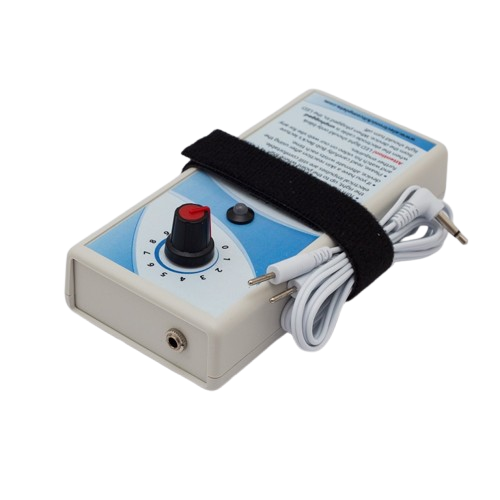
In the alternative wellness world, blood electrification usually refers to a Bob Beck-style setup that applies a very low electrical current through electrodes placed on the skin, often at the wrists. The goal is not to shock the body or force a strong stimulation. It is a low-level protocol designed around specific current ranges and timing.
When people get nervous about the term, that makes sense. The phrase sounds more intense than the actual method. You are not sending household electricity into your bloodstream. You are using a low-output device that delivers a controlled signal through external electrodes.
Still, “low-output” does not mean “risk-free.” Even gentle electrotherapy tools can create problems when they are poorly made, used too long, used too often, or used by someone with a contraindication. Safety in this category comes from respecting the limits, not assuming that weak current means unlimited use.
What makes blood electrification feel risky to beginners
A lot of first-time concern comes from the name itself, but some of it comes from the way this niche is discussed online. One seller says it is completely harmless. Another treats it like advanced experimental equipment. Neither extreme is very helpful.
The more grounded view is that blood electrification devices sit in a narrow space. They are not mainstream medical treatment, and they are not casual gadgets either. They are wellness tools that require informed use. If you are the kind of person who wants clear guardrails before trying something unconventional, that instinct is a strength here.
The main safety issues usually involve excessive session length, using the wrong settings, poor electrode contact, skin irritation, and ignoring basic contraindications. Those are practical risks, not mystery risks.
Who should be more cautious
This is where blanket answers break down. A healthy adult using a properly designed Beck-style device as directed is in a different situation than someone with implanted electronics, seizure history, serious heart rhythm concerns, or other complex medical conditions.
People with pacemakers or implanted electrical devices should generally avoid blood electrification unless they have explicit medical clearance. The same cautious approach applies to anyone who is pregnant, has uncontrolled epilepsy, has active bleeding issues, or is under treatment for a serious medical condition and is unsure how electrical stimulation might interact with their care plan.
If you are on medication, especially for heart rhythm, blood pressure, clotting, or neurological conditions, it is smart to pause and get individualized advice. Not because every medication creates a conflict, but because this is exactly the kind of area where assumptions can get sloppy.
Common side effects and what they usually mean
Most reported side effects with beginner use are mild and temporary. Skin redness at the electrode site is common, especially if the contact is too dry, too tight, or left in place too long. Some users report light fatigue, a mild headache, or feeling a little off after early sessions.
That does not automatically mean something dangerous is happening. Sometimes it means the session was too long, the body is adjusting, hydration is poor, or the user jumped in too aggressively. Alternative wellness users often make the same mistake with new devices: if a little is good, more must be better. In this category, that logic often backfires.
A stronger warning sign would be sharp discomfort, palpitations, dizziness that does not pass, significant skin irritation, or any symptom that feels disproportionate to a low-current session. At that point, stop using the device and do not keep experimenting through the problem.
The biggest factor in whether blood electrification is safe
The biggest safety variable is not usually the concept. It is the execution.
A properly built device matters. Current output should be appropriate for the protocol, and instructions should be clear enough that a beginner can follow them without guessing. Cheap or poorly explained units increase the chances of misuse. If a device page spends more time making sweeping claims than explaining current levels, electrode placement, session timing, and safety boundaries, that is a red flag.
This is also why complete education matters as much as the hardware. A person using a decent device carelessly can still create a bad experience. A person using a good protocol conservatively tends to have a smoother start.
How to use a blood electrification device more safely
If you decide to try one, the safest mindset is slow, conservative, and observant. Start with the manufacturer’s instructions, not advice patched together from random forum threads. Stay within recommended session lengths and do not increase frequency just because you feel impatient.
Make sure the electrodes are clean, positioned correctly, and making even contact. Poor contact can lead to irritation and inconsistent sensation. Your skin should be intact where the electrodes sit. Do not place them over broken or highly irritated skin.
Hydration and timing can also make a difference. Many users tolerate sessions better when they are reasonably hydrated and not pushing the device during a moment of physical depletion. If you feel unusually sensitive one day, that is usually not the day to test your limits.
It is also wise to change one variable at a time. Do not combine a new blood electrification routine with several other new wellness tools and then try to guess what caused a reaction. Keep your setup simple enough that you can actually observe how your body responds.
Is blood electrification safe if you follow the Bob Beck Protocol?
For people specifically researching Beck-style use, the same answer applies: following the protocol improves your odds of using the device safely, but it does not erase all risk.
The Bob Beck approach is structured, and structure helps. It gives users a framework instead of encouraging random experimentation. That said, a protocol only helps if the device is built for that purpose and the user follows the timing and placement instructions carefully.
One common mistake is treating the protocol like a challenge to optimize. People want to stretch sessions, stack frequencies, or improvise because they assume more intensity means more benefit. In practice, that can turn a manageable routine into one that creates side effects or discourages continued use.
At https://bloodelectrificationdevice.com, this is why the education side matters so much. In a niche full of scattered claims, clear instructions are part of safety, not just convenience.
What blood electrification cannot promise
Safety also depends on expectations. A device becomes less safe when people use it as a substitute for appropriate medical care or when they expect it to solve every health problem on its own.
Blood electrification is better understood as a niche wellness tool with a specific use case and a specific protocol. It is not a free pass to ignore serious symptoms, skip diagnosis, or self-manage conditions that need professional attention. Used with realistic expectations, it tends to fit better into a broader self-care approach.
That perspective can actually make people more comfortable with the category. You do not need to believe impossible claims to decide whether a Beck-style device belongs in your routine. You just need a clear view of what it is, what it is not, and what responsible use looks like.
So, is blood electrification safe for home users?
For many adults, it can be reasonably safe when the device is well designed, the instructions are followed closely, and obvious contraindications are taken seriously. But that answer comes with a big qualifier: this is not a plug-it-in-and-forget-it type of tool.
It asks for attention. It asks for restraint. And it rewards users who treat safety as part of the protocol, not a side note.
If you are still undecided, that is not hesitation for the sake of hesitation. It is the right instinct. In a category like this, the best starting point is not fear or hype. It is careful curiosity.