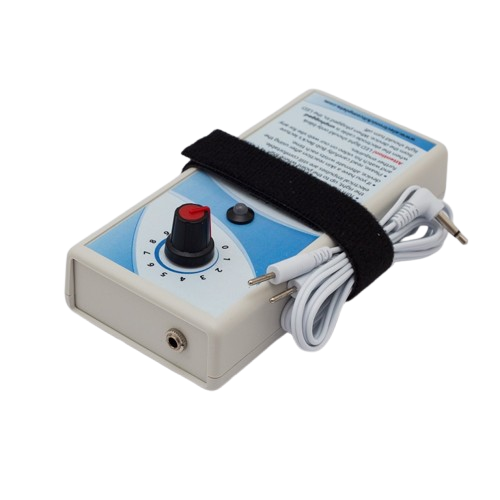
What Is an H-Wave Machine and How Does It Work? A Beginner’s Guide
If you’re exploring drug-free ways to manage pain, you’ve probably felt overwhelmed by the options. TENS, EMS, microcurrent… it’s a confusing alphabet soup of devices. Many people find that a standard TENS unit only provides temporary relief-a fleeting distraction that doesn’t address the underlying issue. This frustration is exactly why more and more people are asking about a different kind of technology: the h wave machine. It’s designed not just to mask pain, but to support the body’s own natural healing mechanisms in a unique way.
In this beginner’s guide, we’re going to cut through the noise and get straight to the facts. We’ll explore the unique science behind H-Wave therapy, showing you how its specific waveform works to provide lasting benefits. You’ll finally understand the critical differences between H-Wave and TENS and see what kinds of acute and chronic conditions it’s used for. By the end, you’ll have the clear, honest information you need to feel confident about whether this approach to healing could be the right path for you.
Decoding the H-Wave: More Than Just Electrical Pulses
When most people hear about electrical stimulation, their minds often jump to TENS units. However, an H-Wave machine operates on a fundamentally different principle. Instead of simply masking pain signals, this technology is engineered to get to the root of the problem by delivering two distinct therapeutic effects: profound, long-lasting pain relief and active, dynamic recovery. The key to its success is a unique, low-frequency waveform that works with your body’s natural processes to facilitate genuine healing.
The Science of the Waveform
At the heart of the H-Wave is its patented, trapezoidal waveform. Unlike the sharp, spiky signals used in many common devices that can feel harsh or uncomfortable, this specific shape allows the current to penetrate deeply and recruit muscle fibers without causing irritation. The design aims to mimic the body’s own bio-electric signals, making it a more compatible and effective tool within the broader field of electrotherapy and enabling comfortable, productive treatment sessions.
Mechanism 1: Anaerobic Fatigue for Pain Relief
On its high-frequency setting (HF), the H-Wave produces exceptionally smooth, non-fatiguing muscle fiber contractions. This gentle but persistent stimulation helps to shut down the transmission of pain signals along the nerve fibers, creating a powerful analgesic effect that can last for hours after a session is complete. This is a more direct approach to pain control than the “gate control theory” used by TENS, which focuses more on distracting the brain from perceiving pain.
Mechanism 2: Fluid Shifting for Recovery
The low-frequency (LF) setting on an h wave machine is where the magic of recovery happens. This mode creates strong, rhythmic, and non-fatiguing muscle contractions that produce a powerful pumping action. This mechanical effect is crucial for:
- Boosting Circulation: Forcing fresh, oxygenated blood into tissues.
- Promoting Lymphatic Drainage: Actively reducing swelling, inflammation, and edema.
- Removing Waste: Flushing out metabolic byproducts that accumulate in injured or stagnant areas.
By clearing out congestion and bringing in nutrients, this mechanism directly accelerates the body’s natural healing and recovery timeline.
H-Wave vs. TENS vs. EMS: A Clear Comparison
When exploring electrotherapy for pain relief or rehabilitation, it’s easy to get lost in a sea of acronyms. While H-Wave, TENS, and EMS devices all use electrical currents, their core purpose, the way they feel, and their biological mechanisms are fundamentally different. Confusing them can lead to using the wrong tool for the job. An EMS unit won’t provide the same relief as a TENS, and neither can replicate the unique recovery benefits of an h wave machine.
To cut through the confusion, here is a simple breakdown of these three distinct technologies:
| Feature | H-Wave | TENS | EMS |
|---|---|---|---|
| Primary Goal | Long-lasting pain relief & active recovery | Temporary pain blocking | Muscle strengthening & re-education |
| Mechanism | Stimulates muscles for fluid shifting & calms nerves | Blocks pain signals (Gate Control Theory) | Forces strong, deep muscle contractions |
| Sensation | Smooth, comfortable muscle pumping | Static buzzing or tingling | Intense, often uncomfortable contractions |
| Best For | Chronic pain, injury recovery, reducing swelling | Acute, short-term pain relief (e.g., labor) | Preventing atrophy, athletic conditioning |
TENS (Transcutaneous Electrical Nerve Stimulation)
Think of a TENS unit as a pain distractor. Its primary goal is to mask pain signals before they can reach your brain. It does this by stimulating sensory nerves with a high-frequency current, effectively “closing the gate” on pain perception. The sensation is a noticeable buzzing or tingling. While effective for temporary relief, its major limitation is that the benefits typically stop as soon as you turn the device off, as it doesn’t address the underlying cause of the pain.
EMS (Electrical Muscle Stimulation)
An EMS device is designed for one main purpose: to make your muscles contract forcefully. It bypasses the central nervous system to send a direct signal to your motor nerves, causing a strong, deep contraction similar to intense exercise. This makes it an excellent tool for physical therapists and athletes looking to strengthen muscles, prevent atrophy after surgery, or re-educate muscles that aren’t firing correctly. It is not designed for pain relief or improving circulation.
H-Wave: The Hybrid Approach
The h wave machine takes a different, more holistic approach focused on genuine recovery. It provides lasting relief by targeting the root cause of many types of pain: poor circulation and fluid buildup. It uses two distinct modes. One setting provides anesthetic-like pain relief by calming overactive nerves. The other, more critical setting, produces gentle, non-fatiguing muscle contractions that create a “pumping” action. This process flushes out inflammation and metabolic waste while bringing in fresh, oxygenated blood to nourish damaged tissues. As detailed in a critical review of H-Wave stimulation, this unique mechanism is highly effective at reducing edema and accelerating the body’s natural healing processes for cumulative, lasting benefits.
Key Applications: What Is H-Wave Therapy Used For?
H-Wave therapy stands out for its versatility in addressing a wide range of physical issues, from nagging chronic pain to acute injuries. Its unique mechanism, which focuses on stimulating smooth muscle contractions and calming overactive nerves, makes it a powerful tool for recovery and rehabilitation. Many people turn to an h wave machine as an effective, drug-free alternative or as a complementary therapy to their existing treatment plan. The applications generally fall into three key categories.
Chronic and Acute Pain Management
One of the most common uses for H-Wave is managing persistent and short-term pain. Unlike TENS units that simply block pain signals, H-Wave aims to address the root causes of pain by improving circulation and flushing out metabolic waste. In fact, its benefits are well-documented, with one comprehensive meta-analysis on H-Wave effectiveness published by the National Institutes of Health confirming its significant impact on reducing pain and improving physical function. It is frequently used to:
- Manage symptoms associated with chronic conditions like neuropathy, fibromyalgia, and arthritis.
- Provide relief from persistent back pain, sciatica, and joint discomfort.
- Address acute pain from recent injuries such as sprains, strains, and muscle tears.
Post-Operative and Injury Recovery
After surgery or an injury, the body’s primary challenge is managing inflammation and repairing damaged tissue. The gentle, non-fatiguing muscle contractions produced by an h wave machine are incredibly effective at supporting this natural process. By dramatically increasing blood flow to the affected area, H-Wave therapy helps to reduce swelling and deliver vital oxygen and nutrients needed for repair. This can lead to a significantly smoother and faster recovery, helping to restore function and get you back on your feet sooner.
Improving Circulation and Lymphatic Drainage
Poor circulation can lead to a host of problems, including fluid retention (edema) and a buildup of toxins in the tissues. H-Wave directly assists the body’s circulatory and lymphatic systems. The device creates small muscle contractions that effectively “pump” fluid and waste products out of congested areas, particularly in the limbs. This makes it a valuable tool for managing conditions involving poor circulation and reducing painful swelling, supporting the body’s essential detoxification pathways without medication.
What to Expect During an H-Wave Session
If you’re considering H-Wave therapy, you might be wondering what a session actually feels like. The good news is that the process is straightforward, comfortable, and designed to put you in control. Whether you’re in a clinic or using a device at home, the goal is to provide relief and promote recovery without the harsh sensations associated with other electrotherapy devices.
The Setup and Sensation
A session begins by placing self-adhesive electrode pads on the skin around the target area. Once the h wave machine is turned on, you won’t feel a harsh, prickly buzz like many TENS units. Instead, the sensation is a smooth, deep, and often pleasant muscle contraction. It feels like the machine is doing gentle work for you. The best part is that you control the intensity, adjusting it to a level that feels effective yet completely comfortable.
Typical Session Duration and Frequency
Most H-Wave sessions last between 30 and 60 minutes, giving the technology enough time to significantly increase circulation and calm nerves. Depending on your condition and goals, your doctor or therapist might recommend daily use initially, tapering off to a few times per week. Like any effective therapy, consistency is crucial. Regular use is what leads to lasting, cumulative benefits and helps keep pain and inflammation at bay over the long term.
At-Home Use vs. Clinical Treatment
While a clinician might use H-Wave to kickstart your recovery after an injury, one of its greatest strengths is its accessibility for home use. Having a device at home empowers you to manage your condition on your own schedule, providing relief whenever you need it. This convenience is key for long-term management and aligns with the principle of taking an active role in your own wellness journey. It puts the power of recovery directly into your hands.
To get the most out of your treatment, here are a few simple tips:
- Stay Hydrated: Proper hydration helps your body’s electrical system function optimally.
- Find a Comfortable Position: Relax during your session to allow your muscles to respond fully to the treatment.
- Ensure Good Pad Contact: Clean the skin before applying the pads for the best connection and results.
By understanding the process, you can approach your first session with confidence. For those interested in exploring technologies that support self-directed health, discovering the right tools can be a game-changer. You can find many interesting and effective electronic kits at electronickitcomplete.com.
H-Wave and the Wider World of Bio-Electricity
Understanding the technology behind an h wave machine is like opening a door to a much larger and more fascinating room: the world of bio-electricity. While H-Wave provides a specific, patented waveform for pain relief and recovery, it operates on a fundamental principle that has captivated researchers for centuries: our bodies are electric.
The Principle of Electrical Healing
Your body is a complex electrical system. Every heartbeat, every nerve signal, and every thought is powered by tiny electrical impulses. Your cells communicate using these currents. The idea of using external electricity for healing isn’t new; it’s a concept that has been explored for generations. The core principle is that if the body’s natural electrical signals can be disrupted by injury or illness, then introducing specific, helpful frequencies from an external source can help guide it back to balance and promote natural healing processes.
Exploring Other Electrotherapy Frontiers
The H-Wave is just one of many technologies that harness this principle. The field of electrotherapy is vast and includes a variety of approaches, each using different frequencies and waveforms to achieve different results. Other well-known modalities include:
- PEMF (Pulsed Electromagnetic Field) Therapy: Uses magnetic fields to influence cellular charge and encourage repair.
- Microcurrent Therapy: Uses extremely low-level currents, similar to the body’s own, to support cellular energy production (ATP).
Pioneering work by researchers like Dr. Robert O. Becker, author of The Body Electric, laid the groundwork for our modern understanding of regeneration and the body’s innate electrical systems. His research inspired countless others, including physicist Bob Beck, who developed his own unique protocols based on the idea of applying specific microcurrents to the body.
This research into bio-electricity continues to push boundaries, offering new perspectives on wellness. If the foundational concepts explored by these pioneers resonate with you, it’s worth exploring their work further. Discover the principles behind Bob Beck’s approach to wellness.
Embracing a New Wave of Wellness
As we’ve explored, the h wave machine stands in a class of its own, distinct from common TENS or EMS units. It doesn’t just mask pain or force muscle contractions; its unique, low-frequency waveform is engineered to produce non-fatiguing muscle activation. This fundamental difference is key to its success in promoting circulation, aiding lymphatic drainage, and accelerating the body’s innate healing mechanisms. Understanding this core function reveals just how powerful the application of bio-electricity can be for genuine, long-term rehabilitation and pain management.
The insights behind this technology echo the foundational work of pioneers like Bob Beck, who dedicated themselves to exploring electro-health. We are passionate about empowering individuals with the tools and knowledge for at-home wellness, putting control back into your hands. To support this mission, we develop and provide electronic kits based on this groundbreaking research, and we make them accessible with worldwide shipping. Learn about the foundational research in electro-health on our website. Take the next step in your health journey today.
Frequently Asked Questions About H-Wave
Is H-Wave therapy painful?
Not at all. Unlike the harsh, stinging sensation you might get from older TENS units, H-Wave therapy is designed for comfort. Most people describe it as a smooth, deep, and gentle muscle contraction or a pleasant pulsing feeling. You are in complete control of the intensity, so you can easily find a level that feels effective and relaxing for your body. The goal is relief and recovery, not discomfort.
Do I need a prescription to get an H-Wave machine?
Yes, in the United States, you will need a prescription or order from a licensed healthcare provider to get an H-Wave machine. This is because it is an FDA-cleared, professional-grade medical device intended for specific therapeutic uses. This ensures you are a good candidate for the therapy and that you receive the proper guidance on how to use it safely and effectively for your specific condition or recovery goals.
How is H-Wave different from a simple muscle massager?
A muscle massager uses mechanical force, like vibration or percussion, to physically push on your tissues. H-Wave is fundamentally different. It uses a unique, low-frequency electrical waveform to produce gentle, non-fatiguing muscle contractions. This process stimulates your body’s own lymphatic system to flush out waste and reduce swelling, while also increasing blood circulation. It’s a way of activating your body’s own recovery mechanisms from the inside out.
Are there any side effects or people who shouldn’t use H-Wave?
H-Wave is very safe, but like any serious therapeutic tool, it’s not for everyone. It should not be used by individuals with implanted electronic devices like pacemakers or defibrillators. It also shouldn’t be placed over cancerous lesions or areas of broken skin. The most common side effect is minor skin irritation under the electrode pads. It is always wise to consult with your healthcare professional to ensure H-Wave is right for you.
How quickly can you expect to see results with H-Wave therapy?
Many people experience significant pain relief during their very first 30-minute session. However, the true benefits of H-Wave are often cumulative. For issues involving swelling, poor circulation, or chronic pain, you will likely notice more profound and lasting improvements after a series of consistent treatments. The therapy helps create a healthier environment in the tissue, and that healing process builds on itself with each use.
Can H-Wave be used at the same time as other treatments like ice or heat?
Absolutely, and combining these therapies can be very effective. Many physical therapists and trainers recommend this approach. For example, you might use an ice pack to reduce acute inflammation and then follow it up with an H-Wave session. The H-Wave treatment can then help pump out the swelling and bring fresh, oxygenated blood to the area, which can accelerate the recovery process initiated by the cold therapy.