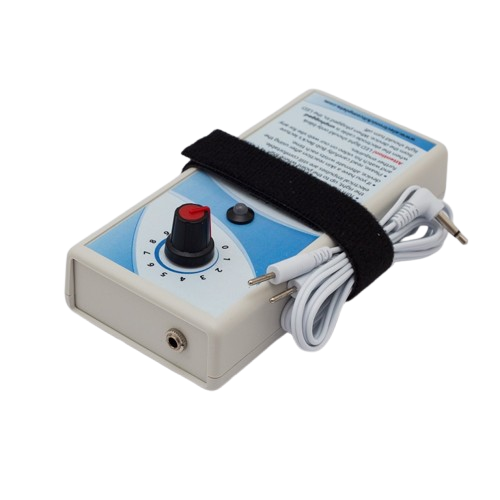
Blood Electrifier Wrist Strap Placement Guide
If your session feels inconsistent, the first thing to check is usually blood electrifier wrist strap placement. A lot of confusion around these devices comes down to simple setup details, and wrist position is one of the biggest. Get the placement right, and you give the device a fair chance to work as intended. Get it wrong, and you may end up with poor contact, uncomfortable sensation, or a session that feels like it is doing very little.
For beginners, this can be surprisingly frustrating. You read one version on a forum, hear another from a seller, and then look at your device wondering whether the straps belong high on the forearm, directly over the wrist joint, or closer to the hand. The good news is that the basic principle is straightforward once you understand what the straps are trying to do.
Blood electrifier wrist strap placement basics
In most Bob Beck-style blood electrification setups, the conductive wrist straps are placed around both wrists so the device can send a low-level pulsed signal through the body using skin contact as the connection point. The goal is not to clamp them anywhere random. The goal is to create stable, comfortable, conductive contact in a practical area that is easy to access and repeat from session to session.
That usually means placing each strap around the wrist area where the conductive pad sits against clean skin and the strap holds it evenly in place. In practical terms, most users position the straps just above the wrist joint rather than directly on the bony center of the joint or too far up the forearm. This tends to provide a better mix of comfort, contact, and consistency.
The placement should feel deliberate, not exact to the millimeter. You do not need to obsess over a perfect anatomical landmark. What matters most is good conductive contact on both wrists, even strap tension, and a stable setup that does not shift during the session.
Where the straps should sit on your wrists
A helpful way to think about placement is to avoid extremes. If the strap sits too low, near the base of the hand, it may rest awkwardly, move around more, or sit partly on uneven contours that reduce contact. If it sits too high up the forearm, it may still function, but it starts moving away from the simple wrist-based placement most users are trying to follow.
For most people, the best spot is slightly above the wrist crease on each arm, with the conductive surface making full contact against the skin. You want the pad to sit flat. If one edge lifts, or the strap twists, current delivery may feel uneven.
Body size, wrist shape, and strap design all matter a little here. Some users have narrower wrists, more prominent bones, or more movement at the joint. That is why there is some room for adjustment. If the recommended position feels awkward, moving the strap slightly up or down while keeping it in the general wrist area is reasonable.
Left wrist or right wrist – does it matter?
With most blood electrifier devices that use two wrist straps, one strap goes on each wrist, and the exact left-right dominance usually matters less than maintaining the correct connection according to the device instructions. In other words, your bigger concern should be that both straps are attached properly and that the leads are connected as intended.
If a specific device manual says the red lead goes to one side and the black lead goes to the other, follow that device guidance. If the manufacturer indicates that side orientation is not critical, then comfort and secure placement become the priority.
How tight the wrist straps should be
This is another place where people overcorrect. Too loose, and the conductive material may not maintain even skin contact. Too tight, and the session may become uncomfortable for the wrong reason.
A good fit is snug but not constricting. The strap should stay in place without sliding around when you relax your hands, but it should not pinch, dig into the skin, or leave you feeling like circulation is being restricted. If you feel pressure rather than simple contact, it is probably too tight.
A properly fitted strap usually feels boring, and that is a good sign. It stays put, makes even contact, and does not become the main thing you notice during the session.
Skin contact matters more than pressure
Many beginners assume tighter means better conductivity. Usually, that is not the issue. Skin preparation and even contact matter more than squeezing harder. Clean skin, properly moistened conductive pads if your setup uses them, and a flat strap position often solve problems that people mistakenly blame on the device itself.
If the sensation is inconsistent from one wrist to the other, check whether one strap is making better contact than the other. A twisted strap or dry pad can create an uneven experience quickly.
Common blood electrifier wrist strap placement mistakes
Most setup problems are simple. The straps are often placed over clothing, on very dry skin, directly on a sharp bony point, or too loosely to stay stable. Sometimes users also reverse the logic of placement and focus on making the wires look neat rather than making the conductive surfaces sit correctly.
Another common mistake is changing too many variables at once. If a session feels weak or uncomfortable, people may move the straps, tighten them, increase settings, and change timing all at the same time. That makes it hard to know what actually fixed the problem.
A better approach is to troubleshoot one factor at a time. First check that each wrist strap is in the wrist area, sitting flat, and making full skin contact. Then check tightness. Then review moisture, lead connection, and device settings.
What a correct setup should feel like
A correctly placed strap setup should feel secure and balanced. Depending on the device and settings, you may feel a mild tingling or pulsing sensation, or very little at all. Stronger sensation does not automatically mean better placement or a better session.
This category can be tricky because users often expect dramatic feedback. In reality, proper use often feels subtle. If the straps are well placed and the device is operating normally, the session may feel uneventful, and that is not necessarily a problem.
If you feel sharp discomfort, burning, numbness from tightness, or clear irritation under the strap area, stop and check placement, skin condition, and settings before continuing.
Safety points before using wrist straps
Because this is an at-home electrotherapy category, responsible use matters. Blood electrifier wrist strap placement is only one part of the setup. You also need to consider whether the device is appropriate for you in the first place.
People with implanted electronic devices such as pacemakers should not use this kind of equipment unless they have been clearly advised by a qualified medical professional. The same goes for anyone who is pregnant, has a seizure history, or has serious cardiac concerns. You should also avoid placing straps over broken, irritated, or damaged skin.
Even among healthy users, it is smart to start conservatively. Follow the device instructions, use the recommended session length, and do not assume that more intensity or longer use is automatically better. In this niche, consistency and proper setup usually matter more than pushing the device aggressively.
Getting consistent results from session to session
If you want repeatable use, repeatable placement matters. That does not mean measuring your wrists with a ruler. It means noticing where the straps feel stable and comfortable, then using that same general position each time.
Many experienced users settle into a routine. They clean the skin, place the straps slightly above the wrist crease, check that the conductive surfaces are flat, tighten them just enough to hold contact, and begin the session. That kind of simple consistency removes a lot of guesswork.
This is also where a focused educational source can help. Blood Electrification Device spends a lot of time clarifying practical setup questions because the small details are often what separate a confusing first experience from a confident one.
When to adjust placement
You do not need to reposition the straps constantly, but you should adjust them if they slip, feel lopsided, create pressure points, or produce uneven sensation. A small change in angle or height on the wrist can improve comfort without changing the overall method.
It is also worth adjusting if your skin is especially dry, your wrists are sweaty, or the pads have worn down. Sometimes what looks like a placement problem is really a contact problem caused by the condition of the strap or pad.
The practical standard is simple. If the straps are on both wrists, slightly above the wrist joint, sitting flat against clean skin, snug without constriction, and connected correctly, you are probably in the right range. From there, minor personal adjustment is normal.
The best setup is usually the one that feels stable, comfortable, and easy to repeat – because a device you can use correctly every time is far more useful than one you are always second-guessing.