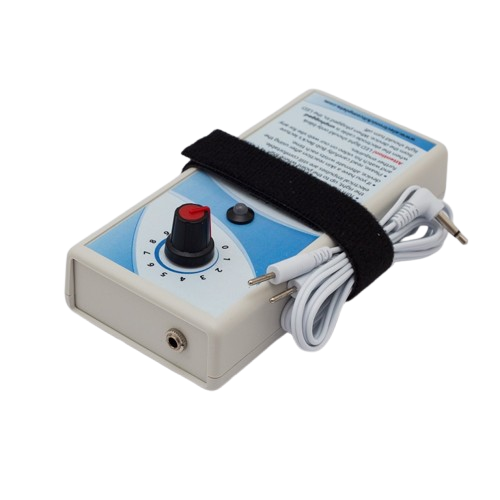
Blood Electrification Detox Symptoms Explained
If you start using a blood electrification device and feel worse before you feel better, that can be unsettling fast. Blood electrification detox symptoms are one of the most searched concerns in this niche for a reason. People want to know whether a headache, fatigue, light nausea, or brain fog means the device is doing something useful, or whether they simply overdid it.
The short answer is that experiences vary a lot. Some users report no noticeable reaction at all. Others describe a temporary adjustment period, especially when they begin a Bob Beck-style routine too aggressively. The tricky part is that not every uncomfortable symptom should be labeled a “detox” response. Sometimes it is just too much session time, poor hydration, sensitivity to stimulation, or a sign to stop and reassess.
What blood electrification detox symptoms usually refer to
In this space, “detox symptoms” is a catchall phrase people use for short-term reactions that show up after starting blood electrification or increasing session time. That can include tiredness, mild headache, dizziness, feeling flu-like, irritability, light muscle aches, trouble concentrating, or needing more rest than usual.
Supporters of the method often frame this as the body adjusting to changes triggered by the protocol. Whether you think of it as a detox response, an adjustment phase, or simply a reaction to a new wellness routine, the practical question is the same: is it mild and temporary, or is it a sign you need to stop?
That distinction matters. A mild, short-lived response is very different from chest discomfort, strong palpitations, severe dizziness, skin irritation that worsens, or anything that feels clearly beyond a normal adjustment. Responsible use starts with paying attention to intensity, not just assuming every symptom is a good sign.
Why blood electrification detox symptoms may happen
There is no single agreed-upon explanation, and that is worth saying plainly. Alternative wellness communities often use the word detox broadly, but reactions can have several causes.
One possibility is that beginners simply start too high. Longer sessions are not automatically better, and sensitive users may react to even moderate stimulation. Another factor is hydration. If someone begins a protocol while already run down, dehydrated, or sleep deprived, even a mild session can feel more dramatic.
There is also the simple reality that expectation shapes interpretation. If you are watching closely for every sensation, normal day-to-day fluctuations can start to feel device-related. On the other hand, some users do seem to notice a real pattern when they start, pause, and restart sessions. That is why a calm, track-it-and-adjust approach usually works better than either blind enthusiasm or instant dismissal.
Common reactions people report
Most reported blood electrification detox symptoms fall into the mild category. Fatigue is probably the most common. Some users feel wiped out for a few hours after a session, especially early on. Headaches are also frequently mentioned, often alongside not drinking enough water.
Brain fog can show up too. That may feel like slower thinking, low motivation, or a heavy, foggy sensation rather than sharp pain. Others describe mild nausea, temporary irritability, or a vaguely flu-like feeling. None of these automatically prove the protocol is working, but they are commonly discussed in this category.
Skin discomfort around electrode placement is a separate issue. Tingling is expected with electrical devices, but burning, persistent redness, or worsening irritation usually points to a setup problem, poor contact, too much intensity, or sessions that are too long.
What is normal and what is not
A useful rule is this: mild, short-term, and improving is one thing. Strong, persistent, or escalating is another.
If symptoms are mild and ease when you shorten sessions, increase hydration, and give your body a rest day, that suggests your routine may simply need adjusting. If symptoms keep getting worse, interrupt your day, or make you feel genuinely unwell, it is not smart to push through just because someone online called it detox.
This is especially important for people who are already medically complex, highly sensitive to stimulation, or managing multiple wellness tools at the same time. When you change several things at once, it becomes almost impossible to know what caused the reaction.
How to reduce detox symptoms without quitting immediately
For most beginners, the best move is not to abandon the protocol at the first sign of discomfort. It is to reduce the load and make the process more controlled.
Start by shortening session length. If you began with the maximum time recommended by a seller, that may be too ambitious for your system. Backing down often helps more than stopping completely. Consistency at a lower intensity tends to be easier to tolerate than pushing hard and then taking long breaks.
Hydration matters more than many users expect. A lot of the complaints grouped under detox symptoms get worse when someone is not drinking enough water. Rest matters too. If you are experimenting with blood electrification while also under stress and sleeping poorly, your body may be less forgiving.
It also helps to keep basic notes. Write down session time, how you felt before, what you felt after, and whether symptoms improved the next day. That gives you something more reliable than memory, and it can quickly show whether you are seeing a true pattern or a one-off bad day.
A smarter beginner approach
People often run into trouble because they treat these devices like more is better. In reality, a conservative start is usually the better path.
Begin with shorter sessions than you think you need. Stay there for a few days before increasing anything. If you feel fine, step up gradually. If you feel off, do less, not more. This sounds simple, but it prevents a lot of the panic that starts when someone jumps in too fast and then worries every symptom means something serious.
This is one area where a focused educational source can help cut through forum confusion. Blood Electrification Device, for example, centers much of its guidance around setup, pacing, and realistic expectations, which is exactly what new users tend to need most.
When to stop and get medical advice
Alternative wellness tools still require common sense. If you experience severe dizziness, chest pain, fainting, significant shortness of breath, an irregular heartbeat that concerns you, or any symptom that feels alarming rather than mildly uncomfortable, stop using the device and seek medical advice.
The same goes for reactions that do not improve when you reduce session time or take a break. A temporary mild headache is one thing. A pattern of worsening symptoms is another.
People with implanted electronic devices, serious heart conditions, seizure disorders, pregnancy, or other major medical concerns should be especially cautious and should not assume general user advice applies to them.
The trade-off most people miss
What throws many beginners is that blood electrification detox symptoms are discussed in two extreme ways online. One side treats every discomfort as proof the method is working. The other side assumes any reaction means the device is inherently bad. Neither view is very useful.
The better approach is more grounded. Some people may have a mild adjustment period. Some may feel nothing. Some may discover the protocol does not agree with them or that their setup needs work. The goal is not to force a story onto every symptom. The goal is to use the device carefully enough that you can tell what is happening.
That means respecting dosage, paying attention to your body, and being willing to scale back. It also means not expecting dramatic reactions. In many wellness routines, the most sustainable path is the least dramatic one.
If you are just getting started, give yourself permission to go slower than the internet tells you to. A calmer, more measured routine usually teaches you more than a harsh first week ever will.