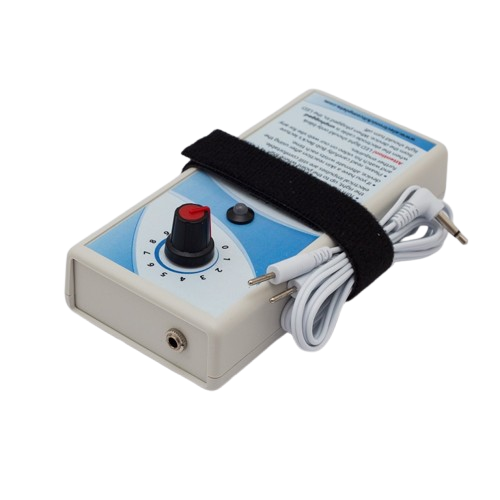
TENS Unit vs EMS Therapy: Key Differences
You can find a TENS device and an EMS device sitting side by side online, both using electrode pads, both sending electrical pulses, and both claiming to help your body feel or perform better. That is exactly why the TENS unit vs EMS therapy question comes up so often. On the surface they look similar. In actual use, they are built for different goals.
If you are researching at-home electrotherapy, this distinction matters. Choosing the wrong device can leave you disappointed, not because the technology is useless, but because you bought pain-focused stimulation when you really wanted muscle activation, or vice versa. Once you understand what each one is trying to do, the whole category gets much easier to sort through.
TENS unit vs EMS therapy: the basic difference
TENS stands for transcutaneous electrical nerve stimulation. EMS stands for electrical muscle stimulation. The shortest way to separate them is this: TENS is generally used to affect nerve signaling related to pain, while EMS is used to create muscle contractions.
That one difference shapes everything else, including the sensation, the ideal use case, pad placement, and the results you should expect. A TENS unit typically sends impulses intended to interfere with pain signals or encourage a more comfortable response in the treated area. An EMS device, on the other hand, is meant to stimulate the muscle itself so it contracts and releases.
This is why people often describe TENS as more soothing, prickly, buzzing, or tapping, while EMS is more likely to feel active, rhythmic, and physically forceful. One is usually about comfort support. The other is usually about muscle work.
How a TENS unit works
A TENS unit uses electrodes placed on the skin near the area of discomfort. The device sends low-voltage electrical impulses through the skin to stimulate nearby nerves. Depending on the settings, that stimulation may reduce how strongly pain signals are perceived, or it may encourage the body to release natural pain-relieving chemicals.
In plain language, TENS is not fixing every root cause of pain. It is usually used as a symptom-management tool. That distinction is important because people sometimes expect dramatic structural changes from a technology that is more often used to make day-to-day discomfort easier to tolerate.
For home users, TENS is commonly considered for sore backs, stiff shoulders, aching joints, and post-exercise discomfort. Results vary. Some people feel relief during the session and for a while afterward. Others need a few sessions to decide whether it is helping. And some simply do not respond strongly to it.
How EMS therapy works
EMS therapy also uses electrode pads on the skin, but the target is different. Instead of focusing mainly on sensory nerves involved in pain signaling, EMS is designed to trigger muscle contractions. The current causes the muscle to tighten and release in repeated cycles.
That makes EMS more relevant for muscle conditioning, muscle re-education, circulation support through repeated contraction, and in some cases recovery settings where a person is trying to engage a muscle more deliberately. It is often discussed in sports recovery, physical rehabilitation, and fitness-related routines.
This is also why EMS can feel more intense than TENS. You are not just sensing electrical stimulation. You are watching or feeling the muscle actually move. For some users, that is reassuring because it feels productive. For others, it is surprising the first time.
When TENS makes more sense
If your main issue is discomfort, TENS is usually the more logical starting point. Someone dealing with recurring neck tension, lower back soreness, or general aches is usually looking for relief, not stronger contractions. In that case, a TENS device matches the goal better.
TENS also tends to be the easier option for beginners who are nervous about electrotherapy. The sensation can usually be adjusted gradually, and many users find it less intimidating than EMS. That does not mean it is weak. It means the purpose is different.
The trade-off is that TENS is not a muscle-building tool. If you buy it hoping for visible toning or active muscle engagement, you will probably be frustrated.
When EMS therapy makes more sense
If your goal is to get a muscle firing, EMS therapy is usually the better fit. That might mean supporting muscle activation after inactivity, adding electrical stimulation to a recovery routine, or using contractions as part of a broader fitness or rehab plan.
EMS is also useful when the question is not, “How do I calm this area down?” but rather, “How do I get this muscle to work?” Those are very different goals, and the device type should reflect that.
The trade-off here is comfort. EMS is not always relaxing. Because it creates contractions, sessions can feel demanding, especially at higher intensities. It also requires more care with pad placement if you want the contraction to target the intended muscle group.
TENS unit vs EMS therapy for pain relief
This is where confusion often shows up. People assume that because EMS stimulates the body, it should also help pain in the same way TENS does. Sometimes muscle stimulation can indirectly help by improving local activity or reducing stiffness, but that is not the same thing as a device designed specifically for pain-focused nerve stimulation.
So if pain relief is the main goal, TENS usually has the clearer lane. EMS may still play a role if the discomfort is tied to weak or underactive muscles, but it is not generally the first category people mean when they are shopping for symptom relief.
For many home users, the simplest approach is to match the device to the primary outcome. If the top priority is feeling better, start with TENS. If the top priority is muscle activation, start with EMS.
Can one device do both?
Yes, some combo devices include both TENS and EMS modes. For the right user, that can be practical. It gives you more flexibility without needing two separate units. If you are the kind of person who wants one device for occasional pain support and muscle stimulation, a dual-mode device may be worth considering.
That said, more features do not always mean a better experience. Some beginners do better with a simpler device that does one job clearly. If menus, programs, and pad maps already feel overwhelming, a straightforward single-purpose unit may actually help you use it more consistently.
Safety matters more than marketing
Both TENS and EMS are often marketed as easy home solutions, and in many cases they are fairly approachable. But electrical stimulation is still something you should use thoughtfully. Read the device instructions carefully, start at a low intensity, and do not assume stronger is always better.
Pads should only be placed as directed by the manufacturer. Avoid using electrotherapy over broken skin, on the front of the neck unless a device specifically directs otherwise, or in ways that conflict with medical guidance. People with pacemakers, implanted electrical devices, seizure disorders, or certain heart conditions should get professional input before use. Pregnancy also calls for extra caution.
If a device causes sharp pain, skin irritation, dizziness, or unusual symptoms, stop using it and reassess. Responsible use matters more than pushing through a bad session.
How to choose the right device for home use
Start with your actual goal, not the most attractive product page. If you want help managing everyday aches, look at TENS-focused devices. If you want visible contractions for training or recovery support, look at EMS devices. If you realistically want both and are comfortable learning the settings, a combo model may make sense.
It also helps to consider your tolerance for complexity. Some users want preset programs and a quick start. Others want adjustable pulse width, frequency, and more control. Neither approach is automatically better. The best device is the one you will understand well enough to use safely and consistently.
For readers already interested in broader electrotherapy categories, this comparison is also a useful reminder that not all electrical wellness devices are trying to achieve the same thing. At Blood Electrification Device, that distinction comes up often. Shared technology does not mean shared purpose.
The real takeaway on TENS unit vs EMS therapy
The best way to think about TENS unit vs EMS therapy is not which one is better overall, but which one is better for the result you want. TENS is generally the more natural choice for pain-focused support. EMS is generally the better choice for muscle contraction and activation. Some people benefit from having access to both, but very few benefit from guessing.
When you slow down, match the tool to the goal, and use it with realistic expectations, electrotherapy gets much less confusing. That is usually the point where better decisions start.