Traction Machine: How It Works for Pain Relief
That constant, nagging pain in your back or neck can feel like a life sentence. When you’re tired of relying on medication that only masks the problem, and the thought of surgery is frankly terrifying, it’s easy to feel stuck. You start to wonder if there’s a real, lasting solution out there. What if you could gently and mechanically create space in your spine, relieving the painful pressure on your nerves and discs? This is the simple, powerful idea behind a traction machine, a device designed to offer a non-surgical path toward genuine relief.
In this guide, we’re going to pull back the curtain on this often-misunderstood therapy. We’ll break down exactly how it works in simple terms, explore the different types of traction devices you can use, and look at the honest benefits and potential risks. My goal is to give you the clear information you need to feel confident and decide if traction is the right approach to help you manage your pain and get back to living your life.
Key Takeaways
- Discover how gentle, mechanical stretching-known as spinal decompression-can create space between your vertebrae to relieve nagging pressure.
- Identify the main types of traction devices and learn how to match the right one to your specific area of pain, whether it’s in your neck or lower back.
- See how a traction machine promotes your body’s natural healing process by boosting circulation and nutrient flow to damaged spinal discs.
- Determine if at-home traction is a safe option for you by understanding the key conditions where it should be avoided.
What is a Traction Machine and How Does it Relieve Pain?
At its core, a traction machine is a device designed to apply a gentle, mechanical pulling force to the body-a method that has been used in medicine for centuries. While the technical history is complex, you can read about the foundational principles of Traction (orthopedics) to understand its background. For modern back and neck pain relief, the concept is simple: it gently stretches the spine in a controlled way.
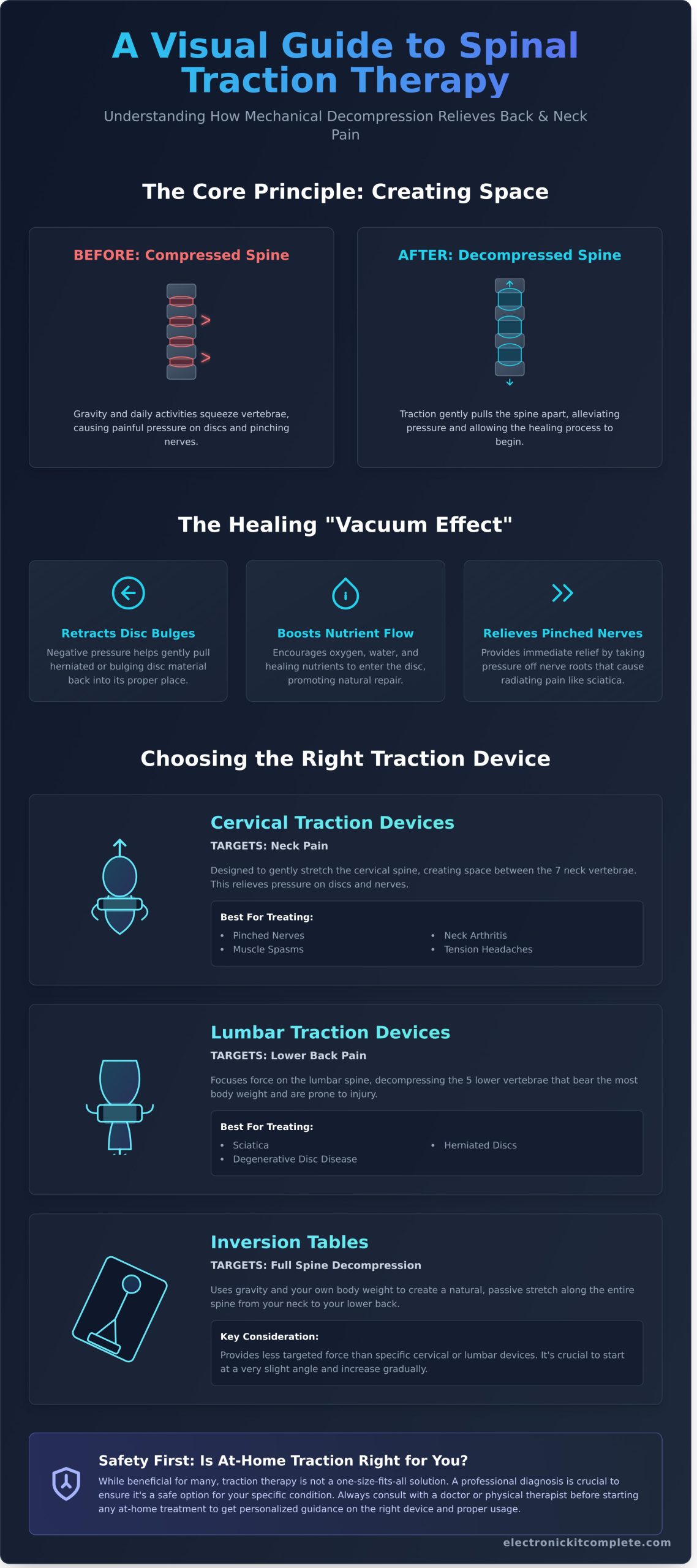
Think of your spine like an accordion. Over time, gravity, poor posture, and daily activities compress it, squeezing the pleats (your vertebrae) together. Traction therapy works to gently pull that accordion apart. This creates space, and that space is the key to relief. The primary goal is to alleviate the intense pressure on your spinal discs and any nerves that might be pinched or irritated. It’s a targeted, mechanical process, far more specific and controlled than simple stretching or massage.
The Basic Principle: Decompression Therapy
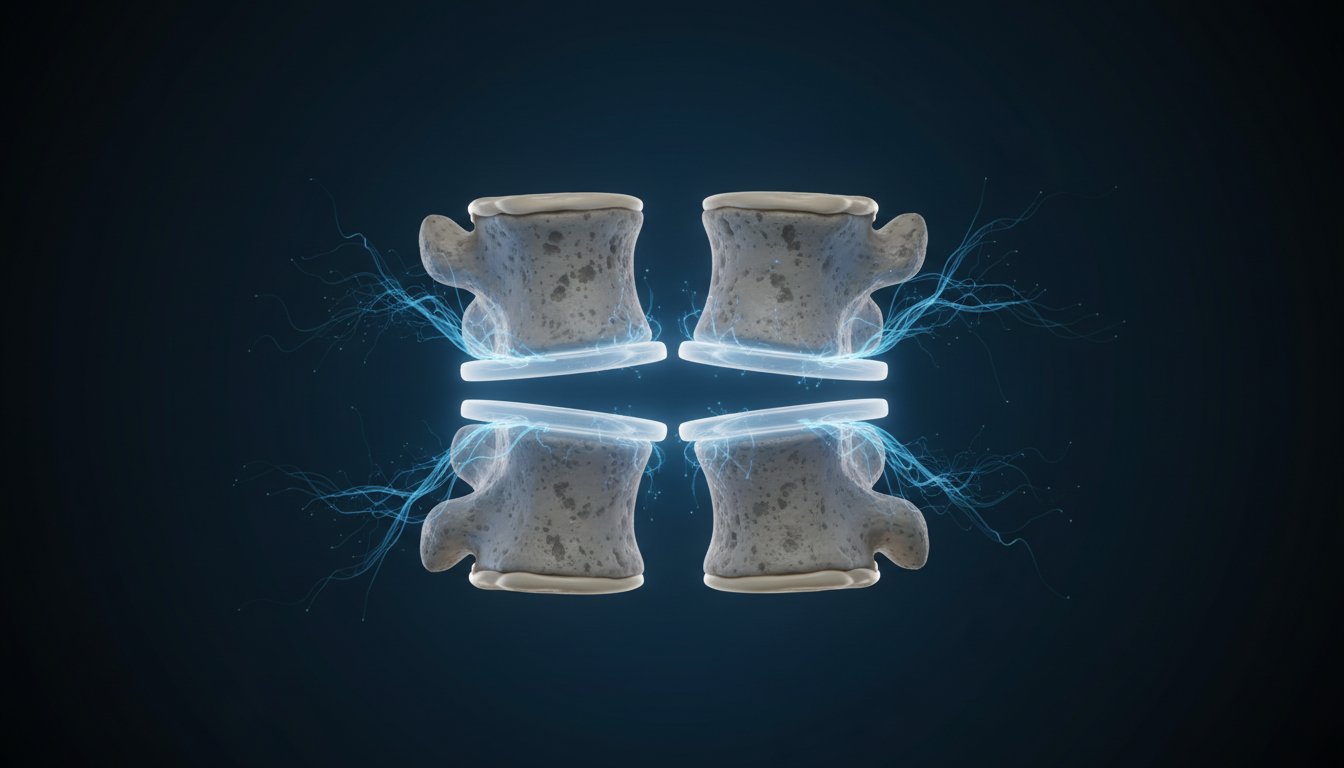
Every day, the force of gravity weighs down on your spine, compressing the gel-like discs that sit between each vertebra. This constant pressure can cause discs to bulge, herniate, or lose moisture, leading to pain and stiffness. Spinal traction counters this by creating negative pressure inside the disc itself.
This “vacuum effect” is powerful because it can achieve several things at once:
- It can help gently pull the material from a bulging or herniated disc back into its proper place.
- It encourages the flow of healing nutrients, oxygen, and water back into the disc, which is essential for repair.
- It provides immediate relief by taking pressure off pinched nerves, which are often the source of sharp, radiating pain like sciatica.
Traction at a Clinic vs. at Home
You will often find sophisticated, computer-controlled traction tables in a physical therapist’s or chiropractor’s office. These clinical-grade machines allow for precise control over the angle and force of the pull. For many people, however, the journey continues at home. Home traction devices are designed for ongoing management and maintenance, allowing you to continue your therapy conveniently. It’s important to remember that using a home traction machine should ideally be done after a diagnosis and with guidance from a healthcare professional who can recommend the right type and usage for your specific condition.
The Main Types of Traction Machines Explained
When searching for a traction machine, the most important question is simple: where does it hurt? These devices are not one-size-fits-all. They are specifically designed to target different areas of the spine, so choosing the right type is the first step toward finding relief. The location of your pain-be it your neck, lower back, or general spinal stiffness-will guide you to the correct solution.
Cervical Traction Devices for Neck Pain
If you suffer from pinched nerves, neck arthritis, or persistent muscle spasms, a cervical traction device is designed for you. These units focus on gently stretching the cervical spine (your neck). There are several types, including simple over-the-door pulley systems, pneumatic devices that use an air pump for precise control, and posture pumps that help restore the natural curve of the neck. There are many evidence-based cervical traction techniques, but they all aim to create space between the vertebrae. This relieves pressure on discs and nerves, which can even reduce headaches caused by neck tension.
Lumbar Traction Devices for Lower Back Pain
For pain centered in the lower back, a lumbar traction device is the appropriate choice. These machines target the lumbar spine, which carries the most body weight and is susceptible to conditions like sciatica, herniated discs, and degenerative disc disease. Common types range from professional-grade traction tables to at-home back stretchers and systems that use a pelvic harness to isolate the stretching force. By decompressing the lower vertebrae, these devices can take pressure off the sciatic nerve, often alleviating the sharp, radiating pain that travels down the leg.
Inversion Tables: A Popular Form of Traction
Inversion tables offer a different approach by using gravity and your own body weight to decompress the entire spine at once. By securing your ankles and tilting backward, you allow gravity to create a natural, passive stretch from your neck to your lower back. While excellent for general decompression and stretching, this type of traction machine provides less targeted force than a specific cervical or lumbar device. If you use one, it’s crucial to start at a very slight angle and gradually increase it as you get comfortable.
| Device Type | Target Area | Best For Treating |
|---|---|---|
| Cervical Traction | Neck (Cervical Spine) | Pinched nerves, neck arthritis, tension headaches |
| Lumbar Traction | Lower Back (Lumbar Spine) | Sciatica, herniated discs, degenerative disc disease |
| Inversion Table | Full Spine (General) | General spinal stiffness, overall decompression |
The Science Simplified: How Traction Promotes Healing
While stretching on a traction machine feels good, the relief you experience is more than just a simple stretch. The gentle, controlled pulling force triggers a cascade of positive physiological changes inside your spine. It’s not about forcing anything back into place; it’s about creating the ideal environment for your body to heal itself. Let’s break down the two primary ways traction works to alleviate pain and promote recovery.
Reducing Pressure on Nerves and Discs
Think of your spinal discs as small, jelly-filled cushions between your vertebrae. Over time, gravity and daily activities can compress these discs, causing them to lose height and bulge outwards. When a disc bulges, it can press directly on the sensitive nerve roots that exit your spinal column, leading to sharp pain, sciatica, tingling, or numbness down your arms or legs. A traction machine works by gently separating the vertebrae. This action creates negative pressure within the disc, which can help draw the bulging material back toward the center, away from the nerve. This widening of the space where nerves exit is a core principle of how practitioners use spinal traction for pain relief, providing often immediate relief from nerve-related symptoms.
Improving Circulation and Nutrient Flow
Unlike muscles, your spinal discs have a very poor blood supply. They rely on a process of fluid exchange from the surrounding bone to receive nutrients and get rid of waste. When your spine is compressed, this vital exchange slows down, hindering the disc’s ability to repair itself. The oscillating pull-and-release motion of traction therapy acts like a pump. This “pumping” action forces out inflammatory fluids and metabolic waste products from the disc while simultaneously pulling in fresh water, oxygen, and the nutrients necessary for healing. This process not only helps soothe current inflammation but also supports long-term disc health by keeping them hydrated and resilient.
Common Conditions Treated with Traction Therapy
While spinal traction can offer profound relief, it’s a targeted therapy, not a one-size-fits-all solution. It’s designed to address specific structural issues causing pain and dysfunction. For this reason, it is absolutely essential to receive a proper diagnosis from a qualified healthcare professional before beginning treatment. They can determine if your condition is suitable for decompression and help you see traction as one powerful component within a comprehensive wellness plan.
For the Lower Back (Lumbar Spine)
Much of the chronic pain people experience in their lower back stems from years of compression. Lumbar traction aims to gently and methodically reverse this force, creating space and alleviating pressure. It is commonly recommended for:
- Sciatica: By decompressing the lumbar spine, traction can relieve the direct pressure on the sciatic nerve root that causes radiating pain down the leg.
- Herniated or Bulging Discs: The gentle pulling force creates negative pressure within the disc, which can help draw the bulging or herniated material back into place and away from nerve structures.
- Degenerative Disc Disease: Traction helps to rehydrate the spinal discs by encouraging the flow of nutrient-rich fluids, potentially slowing the degenerative process.
- Spinal Stenosis: For some types of stenosis, traction can temporarily increase the space within the spinal canal, reducing nerve impingement.
For the Neck (Cervical Spine)
The neck carries a heavy burden, and compression here can lead to a wide range of symptoms. A cervical traction machine works on the same principles as lumbar traction, just on a smaller, more delicate scale. It is often used to address:
- Pinched Nerves (Cervical Radiculopathy): By stretching the cervical spine, traction opens up the foramina (the small windows where nerves exit the spine), freeing a compressed or “pinched” nerve.
- Neck Arthritis (Spondylosis): The gentle stretching can help increase mobility in stiff, arthritic joints and relieve the pain associated with them.
- Muscle Spasms: Traction gently elongates tight, spasming muscles in the neck and upper back, encouraging them to relax.
- Tension Headaches: For headaches originating from tightness in the neck (cervicogenic headaches), traction can relieve pressure at the base of the skull and ease muscle tension.
Ultimately, think of traction therapy as a way to create space-space for your nerves to function without irritation, for your discs to heal, and for your muscles to finally relax. Understanding the root mechanical cause of your pain is the first step toward finding a true solution. As you continue on your path to wellness, exploring different healing modalities and tools is a vital part of taking back control. For those interested in a wider range of wellness technologies, you can find more information at electronickitcomplete.com.
Safety First: Is a Home Traction Machine Right for You?
The idea of using a device to gently stretch your spine can be powerful, but it’s natural to wonder, “Is this actually safe for me?” The answer is that while traction therapy can be a fantastic tool for many, it is absolutely not a one-size-fits-all solution. Your well-being comes first, and that means understanding if this approach is truly right for your body before you begin.
Empowering yourself with the right information is the most important first step. This isn’t about guesswork; it’s about making a safe, informed decision for your long-term health.
When to Consider Traction Therapy
Traction is generally best suited for chronic, mechanical pain-the kind of persistent discomfort from compressed joints or discs, not a sudden, acute injury. It’s often considered a conservative step when recommended by a healthcare professional, providing a potential alternative to more invasive treatments. As you weigh your options, we encourage you to explore our resources on alternative health solutions for a broader view on managing your well-being.
Important Contraindications: Who Should Avoid Traction?
This is the most critical part. Using a traction machine when you have certain underlying conditions can be ineffective and even dangerous. This is not an exhaustive list, but you should avoid traction therapy if you have any of the following:
- Recent fractures, sprains, or acute spinal injuries
- Spinal tumors, infections, or metastatic disease
- Severe osteoporosis, as the stretching force could cause a fracture
- Conditions causing joint instability, like advanced rheumatoid arthritis
- Pregnancy
- Certain cardiovascular conditions or abdominal hernias
Applying force to a spine that is already compromised by one of these issues can cause serious harm. This is precisely why professional medical advice is non-negotiable. A doctor or physical therapist can give you an accurate diagnosis, rule out contraindications, and confirm if a traction machine is a safe and appropriate tool for your personal pain relief journey.
Take Control of Your Spinal Health
We’ve seen how traction therapy offers a powerful, mechanical solution to debilitating back and neck pain. By gently creating space between your vertebrae, it alleviates pressure on pinched nerves and bulging discs, encouraging your body’s natural healing processes. Understanding that the right traction machine can be a transformative part of your wellness toolkit is the first step toward relief, especially when used with guidance from a professional.
This principle of using physical forces to restore health is just one piece of the puzzle. If you’re passionate about finding effective, non-invasive wellness tools that work with your body, then your journey is just beginning. There is a whole world of alternative health technologies to discover, many of them based on the simple but profound principles of bio-electricity.
We encourage you to empower yourself with knowledge. Explore more non-drug approaches to health and wellness. Your path to a healthier, pain-free life is in your hands.
Frequently Asked Questions About Traction Machines
Does using a traction machine hurt?
No, it really shouldn’t. Proper traction feels like a deep, relieving stretch, not a sharp pain. Think of it as gently creating space in your spine. If you feel any sharp, shooting, or increasing pain, that’s your body’s signal to stop immediately and reduce the force. The goal is relief, and pain is counterproductive. Always start with a very low setting and listen carefully to what your body is telling you. Comfort is key.
How long should a typical traction session last?
Most people find the sweet spot is between 10 to 15 minutes per session. If you’re just starting out, I’d suggest beginning with just 5 minutes to see how your body responds. You can gradually work your way up as you get more comfortable. It’s better to do a shorter, effective session than to overdo it and cause irritation. Consistency is more important than duration, especially in the beginning when your body is adapting.
How often should I use a traction machine to see results?
For most people, consistency is what brings results. Starting with one session per day is a great goal. Some find relief with just 3-4 sessions per week, while others prefer a short session in the morning and another before bed. The key is to find a rhythm that works for you and your schedule. It’s not about marathon sessions; it’s about regularly giving your spine that gentle, healing space to decompress and recover.
What’s the difference between using a machine at home versus at a physical therapist’s office?
A physical therapist uses a clinical-grade traction machine that allows for very precise angles and forces, all under their direct supervision. It’s a powerful tool. A home unit is designed for convenience and consistent, gentle maintenance. It gives you the power to manage your symptoms daily, on your own schedule, without appointments. Think of the PT’s machine for intensive, guided therapy and the home machine as your reliable tool for daily upkeep and relief.
Can a traction machine fix a herniated disc permanently?
The term “fix” can be misleading. A traction machine can’t magically put a herniated disc back in place. What it does is create negative pressure, which can help draw the bulging material back and bring healing nutrients to the area. For many, this provides significant, long-term relief and helps the body heal itself. It’s a powerful management tool that can stop the pain cycle, but it’s not a guaranteed permanent cure for the underlying issue.
Are there any side effects of using a traction machine?
Generally, a traction machine is very safe when used correctly. The most common issue is some muscle soreness or spasms if you use too much force or go for too long, especially at first. This is just your body adjusting. To avoid this, always start with low force and short durations. If you have specific conditions like osteoporosis, fractures, or tumors, you must talk to a licensed healthcare professional before trying traction. It’s just common sense.