How to Get Rid of a Headache Without Medicine: 15 Natural & Fast-Acting Methods
When a headache strikes, it can feel like your entire world shrinks to the size of that pulsing pain inside your head. The usual response is to reach for a bottle of pills, but if you’re tired of the side effects and frustrated that the pain just keeps returning, you’ve probably searched for a better way. You’re not alone in wanting to know how to get rid of a headache without medicine. It’s a frustrating cycle that can leave you feeling powerless, searching for a real solution that doesn’t just mask the symptoms for a few hours.
The good news is that you have more power over your pain than you think. In this guide, I’m going to share 15 practical, drug-free methods you can use for fast-acting relief, often in just a few minutes. More than just a quick fix, you’ll discover simple, actionable habits to understand the root causes of your headaches and help prevent them from coming back. It’s time to trade that feeling of frustration for one of empowerment and reclaim your well-being, one clear-headed day at a time.
Immediate Physical Relief You Can Try Right Now
When a headache strikes, your first instinct might be to reach for a pill bottle. But what if you could interrupt the pain signals right now, using only your hands? The following techniques are a powerful first line of defense, showing you how to get rid of a headache without medicine by targeting the direct physical causes: muscle tension and blood flow. They require no special equipment and can be done at your desk, on the couch, or wherever you are when pain begins.
Apply a Cold or Warm Compress
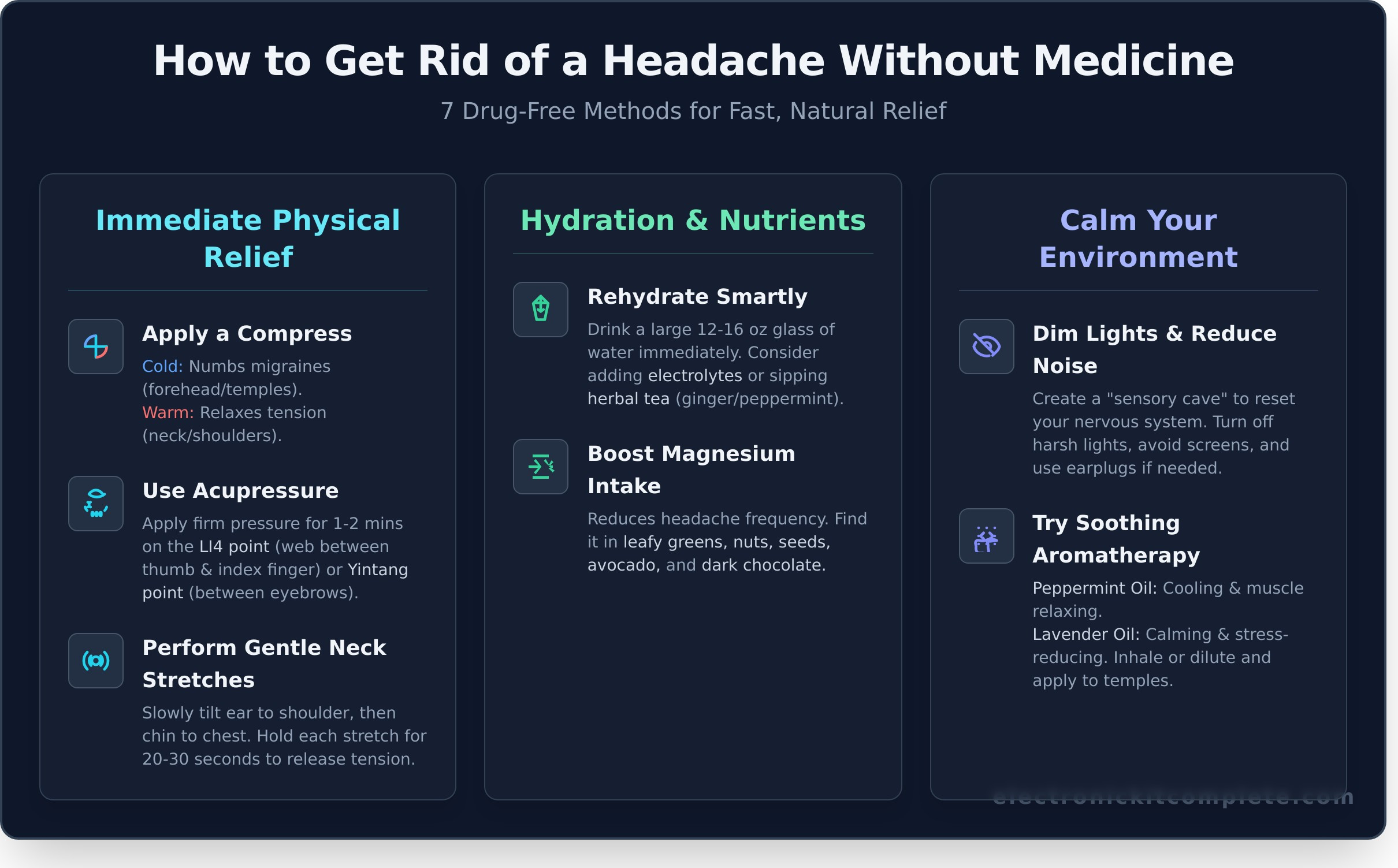
The choice between hot and cold is a personal one, but it often depends on the type of headache you have. A cold compress or ice pack applied to the forehead or temples can have a numbing effect and constrict blood vessels, a process that brings relief to many who suffer from migraines. Conversely, a warm compress or heating pad applied to the back of the neck or shoulders can be incredibly effective for tension headaches, as the warmth helps relax tight, knotted muscles that are often the root cause of the pain.
Use Acupressure on Key Pressure Points
Acupressure is a traditional technique believed to stimulate the body’s natural healing capabilities. Many people find immediate relief by targeting specific points. Try this now:
- The LI4 Point: Locate the fleshy web of muscle between your thumb and index finger. Using the thumb and finger of your opposite hand, apply firm, circular pressure for 1-2 minutes. Repeat on the other hand.
- The Yintang Point: Gently press the point directly between your eyebrows for about one minute to help relieve eye strain and sinus pressure that can trigger headaches.
Perform Gentle Neck Stretches
Hours spent hunched over a desk or phone is a major contributor to tension headaches. Releasing this strain can be a simple and effective way to find relief. Remember to move slowly and avoid any sharp or painful motions. These gentle stretches are part of a wider approach, similar to physical therapy, which is one of the many non-drug therapies for chronic headaches available. Gently tilt your head to bring your ear toward your shoulder, holding for 20-30 seconds before switching sides. Then, slowly tuck your chin to your chest to feel a light stretch down the back of your neck.
The Power of Hydration and Key Nutrients
Before you reach for any external remedy, it’s worth looking inside. Often, the answer to how to get rid of a headache without medicine is simpler than we think. One of the most common yet overlooked triggers is simple dehydration. When your body loses too much fluid, your brain can temporarily contract or shrink, pulling away from the skull. This physical pressure is a direct cause of that familiar throbbing pain. By addressing your body’s basic needs for water and minerals, you can often stop a headache in its tracks by tackling the problem at its source.
Rehydrate with More Than Just Water
At the first hint of a headache, your immediate first step should be to drink a large, 12-16 ounce glass of water. But don’t stop there. Continue sipping water throughout the day to prevent the headache from returning. Sometimes, especially after sweating, water alone isn’t enough because you’ve also lost essential minerals. While plain water is a great start, many headache relief tips suggest that restoring lost minerals is just as important. Consider an electrolyte powder, a glass of coconut water, or even a soothing herbal tea like ginger or peppermint, which can both hydrate and calm your system.
Boost Your Magnesium Intake
Think of this as a long-term strategy for headache prevention. Magnesium is a powerhouse mineral that plays a vital role in over 300 biochemical reactions in your body, including nerve transmission and muscle function. Research has shown that many people, especially those who suffer from frequent migraines, are deficient in magnesium. While it won’t stop an active headache instantly, ensuring you get enough can dramatically reduce their frequency and severity. You can find this essential nutrient in many common foods:
- Dark Leafy Greens: Spinach and Swiss chard are excellent sources.
- Nuts and Seeds: Almonds, pumpkin seeds, and cashews are packed with magnesium.
- Dark Chocolate: A small square of high-quality dark chocolate (70% cacao or more) can be a beneficial treat.
- Avocado: This creamy fruit is another fantastic source.
Focusing on hydration and key nutrients is a foundational step in learning how to get rid of a headache without medicine, giving your body the core building blocks it needs to function without pain.
Calm Your Environment and Your Mind
When a headache strikes, it’s often your body’s way of telling you that it’s overloaded. The constant barrage of bright lights, loud sounds, and mental stress can tighten muscles in your neck and shoulders and trigger a painful response in your brain. One of the most effective methods for how to get rid of a headache without medicine is to give your nervous system a chance to reset. By creating a peaceful space, you address the root cause of many tension and migraine headaches: sensory overload.
Dim the Lights and Reduce Noise
Sensitivity to light, often called photophobia, is a classic symptom that can make a headache feel much worse. Your first step should be to retreat into a “sensory cave.” Turn off harsh overhead lights, pull the blinds, and step away from all screens-your computer, TV, and phone are not your friends right now. If you can’t escape ambient noise, a simple pair of earplugs can provide the silence your brain is craving.
Try Soothing Aromatherapy
Certain scents have a powerful and direct effect on our nervous system. For headaches, two essential oils are particularly helpful:
- Peppermint Oil: The menthol in peppermint creates a cooling sensation that can help relax tense muscles.
- Lavender Oil: Well-known for its calming properties, lavender can help ease stress and promote relaxation.
You can inhale the scent directly from the bottle or use a diffuser to fill your quiet space. If applying to the skin, always dilute a few drops with a carrier oil like coconut or almond oil and gently massage it onto your temples.
Practice Mindful Breathing
Stress often leads to shallow breathing, which reduces the oxygen supply to your brain and can worsen a headache. A simple, controlled breathing exercise can quickly lower your heart rate and calm your mind. Sit comfortably, close your eyes, and follow this pattern:
- Inhale slowly and deeply through your nose for a count of four.
- Hold your breath gently for a count of four.
- Exhale slowly through your mouth for a count of six.
Repeat this cycle for several minutes. This simple practice is a powerful tool for anyone learning how to get rid of a headache without medicine by restoring balance to the body.
Lifestyle Habits for Long-Term Headache Prevention
While quick relief methods are essential, the real power lies in shifting from a reactive approach to a proactive one. The ultimate goal is to reduce how often headaches happen in the first place. This isn’t about complicated protocols; it’s about building simple, consistent habits that support your body’s natural balance. By focusing on the foundational pillars of health-sleep, movement, and awareness-you can learn how to get rid of a headache without medicine by preventing it from ever starting.
Prioritize a Consistent Sleep Schedule
Your body thrives on routine. Both too little and too much sleep can be a significant trigger for tension headaches and migraines because it disrupts your body’s internal clock, or circadian rhythm. Aim for 7-9 hours of quality sleep per night. More importantly, try to go to bed and wake up around the same time every day, even on weekends. This consistency stabilizes your neurochemicals and hormones, making your system far more resilient to headache triggers.
Be Mindful of Your Posture
In our modern world, many of us spend hours hunched over a desk or a phone. This constant forward-head position, often called ‘tech neck,’ places immense strain on the muscles in your neck, shoulders, and upper back. This muscular tension is a direct cause of many tension headaches. Make a conscious effort to sit up straight, with your shoulders back and your ears aligned over your shoulders. Set a timer to get up and stretch every 30-60 minutes, and ensure your computer monitor is at eye level to keep your neck in a neutral position.
Keep a Headache Diary to Find Your Triggers
Knowledge is your greatest tool for prevention. You might be surprised to find specific patterns you’ve never noticed before. For a few weeks, keep a simple log. When a headache occurs, note the following:
- The Time: When did it start and end?
- The Details: What did you eat or drink in the hours leading up to it?
- The Activities: Were you stressed, staring at a screen, or did the weather change?
- The Intensity: Rate the pain on a scale of 1-10.
This information is invaluable. Over time, you’ll become your own health detective, uncovering the unique triggers you need to manage. This personal insight is the key to understanding how to get rid of a headache without medicine for the long term. This journey of self-discovery and personal empowerment is at the heart of what we believe in at Electronic Kit Complete.
Exploring Other Non-Drug Therapies
When simple home remedies don’t provide lasting relief, it’s often a sign to look deeper. For those with persistent or recurring headaches, the answer may not be another pill but an approach that works with the body’s own incredible healing systems. These therapies explore the fundamental connection between our physical structure, nerve function, and overall well-being. This is a key part of learning how to get rid of a headache without medicine for the long term by addressing root causes instead of just symptoms.
The Principles of Massage and Bodywork
Chronic tension in the neck, shoulders, and upper back is a primary culprit for many headaches, especially tension-type headaches. Therapeutic massage goes beyond simple relaxation. A skilled practitioner can identify and release specific “trigger points”—tight knots in muscle fibers that can refer pain directly to the head. This targeted approach not only eases immediate discomfort but also improves blood flow and promotes deep relaxation, helping to break the cycle of pain. Regular bodywork can be a powerful preventative tool.
An Introduction to Electrical Stimulation Concepts
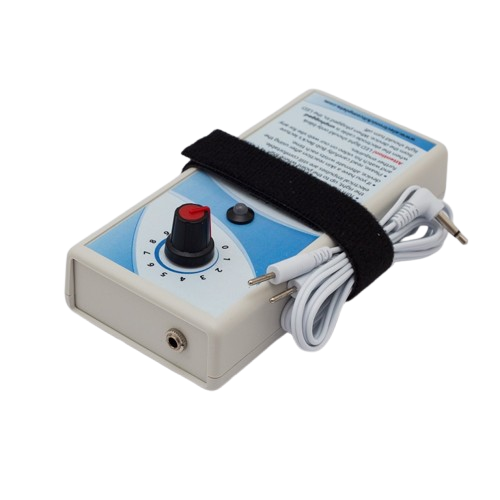
Many people don’t realize that our bodies run on a subtle electrical communication system. Every signal from your brain, every heartbeat, and every muscle movement involves tiny electrical impulses. It’s a fascinating and often overlooked aspect of our biology. Some therapies have been developed to interact with this system, using gentle electrical pulses to help restore balance and interrupt pain signals before they reach the brain.
You may have heard of TENS (Transcutaneous Electrical Nerve Stimulation) units, which are commonly used for localized pain relief. These devices work on a similar principle. But this field goes much deeper, exploring how specific external frequencies might support the body’s overall wellness and resilience. It’s about giving your body the right information to help it heal itself, offering another powerful method for how to get rid of a headache without medicine.
This is a powerful area of natural health that puts control back in your hands. Curious about the role of bio-electricity in wellness? Explore the research.
Your Path to Natural Headache Relief
Navigating headache pain doesn’t always require a trip to the medicine cabinet. As we’ve shown, learning how to get rid of a headache without medicine is about empowering yourself with knowledge and simple, effective techniques. From the immediate relief of a cold compress and targeted pressure points to the long-term benefits of proper hydration and a calm environment, you have a powerful toolkit at your disposal. These strategies put you back in control, allowing you to listen to your body and respond with natural, supportive care.
If this journey of self-care resonates with you, consider exploring what lies beyond these foundational habits. We are part of a community dedicated to alternative health discovery, reviving the forgotten research of innovators like Bob Beck. From our European workshop, we build and ship non-invasive wellness technologies worldwide, helping people find new paths to well-being. We believe in sharing what we’ve learned. Learn more about non-invasive wellness technologies and join us in taking health back into your own hands.
Frequently Asked Questions
How long does it take for natural headache remedies to work?
The speed of relief really depends on the remedy and the cause of your headache. For instance, rehydrating can start to ease a dehydration headache within 30 minutes to an hour. A cold compress or a simple scalp massage can provide more immediate, localized relief. The key to understanding how to get rid of a headache without medicine is to remember these methods support your body’s natural balance, so while some work fast, others may take a little more time.
What are the most common food triggers for headaches?
Many people find a direct link between their diet and their headaches. Some of the most frequently reported triggers include aged cheeses, processed meats containing nitrates (like bacon or hot dogs), and foods with the additive MSG. For others, chocolate, red wine, and excessive caffeine can be the culprit. Keeping a simple food journal for a few weeks is an excellent way to discover your own personal triggers and learn what to avoid for lasting relief.
Is caffeine good or bad for a headache?
It’s a double-edged sword. In small doses, caffeine can be beneficial as it helps constrict blood vessels in the brain, which can alleviate pain from certain types of headaches. That’s why it’s a common ingredient in many pain relievers. However, if you’re a heavy coffee drinker, your headache could be a symptom of caffeine withdrawal. Too much can also trigger a headache. It’s all about finding the right balance for your body.
When should a headache be a reason to see a doctor immediately?
While most headaches aren’t dangerous, certain signs warrant immediate medical attention. You should see a doctor right away if you experience a sudden, severe headache often described as “the worst of your life.” Other red flags include a headache accompanied by a stiff neck, high fever, confusion, vision changes, weakness, or trouble speaking. Trust your instincts; if a headache feels different or more severe than anything you’ve had before, it’s best to get it checked out.
Can stress alone really cause a severe headache?
Absolutely. Stress is one of the most powerful and common triggers for tension-type headaches and even migraines. When you are under emotional or mental strain, your body releases hormones like cortisol and adrenaline, causing muscles to tense up and blood vessels to change. This physical reaction can directly result in significant head pain. This is why so many methods for how to get rid of a headache without medicine focus on relaxation and mindfulness techniques.
Are some people just more prone to getting headaches than others?
Yes, it’s not your imagination. There is a strong genetic component, particularly with migraines. If headaches run in your family, you are more likely to experience them yourself. Additionally, factors like hormonal fluctuations, especially for women, and having a more sensitive nervous system can make you more susceptible. Certain people are simply more reactive to common triggers like changes in weather, strong smells, or lack of sleep due to their unique biology.