Electrotherapy: A Beginner’s Guide to Electrical Healing
The world of electrical healing can feel like a maze of confusing terms and bold claims. You see words like TENS, EMS, and microcurrents, and it’s hard to know what’s a proven medical treatment and what might be ‘snake oil.’ If you’ve ever felt overwhelmed by the technical jargon or wondered if at-home devices are even safe, you’re not alone. This is a common starting point for anyone exploring the potential of electrotherapy.
My goal with this guide is to give you a simple, clear map. We’ll cut through the confusion and explain exactly how these technologies work, from the devices you see in a physiotherapist’s office to the personal wellness tools developed by pioneers like Dr. Bob Beck. I want to share what I’ve learned on my own journey, breaking down the science in a way that makes sense, so you can feel empowered, not intimidated.
You’ll learn the key differences, understand the principles behind the Bob Beck protocol, and gain the confidence to know what to look for if you’re considering an at-home device. Let’s demystify electrical healing together.
What Is Electrotherapy? From Ancient History to Modern Wellness
What if I told you that long before modern pharmacies and advanced surgery, Roman physicians used a surprising tool to treat persistent headaches and gout? They would place a live electric torpedo fish on a patient’s body, using its natural electrical discharge for relief. This wasn’t magic; it was an early and intuitive form of what we now call electrotherapy.
At its core, electrotherapy is the use of controlled electrical energy for therapeutic purposes. It’s not about delivering a harsh shock, but rather about communicating with your body in a language it already understands. It’s a science built on a simple, powerful truth: our bodies are fundamentally electrical.
While this principle is widely used in mainstream physical therapy clinics for pain management and muscle rehabilitation, a growing movement of independent researchers and wellness advocates are rediscovering its broader potential. They are looking beyond the clinic and exploring how these principles can be applied for total-body wellness.
The Basic Principle: How Electricity Interacts with the Body
Think of your nervous system as the body’s intricate wiring. Your nerves transmit information using tiny electrical signals, and your muscles contract based on electrical impulses sent from the brain. Electrotherapy devices work by introducing gentle, specific electrical currents to interact with this system. These currents can help to:
- Interrupt pain signals being sent to the brain.
- Stimulate muscle tissue to contract, which can aid in recovery.
- Support the body’s natural cellular communication and healing processes.
A Brief History: Not a New-Age Fad
The use of electricity for healing is far from a modern invention. As we saw with the Romans, ancient cultures harnessed nature’s electricity for health. The 18th and 19th centuries saw a massive boom in “medical electricity,” with doctors and inventors exploring its potential for a huge range of ailments. The long and fascinating history of Electrotherapy shows its evolution from a medical curiosity into a staple of modern physical therapy and a powerful tool for those in the alternative health community seeking to take control of their own wellbeing.
Mainstream vs. Alternative Electrotherapy: Understanding the Two Worlds
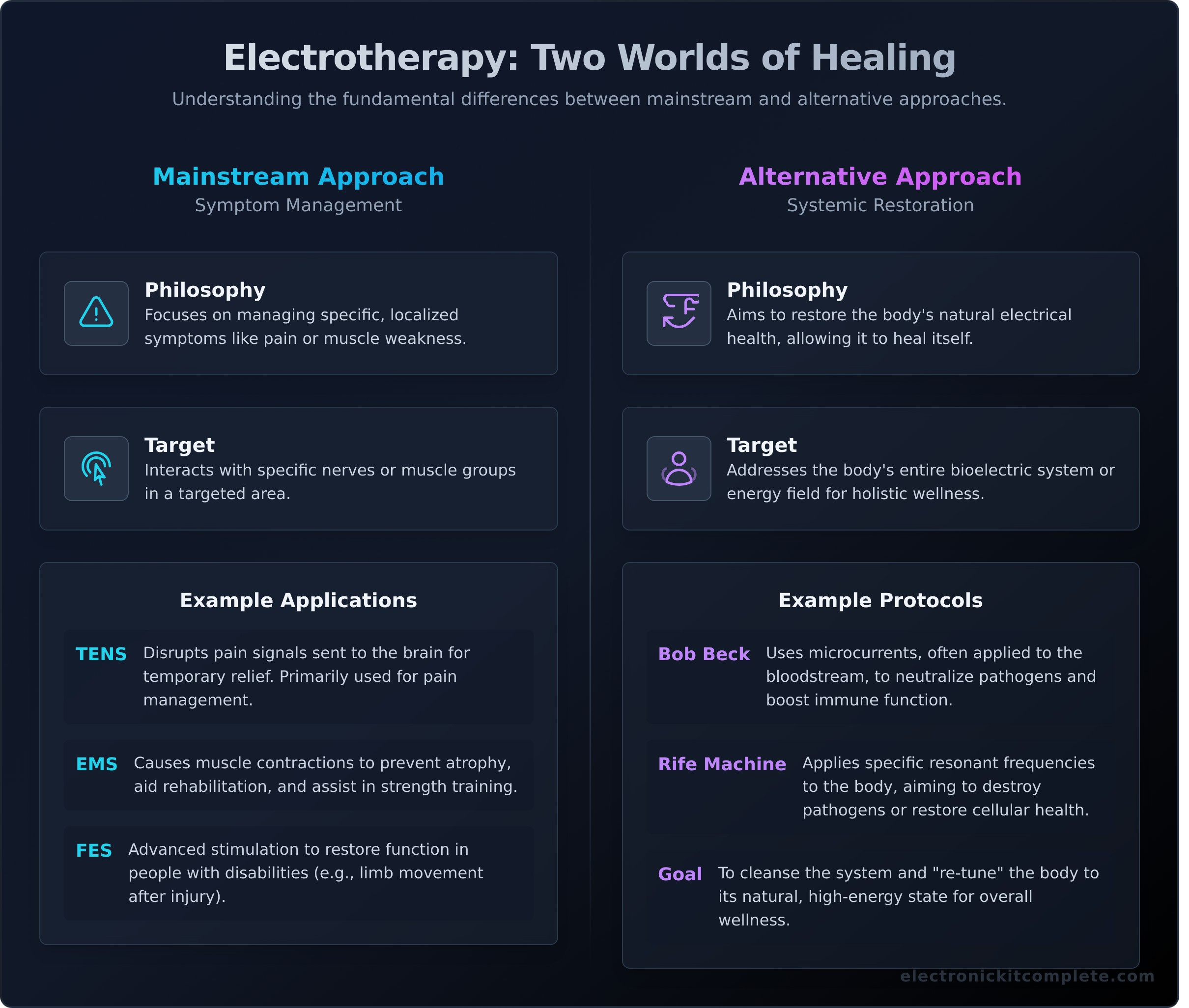
When you hear the word electrotherapy, what comes to mind? For many, it’s the buzzing pads at a physical therapist’s office. For others, it’s a deeper, more holistic approach to wellness. These aren’t just different devices; they represent two fundamentally different philosophies of health. The crucial distinction lies in what they target: one focuses on managing specific symptoms, while the other aims to restore the entire body’s energetic system.
This isn’t about “good vs. bad.” It’s about understanding the goal. Do you want to quiet a symptom, or do you want to address the underlying electrical balance of your entire body?
Mainstream Applications: TENS, EMS, and FES
In conventional medicine, particularly physiotherapy and sports rehabilitation, electrotherapy is a common tool for localized treatment. These devices are designed to interact with nerves and muscles in a targeted way.
- TENS (Transcutaneous Electrical Nerve Stimulation): This is primarily for pain relief. It sends low-voltage electrical currents through the skin to disrupt pain signals before they reach the brain.
- EMS (Electrical Muscle Stimulation): EMS causes muscles to contract. It’s used to prevent muscle atrophy after an injury, for re-education of muscles, and for strength training. These are often the types of FDA-cleared muscle stimulators used by therapists for rehabilitation.
- FES (Functional Electrical Stimulation): A more advanced form of EMS, FES applies currents to nerves to restore function in people with disabilities, such as helping someone with a spinal cord injury move their limbs.
The Alternative Approach: Bioenergetics and Systemic Wellness
The alternative world views the body not as a collection of parts, but as a complete bioelectric system. This field, often called ‘bioenergetic medicine,’ was pioneered by brilliant minds like Royal Rife and Dr. Robert ‘Bob’ Beck. Their research wasn’t focused on masking pain or forcing a muscle to contract. Instead, they asked a more fundamental question: What if we could restore the body’s natural electrical health so it can heal itself?
The philosophy here is that a balanced electrical environment in the body is hostile to pathogens and conducive to optimal cellular function. By introducing specific frequencies and microcurrents, the goal is to cleanse the system and ‘re-tune’ the body to its natural, healthy state of high energy.
Key Differences at a Glance
| Mainstream Approach | Alternative Approach | |
|---|---|---|
| Philosophy | Symptom Management | Systemic Restoration |
| Target | Specific nerves or muscles | The body’s overall bioelectric field |
| Application | Pain relief, muscle rehab | Enhancing wellness, supporting immunity |
| Example Devices | TENS units, EMS machines | Bob Beck Protocol devices, Rife machines |
How Does Electrotherapy Actually Work? The Science Simplified
That gentle tingling you feel from an electrotherapy device isn’t a random shock; it’s a highly controlled, specific signal designed to communicate with your body. Think of it less like a jolt and more like a coded message sent directly to your nerves and cells. The magic is that by changing the code-the frequency and waveform of the electrical pulse-we can send different messages to achieve profoundly different results, from blocking pain to invigorating your body’s natural defenses.
Blocking Pain Signals: The ‘Gate Control Theory’
Have you ever bumped your elbow and instinctively rubbed it to make the pain go away? You’ve experienced the Gate Control Theory firsthand. The sensation of rubbing travels to your brain faster than the pain signal, effectively “closing the gate” on the pain message. TENS (Transcutaneous Electrical Nerve Stimulation) units use this exact principle. The gentle electrical pulses create a harmless sensation that gets priority from your nervous system, overriding the pain signals. As the Cleveland Clinic explains in its guide on how TENS works, this can also trigger the release of endorphins, your body’s own natural painkillers.
Stimulating Muscles: Mimicking the Brain
Beyond just blocking signals, electrotherapy can also send messages that create action. Electrical Muscle Stimulation (EMS) uses specific frequencies that mimic the signals your brain sends to make a muscle contract. This isn’t for pain relief, but for physical rehabilitation and conditioning. It’s a powerful tool used to prevent muscle atrophy (wasting away) after an injury or to help athletes enhance their recovery by gently working the muscles without straining joints.
Blood Electrification: The Bob Beck Theory
This is where we move into the groundbreaking independent research of Bob Beck. His theory proposes a revolutionary application: using microcurrents to support the body’s internal environment. The principle suggests that introducing gentle, specific electrical frequencies into the bloodstream can neutralize foreign invaders like microbes and parasites. This doesn’t “electrocute” them, but rather renders them inert, allowing your body’s natural immune system to easily identify and dispose of them. This approach is designed to empower your body’s own healing and defense mechanisms from the inside out.
At-Home Electrotherapy: What You Need to Know
The growing interest in at-home electrotherapy is changing how we manage personal wellness. It’s no secret that more people are taking their health into their own hands, and the market for personal devices has exploded. The appeal is obvious: you get the convenience of using it on your own schedule, the privacy of your own home, and a one-time cost that is often far less than repeated professional visits.
This trend toward self-directed solutions extends beyond personal wellness. In education, for example, families are increasingly using innovative tools to guide their children’s learning journey, with adaptive platforms like LearnSpark offering personalized curriculums for those who learn on the go.
However, this freedom comes with a responsibility to be informed. Using these powerful tools correctly and safely is the key to unlocking their potential.
Common Devices You Can Buy Today
The market is filled with options. You’ll find common over-the-counter TENS units for nagging pain and EMS devices for muscle toning. But beyond these, a world of specialized devices exists based on alternative research, such as the powerful Bob Beck unit, designed to support the body’s natural electrical balance and wellness from the inside out.
Safety First: Essential Precautions
While at-home use can be a wonderful tool, your safety is paramount. Always begin by reading the manufacturer’s instructions carefully. We strongly advise starting with the lowest intensity setting for short durations to see how your body responds. Most importantly, these devices are not for everyone.
- Key Contraindications: Do not use if you have a pacemaker, are pregnant, or have a history of epilepsy.
- Follow the Manual: Every device is different. The instructions are your most important guide to proper use.
- Listen to Your Body: Never push through pain or discomfort. If something feels wrong, stop immediately.
Setting Expectations: What At-Home Devices Can (and Cannot) Do
It’s important to have a realistic mindset. Think of these devices as partners in your wellness journey, not as magic cures. They are designed to support your body’s systems. Results can vary greatly from person to person, and consistency is often the key to seeing benefits. Be patient with the process and with yourself.
Remember, at-home devices are a powerful supplement, but they do not replace the advice of a licensed healthcare professional. Have questions about at-home use? Check our FAQ.
A Deeper Look: The Bob Beck Protocol
While many pioneers contributed to the field of electrotherapy, physicist Dr. Robert ‘Bob’ Beck stands out for his practical and accessible approach. In the 1990s, he didn’t just invent a single device; he researched and refined a complete, multi-part system designed to support the body’s natural ability to heal. His work wasn’t about a magic bullet but about empowering individuals with a holistic protocol for comprehensive wellness.
The Bob Beck Protocol is a powerful system where each part plays a crucial role, working together to create an environment where the body can thrive. It’s a testament to how simple electrical principles can have a profound impact.
Part 1: Blood Electrification
The cornerstone of the protocol is blood electrification, often called micropulsing. This involves applying gentle, low-frequency microcurrents to the blood via electrodes placed on the wrist, directly over the ulnar and radial arteries. According to Beck’s research, the purpose is to neutralize microbes, bacteria, and parasites circulating in the bloodstream, rendering them harmless so the immune system can easily remove them. A typical session lasts for two hours daily over several weeks.
Part 2 & 3: Magnetic Pulsing and Colloidal Silver
To complement blood electrification, Beck included two other vital components. The Magnetic Pulser generates a powerful, momentary magnetic field to induce tiny currents in harder-to-reach areas like the lymphatic system, lymph nodes, and organs. This helps address microbes that may be hiding outside the bloodstream. At the same time, drinking freshly made ionic colloidal silver provides broad-spectrum antimicrobial support throughout the body, creating a synergistic effect.
Putting It All Together
The genius of the Bob Beck Protocol lies in how these parts work together. While blood electrification cleanses the river of life-your blood-the magnetic pulser reaches the hidden streams of the lymphatic system. Colloidal silver then offers systemic support for the entire terrain. This isn’t just one application of electrotherapy; it’s a complete, holistic strategy for restoring your body’s innate bioelectric health from the inside out.
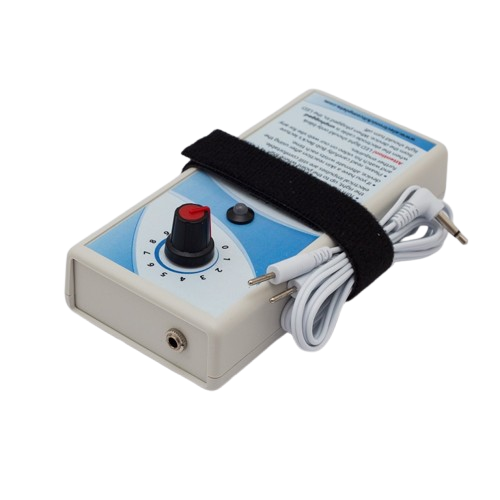
This comprehensive system begins with one key instrument. Explore the device at the heart of the Bob Beck Protocol.
Embrace Your Bioelectric Potential
We’ve journeyed from the electrical practices of ancient civilizations to the pioneering work of modern researchers. You now have a foundational understanding of how electrical currents can interact with the body, the key differences between mainstream and alternative approaches, and the specifics of the revolutionary Bob Beck Protocol. This knowledge is the first step in seeing wellness through a new, energetic lens and exploring the world of personal electrotherapy.
For those inspired by Bob Beck’s research, the next step in your journey is clear. Ready to explore the path of bioelectric wellness? Discover the complete Bob Beck device kit. We are passionate about making this technology accessible and reliable. That’s why every device is personally tested before shipping from our European base to anywhere in the world. We stand by our work with long-term support and available spare parts, ensuring you have a trusted partner on your path to wellness. The power to explore a new path is in your hands.
Frequently Asked Questions
Does electrotherapy hurt? What does it feel like?
Not at all. When using a Bob Beck device correctly, you should not feel any pain. You will experience a gentle pulsing or tingling sensation under the electrodes on your wrists. The key is to adjust the intensity to a level that is noticeable but completely comfortable. If you feel any stinging, you have simply turned the dial up too high. Most people find the sensation very mild and get used to it within minutes.
Is it safe to use an electrotherapy device at home without a doctor?
Many people use these devices at home every day. I have personally used one for years with great results. However, it’s important to remember that this is not a medical device, and I am not a doctor. You are responsible for your own health choices. If you have a serious medical condition, particularly a heart condition or a pacemaker, it is always best to consult with a licensed healthcare professional before you begin any new health protocol.
What is the difference between a TENS unit and a Bob Beck device?
This is a common question. A TENS unit is designed to manage pain by sending electrical signals to block pain messages from reaching the brain. It works on nerves. A Bob Beck device, however, is for blood electrification. It uses a very specific, gentle microcurrent frequency applied directly over the arteries in your wrist. Its purpose is not to block pain but to support the body by addressing microbes traveling through the bloodstream.
How long does it take to notice any effects from using a device like this?
Every person’s body is unique, so experiences will vary. Bob Beck’s original protocol recommended using the device daily for at least a month to give it a proper trial. Some people report feeling an increase in energy or mental clarity within the first couple of weeks. For others, the benefits are more gradual. Consistency is the most important factor. Follow the daily protocol for several weeks to see how your body responds to this form of electrotherapy.
Why isn’t blood electrification more widely known or used in mainstream medicine?
That is the million-dollar question. The simple truth is that you cannot patent a frequency or a simple electronic device like this one. There is no major financial incentive for large companies to research or promote a low-cost, non-drug therapy. If you search through patent databases, you will find many examples of electricity being used for healing. The knowledge is out there, but it is not promoted by the institutions that shape modern medicine.
Can I use a Bob Beck device if I have metal implants?
You must be very cautious in this situation. Bob Beck was clear that his protocol should not be used by anyone with a pacemaker. For other metal implants like pins, screws, or artificial joints, the risk is less defined but should be taken seriously. The microcurrents are very small, but it is always better to be safe. I would strongly recommend consulting a knowledgeable health practitioner before using any electrotherapy device if you have implants.
What kind of maintenance do these devices require?
One of the best things about these devices is their simplicity. There is very little maintenance needed. You just need to keep the unit clean and dry. The main task is replacing the 9-volt battery when it gets low, which is usually indicated by a flashing light. You should also rinse the cotton sleeves on the electrodes after each use and replace them when they get worn out to ensure you always have a good connection.