Pneumatic Compression Device: A Complete Buyer’s Guide
Are you looking at compression therapy systems and feeling lost in a sea of technical jargon and slick marketing? It’s easy to feel overwhelmed, wondering which features are truly essential and which are just expensive add-ons. You might be asking yourself if these devices are safe for home use, or if they’re even effective enough to justify the cost. I’ve been there, trying to separate real science from hype, and it’s precisely why I created this guide.
My goal is to give you a clear, honest roadmap. We’re going to break down everything you need to know to choose the right pneumatic compression device for your specific needs. From understanding the difference between medical and wellness models to identifying the core technology that actually delivers results, this guide will empower you. By the end, you’ll have the confidence to invest wisely in your recovery and performance, knowing you’ve made an informed decision.
What is a Pneumatic Compression Device & How Does It Work?
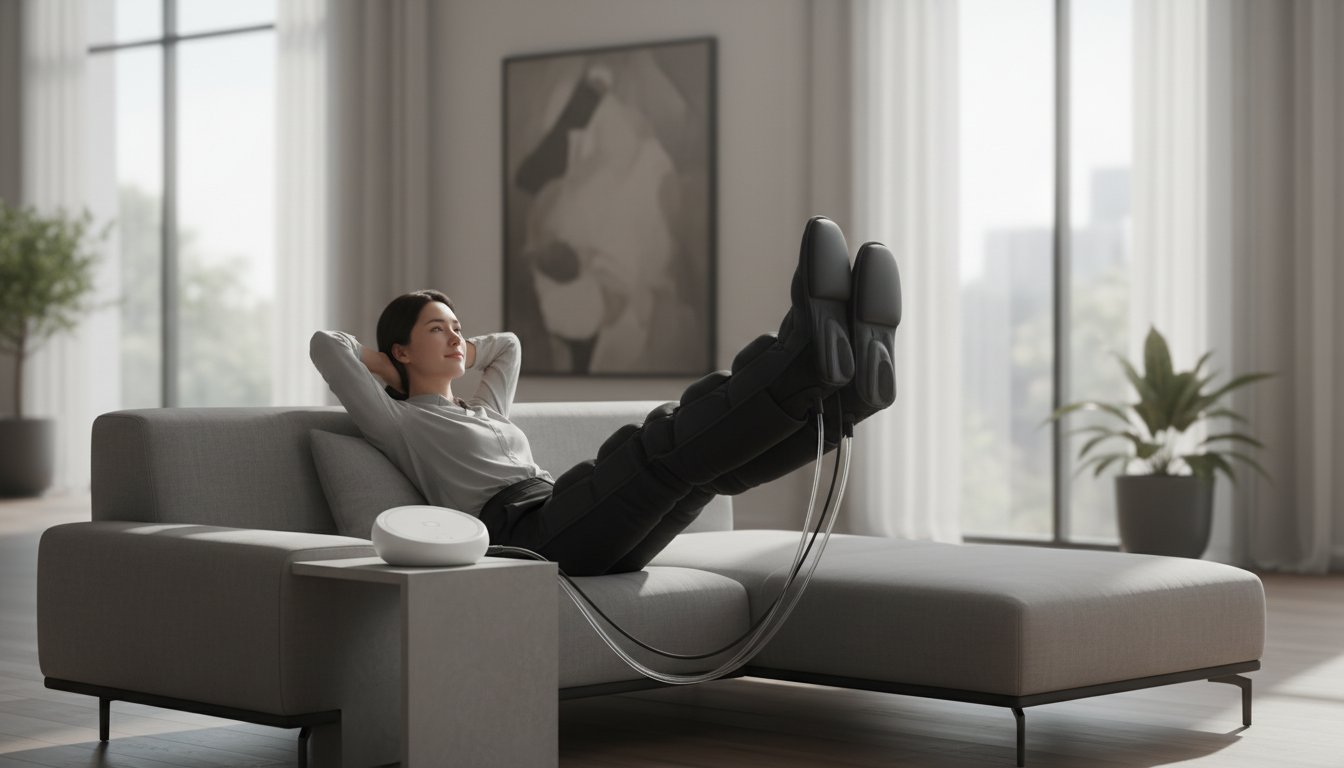
Let’s cut through the technical jargon. A pneumatic compression device is essentially an automated massage system for your limbs. It uses a technique called Intermittent pneumatic compression, where special garments inflate and deflate with air to apply rhythmic pressure. Think of it like a carefully choreographed massage that starts at your feet (or hands) and systematically squeezes upwards, gently pushing fluids back toward your body’s core. This simple yet powerful action is what makes these devices so effective.
A typical system is straightforward and consists of three main parts:
- The Control Unit (Pump): This is the brain of the operation. It’s a small, portable pump that generates the compressed air and controls the timing and pressure of the massage.
- Hoses: These tubes connect the control unit to the garments, delivering the air that makes them inflate.
- Garments: These are the wearable sleeves or boots that wrap around your legs, arms, or hips. They contain multiple air chambers that inflate sequentially to create the wave-like compression.
The Science Behind the Squeeze: Boosting Circulation & Reducing Swelling
So, what’s happening inside your body? The sequential squeezing action mimics your body’s natural “muscle pump” function-the process where muscle contractions help push blood and lymph fluid along. This enhanced circulation helps move stagnant, deoxygenated blood and metabolic waste out of your limbs. As a result, it can significantly reduce swelling (edema) and is a proven method for helping to prevent dangerous blood clots, known as deep vein thrombosis (DVT).
Who Can Benefit? Common Uses Explained
The applications for this technology are surprisingly broad, helping people from all walks of life feel and perform better. Here are the most common uses:
- Medical Therapy: Doctors often prescribe these devices for conditions like Lymphedema and chronic venous insufficiency. They are also a standard tool in hospitals to prevent DVT in patients after surgery who have limited mobility.
- Athletic Recovery: Athletes and fitness enthusiasts use compression therapy to accelerate recovery. It helps flush out lactic acid and other byproducts of intense exercise, reducing muscle soreness and getting them ready for their next workout faster.
- Everyday Wellness & Comfort: You don’t need a medical condition to benefit. If you spend all day on your feet or sitting at a desk, a session can work wonders to relieve tired, heavy, and achy legs, leaving you feeling refreshed and lighter.
Medical vs. Consumer Devices: Which Type Do You Need?
When you start shopping for a pneumatic compression device, the first and most crucial decision is understanding which category you need: medical-grade or consumer wellness. The distinction is vital, as one is a prescribed therapeutic tool while the other is a recovery and lifestyle product. Medical devices often require a doctor’s prescription to purchase, ensuring they are used correctly for specific health issues. In contrast, consumer devices are widely available from direct-to-consumer brands, with many of their online stores built by experts like NB eCommerce & Design, and on online marketplaces like Anglia Market that support a variety of small and medium-sized businesses.
Medical-Grade Sequential Compression Devices (SCDs)
Medical-grade devices, often called SCDs or lymphedema pumps, are engineered for clinical use. Their primary purpose is to manage serious, diagnosed conditions like lymphedema, chronic venous insufficiency, and to prevent dangerous blood clots. As detailed by Johns Hopkins Medicine, Intermittent Pneumatic Compression (IPC) devices are critical in preventing deep vein thrombosis (DVT), especially for post-surgery patients. These units prioritize safety and clinical effectiveness with simpler, pre-programmed compression cycles that are prescribed by a doctor. They are built for reliable, targeted therapy, not user customization.
Athletic & Wellness Compression Boots
On the other side of the spectrum are compression boots designed for athletes and general wellness. These systems focus on enhancing recovery, reducing muscle soreness, and promoting relaxation. They are packed with user-friendly features like multiple massage modes (pulsing, sequential), a wide range of adjustable pressure settings, and even optional heat. Portability is a key feature, with many top models powered by rechargeable batteries for use at the gym or on the road. While fantastic for everyday aches and post-workout recovery, they should not be used to treat serious medical conditions.
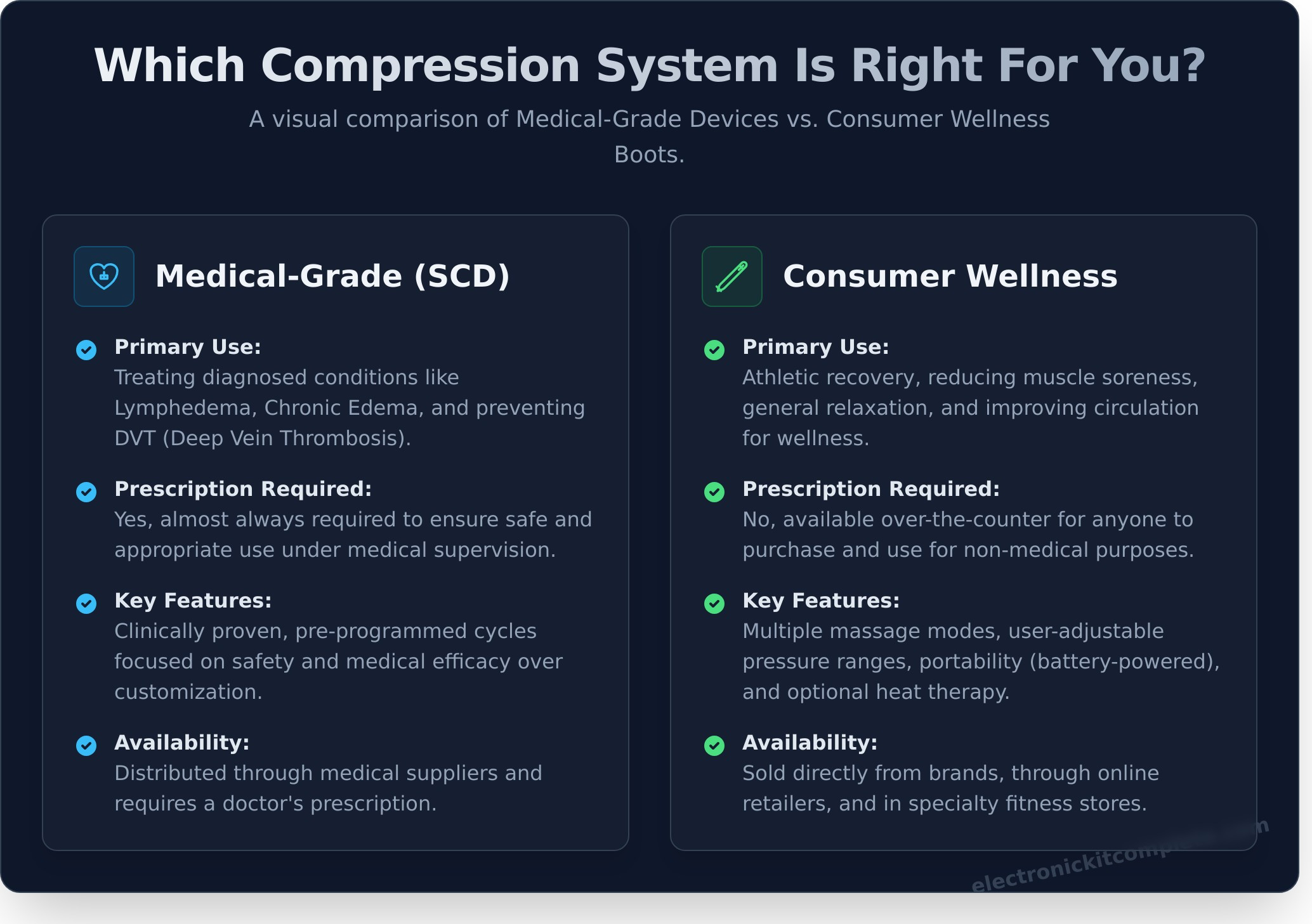
| Feature | Medical-Grade Device (SCD) | Consumer Wellness Boots |
|---|---|---|
| Primary Use | Treating diagnosed conditions like Lymphedema, Chronic Edema, and DVT prevention. | Muscle recovery, reducing soreness, relaxation, and improving circulation. |
| Prescription | Almost always required. | Not required. Available over-the-counter. |
| Key Features | Clinically proven, pre-set cycles focused on safety and medical efficacy. | Multiple modes, user-adjustable pressure, heat options, and portability (battery power). |
| Availability | Through medical suppliers with a doctor’s prescription. | Direct from brands, online retailers, and specialty fitness stores. |
Key Features to Compare: Your 2026 Buyer’s Checklist
Navigating the market for a pneumatic compression device can feel overwhelming. Many companies use flashy marketing to sell features you might not even need. This simple checklist is designed to help you cut through the noise and focus on what truly matters for your wellness or recovery goals. Remember, the most expensive model isn’t always the best one for you. Prioritize the features that align with your primary reason for buying, and always start by double-checking the manufacturer’s sizing guide-a proper fit is non-negotiable for effective and safe treatment.
Pressure Range (mmHg): How Much is Right for You?
mmHg stands for “millimeters of mercury,” a standard unit for measuring pressure. Think of it like the PSI for your car’s tires. More isn’t always better. Using excessive pressure without guidance can be counterproductive. Here’s a simple breakdown:
- 30-80 mmHg: Ideal for general wellness, improving circulation, and reducing light swelling or muscle fatigue.
- 80-150 mmHg: The sweet spot for most athletes and active individuals seeking faster muscle recovery and reduced soreness.
- 150+ mmHg: Typically reserved for clinical settings or under the guidance of a healthcare professional for specific medical conditions.
Compression Modes & Zones: What’s the Difference?
The “zones” are the individual air chambers within the boots or sleeves. More zones (e.g., 6 vs. 4) allow for a more precise and gradual pressure application. The “mode” dictates how these zones inflate.
- Sequential Mode: Fills zones from the bottom up, one by one, and holds the pressure. This is excellent for flushing out metabolic waste and reducing fluid buildup.
- Peristaltic (or Pulse) Mode: A wave-like pattern where zones inflate and deflate sequentially up the limb. This feels more like a dynamic massage and is great for general relief.
Garment Types and Portability
While leg boots are the most common, many systems offer attachments for arms and hips. The biggest choice you’ll make here is between power and portability. A powerful plug-in unit is fantastic for a dedicated recovery station at home. However, if you need compression on the go-at the gym or while traveling-a battery-powered pneumatic compression device offers unmatched freedom. Also, consider the practicals: are the hoses easy to connect and manage?
Ultimately, the right device is one that fits your body, your budget, and your lifestyle. While our work is focused on the fascinating world of bio-electric wellness pioneered by figures like Bob Beck, we believe in arming you with honest information for all your health tools. You can learn more about our unique approach to personal wellness at electronickitcomplete.com.
How to Use a Pneumatic Compression Device Safely
You’ve made a great investment in your recovery and well-being. This section is your essential pre-flight checklist before you begin. Taking a few moments to understand the correct and safe operation of your pneumatic compression device will ensure you get the maximum benefit from every session. We believe in empowering you with knowledge, so please read this carefully before your first use.
The golden rule is simple: start low and slow. Your body needs time to adapt to this new therapy. Begin with the lowest pressure setting and shorter session durations, gradually increasing them as you become more comfortable.
Your Step-by-Step First Use Guide
Getting started is straightforward. Follow these simple steps for a successful first session:
- Setup: Unpack your device and connect the air hoses from the pump to the garments. You should hear or feel a secure click.
- Application: Sit in a comfortable, relaxed position. Slide on the leg sleeves or other garments and zip them up. They should be snug, but not uncomfortably tight-you should be able to slide two fingers between the garment and your skin.
- Settings: Power on the unit. Choose a basic mode (often labeled “Massage” or similar) and set the pressure to the lowest available level. Set a timer for 15-20 minutes.
- The Sensation: During a normal session, you will feel a rhythmic squeezing sensation as different chambers inflate and deflate, typically moving up your limb. This pressure should feel firm and relieving, never sharp or painful.
Important Safety Precautions & When to Avoid Use
Your health is the top priority. While incredibly beneficial for most, this therapy is not suitable for everyone. Please review this list of contraindications carefully.
Do NOT use the device if you have any of the following conditions without explicit approval from your doctor:
- Known or suspected Deep Vein Thrombosis (DVT)
- Severe atherosclerosis or ischemic vascular disease
- Pulmonary embolism
- Congestive heart failure
- Any active infection, like cellulitis, in the affected limb
Always consult a healthcare professional before starting a new therapy, especially if you have any underlying medical conditions.
Cleaning and Maintaining Your Device
Proper care ensures your device functions effectively for years. After each use, wipe the inside and outside of the garments with a damp cloth and let them air dry completely. The main pump unit can be wiped down with a dry cloth. When storing, coil the hoses loosely to prevent kinks and store the entire system in a cool, dry place away from direct sunlight.
Take Control of Your Recovery Journey
You now have the knowledge to navigate the world of compression therapy. By understanding the critical differences between medical and consumer models and knowing which features truly matter, you are fully equipped to make an informed decision. This guide has empowered you to confidently select the right pneumatic compression device that aligns perfectly with your personal recovery and wellness goals.
Choosing the right equipment is just one part of a larger journey into self-managed health. Many people are discovering the power of at-home electronic therapies, based on the research of alternative health pioneers. If you are ready to explore this world further, we are here to support you. We invite you to discover more about at-home electronic wellness kits. As a dedicated part of the DIY wellness community, we proudly offer worldwide shipping on all kits and the support you need to succeed.
Your path to better well-being is in your hands. Take that next step today.
Frequently Asked Questions
What is the difference between pneumatic compression boots and regular compression socks?
Think of it as active versus passive pressure. Compression socks provide static, or constant, pressure to support your veins. A pneumatic compression device is active; it uses air to fill chambers in a specific sequence, dynamically massaging your limbs. This active squeezing and releasing is far more effective at pushing out fluid, reducing swelling, and enhancing circulation compared to the passive support from socks.
Can you use a pneumatic compression device every day?
Absolutely. For many people, especially athletes or those managing chronic swelling, daily use is key to seeing the best results. Consistent sessions help accelerate recovery and maintain lower levels of inflammation and soreness. Think of it as a daily maintenance routine for your legs. Just be sure to listen to your body and consult your doctor if you have any underlying health concerns before starting a daily regimen.
Does health insurance cover the cost of a pneumatic compression device?
Coverage really depends on your insurance plan and why you need the device. If a doctor prescribes it for a diagnosed medical condition like lymphedema, chronic venous insufficiency, or preventing blood clots (DVT), there is a good chance insurance will cover it. However, if you are purchasing it for general wellness or athletic recovery, it is typically considered an out-of-pocket expense. Always check with your provider first.
How long should a typical compression therapy session last?
A good rule of thumb for general recovery and wellness is a session lasting between 20 and 30 minutes. This is usually the sweet spot for flushing out soreness-inducing metabolic waste and reducing swelling after a workout. If you are using the device under a doctor’s supervision for a medical condition, you should follow their specific instructions, as session times may vary based on your personal health needs.
Are there any negative side effects of using pneumatic compression devices?
When used correctly, these devices are very safe. The most common issues are minor, such as skin irritation from the boot rubbing or temporary numbness if the pressure is set too high. However, you should avoid using them if you have certain conditions like an active infection, a known deep vein thrombosis (DVT), or severe congestive heart failure. It is always wise to consult a healthcare professional before you begin.
How tight should compression boots feel during a session?
The sensation should be a firm, deep squeeze-snug, but not painful. It should feel like a strong, satisfying massage that cycles through different parts of your limb. You should never feel sharp pain, tingling, or numbness, as these are signs that the pressure is too high and may be restricting blood flow instead of helping it. The goal is comfortable compression, not a painful restriction.