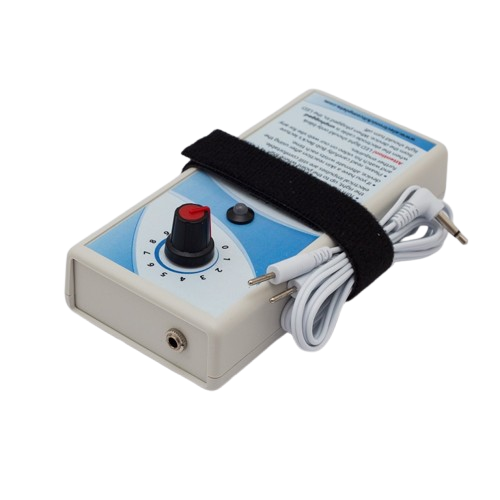
Colloidal Silver Generator Guide for Beginners
If you have been researching the Bob Beck Protocol for more than a few hours, you have probably noticed that silver keeps coming up alongside blood electrification and magnetic pulsing. That is exactly why a good colloidal silver generator guide matters. Most people are not confused by the basic idea – they are confused by the details that actually affect safety, consistency, and whether the device is even worth using at home.
Colloidal silver generators sit in a strange category. They are simple enough to look approachable, but the internet is packed with half-explanations, exaggerated claims, and DIY shortcuts that leave beginners guessing. If your goal is to understand what a generator does, what parts matter, and what to watch for before buying or using one, this guide will give you a clearer starting point.
What a colloidal silver generator actually does
At a basic level, a colloidal silver generator uses an electrical current passed through silver electrodes placed in water. That current helps release tiny silver particles or ions into the water. The resulting liquid is commonly referred to as colloidal silver, although in practice some batches may contain a mix of particles and ionic silver depending on the generator design, water quality, current control, and run time.
That distinction matters more than many beginner guides admit. Some devices are marketed as if every generator produces the same result, but they do not. A low-cost unit with poor current regulation can behave very differently from a better-designed model using controlled output and high-purity silver rods.
If you are comparing tools as part of a wider alternative wellness setup, it helps to think of a colloidal silver generator the same way you would think about other home-use devices – not just by the label, but by build quality, instructions, and how repeatable the results are.
Colloidal silver generator guide: the parts that matter most
The simplest generators all include the same core pieces: a power source, two silver electrodes, and a way to hold those electrodes in water. Some also include timers, current limiting, TDS monitoring, or polarity switching.
The silver itself matters more than many first-time buyers realize. You generally want high-purity silver, often listed as .9999 fine silver. Lower-purity metal introduces more uncertainty, and if the rods are plated rather than solid, that is usually a red flag.
Current control is another big factor. A generator that simply pushes electricity into the water without meaningful regulation can create inconsistent batches. One run may appear clear, another may turn darker or produce larger particles. For users who want a more predictable process, controlled current is usually more reassuring than a bare-bones DIY design.
Electrode spacing and holder design also affect ease of use. If the rods slip, touch, or sit unevenly, the batch can become less consistent. This sounds minor until you are actually trying to repeat the same process week after week.
Water quality changes the result
If there is one point beginners tend to underestimate, it is water. The cleaner the water, the more control you usually have over the process. Distilled water is typically preferred because dissolved minerals in tap water or filtered drinking water can interfere with conductivity and contribute to unwanted reactions.
This is one of those areas where shortcut advice causes problems. People often assume any clean-looking water will do. In reality, mineral content changes how the generator behaves. More conductivity may sound helpful, but it can also lead to a batch that forms too quickly, looks cloudy, or contains more contamination than expected.
That is why many experienced users insist on starting with distilled water and keeping containers very clean. Glass is often preferred over reactive or lower-quality plastic. Clean handling is not just about neatness – it is part of controlling variables.
How the generation process usually works
Most home-use units follow a fairly straightforward sequence. The electrodes are placed in distilled water, the generator is switched on, and the current runs for a set amount of time. Depending on the device, that may be a fixed cycle or something the user adjusts manually.
The tricky part is that longer is not automatically better. A common beginner mistake is assuming that more time means a stronger or superior batch. In practice, overprocessing can reduce quality. You may end up with larger particles, discoloration, or a less desirable end result.
A well-made unit usually helps by limiting the guesswork. Some include a timer or an automatic shutoff. Others rely on the user to monitor the process more closely. Neither approach is inherently wrong, but beginners tend to do better with equipment that removes some of the trial-and-error.
What to look for before buying a generator
A practical colloidal silver generator guide should help you sort through marketing language. Sellers often emphasize speed, strength, or miracle-level purity, but those claims are less useful than basic design questions.
Start with electrode quality, current regulation, and whether the unit is built for repeatable batches. Then look at ease of setup. Can a beginner understand it without piecing together instructions from message boards? Does it come with clear guidance on water type, container choice, cleaning, and run time? If a product page is vague on those details, that usually tells you something.
You should also consider whether you want a standalone generator or something included in a broader protocol kit. For readers already exploring electrotherapy tools, that can be a practical decision. Some people prefer a more complete package because it reduces compatibility questions and gives them one clearer path to follow.
Safety and common mistakes
This is where caution matters. Colloidal silver is a controversial topic, and responsible use starts with not treating online claims as settled fact. A generator is still an electrical device interacting with metal and water, so basic setup and handling need to be taken seriously.
One common mistake is using the wrong water. Another is touching electrodes with bare hands and then dropping them back into the batch, introducing oils or contaminants. Poor cleaning between runs is another issue, especially if residue builds up on the silver rods.
Some users also chase visual cues that can be misleading. Clear does not always mean ideal, and darker is not a sign of superior quality. Color changes can indicate larger particles or a less controlled process. If a device promises dramatic output fast, that should raise questions rather than confidence.
There is also the broader health conversation. Anyone considering colloidal silver should understand that claims around its uses can exceed what is well supported. That is especially relevant for people with medical conditions, those taking medications, or anyone trying to replace professional care with self-directed experimentation.
Why beginners often do better with guidance than DIY builds
DIY culture is strong in this niche, and that makes sense. Many alternative wellness users are naturally hands-on and independent. But building your own generator from generic parts can introduce a lot of uncertainty if you do not already understand current control, electrode purity, and batch consistency.
A homemade setup may cost less upfront, but it can also create more confusion. If the results vary, you will not always know whether the issue is your water, your rods, your power supply, or your timing. For some people that experimentation is part of the appeal. For others, it quickly becomes frustrating.
That is why beginner-friendly education matters so much in categories like this one. Sites such as Blood Electrification Device exist because people are often interested in these tools long before they fully understand how the pieces fit together.
Setting realistic expectations
A generator is not magic, and it is not the kind of device you should buy just because it appears in protocol discussions. It makes the most sense for people who want a specific home-use tool, are willing to follow instructions carefully, and understand that output quality depends on the full setup, not just the machine itself.
If you are still comparing options, ask yourself a simpler question than most sales pages do: do you want to learn and manage this process, or do you want the easiest possible entry point? That answer often tells you whether a more manual unit, a guided kit, or waiting to research further is the better move.
The best place to start is not with the boldest claim. It is with the clearest instructions, the fewest unknowns, and a setup you can use carefully and consistently.