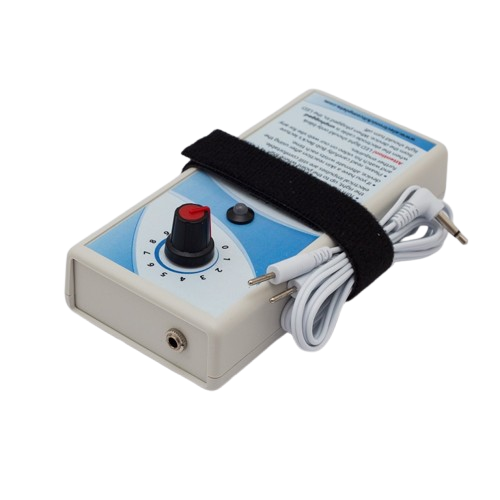
Blood Electrification Testimonials Explained
A glowing story about better energy, clearer thinking, or less daily discomfort can make blood electrification testimonials feel more convincing than any technical spec sheet. That reaction is normal. When people are researching an unfamiliar wellness device, they often want one thing first – proof that someone like them tried it and felt a real difference.
The problem is that testimonials can help and mislead at the same time. In a niche like blood electrification, where information is fragmented and opinions are strong, personal stories carry a lot of weight. They can show what users noticed, how long they used a device, what setup they followed, and whether the experience felt manageable at home. But they are still personal accounts, not clinical proof.
That is why the smartest way to read testimonials is not as a final answer, but as one piece of the decision process. If you are curious about Bob Beck style devices or trying to sort through conflicting claims online, context matters more than hype.
What blood electrification testimonials usually reveal
Most testimonials in this category follow a few familiar patterns. Some users talk about increased energy or a greater sense of balance after using a device consistently. Others describe changes in sleep, focus, recovery, or general wellbeing. A smaller group focuses on practical details – whether the wrist electrodes were comfortable, whether the routine was easy to stick with, or whether they noticed anything during the first few sessions.
That practical side is often more useful than dramatic claims. A testimonial that explains how often someone used the device, whether they started slowly, and how they combined it with other parts of a broader wellness routine gives you more to work with than a sweeping statement that it changed everything overnight.
You will also notice that many positive testimonials come from people who were already motivated to try alternative wellness tools. That does not make their experience false. It just means they may be more patient, more consistent, and more open to subtle changes than the average first-time buyer.
Why testimonials matter in this niche
In conventional consumer categories, you can compare dozens of mainstream reviews, third-party tests, and standardized benchmarks. Blood electrification does not work like that. People looking into these devices are often dealing with scattered forum posts, old protocol references, strong opinions, and product pages that do not explain enough.
That is exactly why testimonials matter here. They can fill in some of the human detail that technical explanations leave out. They help answer questions like: Did the device feel intimidating? Was setup difficult? Did the user experience side effects at first? Did the person use only blood electrification, or a fuller protocol with other wellness tools?
For beginners, those details reduce uncertainty. They make the category feel more understandable and less abstract.
Still, there is a trade-off. The more emotional and persuasive a testimonial sounds, the easier it is to overvalue it. A compelling personal story can create confidence faster than careful education can. That is useful for momentum, but not always for accuracy.
How to read blood electrification testimonials critically
The best testimonial readers ask simple questions.
First, what exactly is being described? If someone says they felt better, try to notice whether they explain what changed. Better sleep, steadier energy, and improved mood are not the same thing. Specific language tends to be more credible than vague praise.
Second, how long did they use the device? Someone writing after one session is giving you a first impression, not a meaningful long-term account. A testimonial based on several weeks of consistent use usually tells you more about real-world experience.
Third, what else was going on? This point gets overlooked constantly. Many users who report positive changes are also adjusting diet, supplements, hydration, sleep habits, or stress levels. Some are using multiple protocol components at once. If several variables changed together, it becomes harder to know what produced the result.
Fourth, does the testimonial mention any limits? Ironically, balanced testimonials are often more believable. If a person says the device took time to get used to, the routine required discipline, or the effects felt gradual rather than dramatic, that kind of honesty usually carries more weight than a perfect-sounding story.
Red flags that deserve caution
Not every testimonial is equally useful. Some should make you slow down.
Be careful with accounts that promise fast, universal, or near-miraculous results. Blood electrification is often discussed in enthusiastic circles, and excitement can turn modest experiences into oversized claims. If every problem supposedly improved at once, skepticism is healthy.
It is also worth being cautious when testimonials are missing practical context. If there is no mention of device type, session length, consistency, or safety approach, you are left with a conclusion but no process. That makes it hard to learn anything actionable.
Another red flag is when testimonials push readers toward urgency instead of understanding. Education-first content helps you think clearly. Pressure-based content tries to override that process.
Finally, watch for stories that treat discomfort as proof that the device is definitely working. Some users do report temporary reactions when starting new wellness routines, but that does not mean every unpleasant sensation should be ignored. Responsible interpretation always leaves room for uncertainty.
What realistic testimonials sound like
The most helpful testimonials are often the least dramatic. They sound like real people describing a process.
A realistic account might say that the user felt nothing during the first few sessions, then noticed small improvements in energy after two weeks of regular use. It might mention that building the routine into daily life took effort, or that the wrist contacts needed adjustment for comfort. It may also say that the device became one part of a broader self-care plan rather than a standalone fix.
That kind of testimonial is valuable because it reflects how at-home wellness tools usually work in real life. Change, when people report it, is often gradual, inconsistent, and influenced by many factors.
For readers considering a purchase, those grounded stories are far more useful than dramatic before-and-after language. They set better expectations and reduce the risk of disappointment.
Testimonials versus evidence
This is where a lot of confusion starts. A testimonial is evidence of a person’s experience. It is not the same thing as scientific proof.
That distinction matters because people often turn to blood electrification when they are frustrated, skeptical of mainstream options, or eager for greater control over their health routines. In that mindset, a cluster of success stories can feel like confirmation. But testimonials cannot tell you how a device will affect every user, and they cannot control for placebo effects, routine changes, or individual variability.
At the same time, dismissing all testimonials as meaningless would also be a mistake. In a consumer education setting, they are useful for understanding user expectations, ease of use, consistency demands, and subjective experiences. They just work best when paired with safety guidance, clear instructions, and realistic framing.
That is one reason specialized education sites such as Blood Electrification Device can be helpful for beginners. The goal should not be to replace judgment with hype. It should be to put user stories alongside practical information so readers can make more informed decisions.
How testimonials can help you decide
If you are actively researching a device, use testimonials to answer lifestyle questions before outcome questions. Ask whether the routine seems manageable, whether the device sounds beginner-friendly, and whether users describe a learning curve you are comfortable with.
Then look for patterns rather than promises. If many users independently mention ease of setup, steady use over time, or subtle rather than immediate changes, that pattern tells you something. If the stories are all exaggerated but thin on detail, that tells you something too.
Most of all, keep your expectations grounded. Blood electrification testimonials are best used to understand the user experience, not to guarantee a result. They can show possibility, but they cannot predict your outcome.
If a testimonial helps you ask better questions about safety, consistency, device quality, and protocol fit, it has already done something useful. That is a much better place to make a decision from than excitement alone.