Guide to Electrotherapy Safety Precautions
The fastest way to have a bad experience with electrotherapy is to treat it like a harmless gadget instead of a body-facing device. A good guide to electrotherapy safety precautions starts there. Whether you are researching blood electrification, frequency-based tools, TENS-style devices, or parts of the Bob Beck Protocol, safety is not an extra step after the device arrives. It is part of choosing, setting up, and using the device from the beginning.
That matters even more in the alternative wellness space, where people often piece together information from forums, old instruction sheets, and conflicting seller claims. Some of that information is useful. Some of it is incomplete. The safest approach is to assume that electrotherapy can be beneficial for the right person, used the right way, and also a poor fit when key precautions are ignored.
Why electrotherapy safety precautions matter
Electrotherapy devices interact with the body through current, electrodes, contact points, timing, and placement. Even when the current is low, the body is still part of the circuit. That means mistakes tend to show up in practical ways, such as skin irritation, headaches, dizziness, overstimulation, poor sleep, discomfort during sessions, or simply using the wrong protocol for your situation.
The risk level depends on the device and the method. A mild contact device used externally is very different from anything invasive, improvised, or modified. A preset consumer unit is different from a DIY setup built from scattered instructions. This is where many beginners get tripped up. They hear that a method is low voltage or non-drug, and assume that means no real precautions apply. That is not how responsible use works.
Guide to electrotherapy safety precautions before first use
Before you ever turn a device on, screen yourself honestly. The biggest red flag is having an implanted electronic device such as a pacemaker or similar medical implant. Electrotherapy may interfere with those systems, which moves the issue from mild side effects into a much more serious category.
Pregnancy is another situation where caution should be much higher. The same goes for seizure disorders, serious heart rhythm issues, active bleeding concerns, or any condition where electrical stimulation may be inappropriate. If you have a diagnosed medical condition and are not sure whether a device belongs anywhere in your routine, that uncertainty is a sign to pause rather than guess.
Skin condition matters too. Do not place electrodes or conductive contacts over broken skin, infected areas, open wounds, severe rashes, or irritated tissue unless a device is explicitly designed and instructed for that purpose. Even then, home users should be conservative. Healthy skin tolerates contact much better than compromised skin.
It also helps to check your current medications and sensitivities. Some people are more reactive to stimulation, adhesives, conductive gels, or session timing. If you already know your nervous system tends to overreact to new wellness tools, start with shorter exposure and lower intensity, not the other way around.
Choose the right device, not the strongest one
A common beginner mistake is thinking more power means better results. In home electrotherapy, stronger is not automatically better. In fact, the best device for a beginner is often the one with clear instructions, stable build quality, predictable settings, and a method that matches the intended use.
That means avoiding modified units, homemade electrode arrangements, or vague products with no clear usage guidance. If a seller cannot explain basic operation, contact points, contraindications, session length, and cleaning instructions in plain English, that is a quality problem as much as a marketing problem.
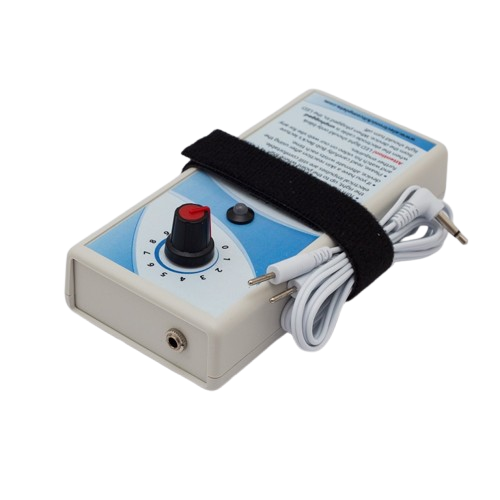
For people exploring niche tools like blood electrification devices, clarity matters even more. You want to know exactly what the device is designed to do, what accessories are required, how contact is made, and what normal versus abnormal sensations look like. Good education reduces risk because it lowers the chance of improvisation.
Safe setup makes a bigger difference than people expect
Most avoidable issues happen during setup. The device may be fine, but poor contact, wrong placement, excessive session length, or damaged accessories create problems.
Start by inspecting the device each time. Look for frayed wires, cracked casings, loose connectors, worn electrode pads, corrosion, or anything that suggests the unit is no longer delivering current consistently. If something looks off, do not test it on your body to see what happens.
Clean contact surfaces and use the exact accessories intended for that system. Mixing parts from different devices can change conductivity, fit, or output behavior. Keep the device dry unless it is specifically designed for use with moisture in a controlled way. Water and electronics are not a casual combination.
Body placement deserves patience. Never place electrodes or contact points across the chest in a way that sends current through the heart area. Avoid the front of the neck, the head unless the device is specifically made for that protocol, and any area where numbness prevents you from judging sensation accurately. If placement instructions are unclear, that is a reason not to proceed until they are.
Start low, go short, and watch your response
This is probably the most useful rule in any guide to electrotherapy safety precautions. Your first session should not be a full-strength experiment. Start with the lowest effective setting and a shorter session than the maximum listed.
That gives you a baseline. You can notice whether your skin gets pink or irritated, whether you feel relaxed or overstimulated, and whether the timing affects your energy, sleep, or comfort later in the day. Some people tolerate a device well but dislike evening sessions because they feel too activated afterward. Others find longer sessions create diminishing returns. Those are not failures. They are feedback.
A measured approach also makes it easier to tell the difference between adjustment effects and signs that a method does not agree with you. If you start with high intensity and a long session, you learn very little except that you pushed too far.
Watch for skin issues and overstimulation
Skin is often the first place safety problems show up. Mild temporary redness from contact can be normal, depending on the method. Burning, stinging, welts, lingering irritation, blistering, or itchy adhesive reactions are not things to ignore.
Sometimes the fix is simple. You may need better pad placement, fresher electrodes, shorter sessions, cleaner skin, or a different conductive medium. Sometimes the issue is that your skin does not tolerate that setup well, and forcing it will only make the reaction worse.
Overstimulation can be less obvious but just as important. If you feel jittery, drained, foggy, headachy, nauseated, or unusually uncomfortable during or after sessions, stop and reassess. Not every unpleasant reaction means something dangerous happened, but it does mean your current setup, timing, or intensity may not be appropriate.
Hygiene and storage are part of safety
In niche home-use electrotherapy, hygiene often gets overlooked because people focus on settings and protocols. But reusable accessories touch skin repeatedly, and poor cleaning habits create their own problems.
Clean electrodes, clips, wristbands, and contact surfaces as instructed by the manufacturer. Store everything in a dry, cool place where wires do not get kinked and pads do not collect dust. Replace accessories when they wear out. A degraded pad or corroded contact point does not just work poorly. It can create uneven delivery that feels sharper or more irritating.
If more than one person uses a device, shared hygiene becomes even more important. Consumer wellness tools should not be treated like household remotes.
When to stop and get advice
There is a difference between a mild adjustment period and a sign that you should discontinue use. Stop immediately if you experience chest discomfort, shortness of breath, strong dizziness, a racing or irregular heartbeat, faintness, severe skin reaction, or anything that feels alarming rather than merely unfamiliar.
You should also pause if you find yourself constantly modifying the protocol to chase a better feeling. Repeatedly increasing intensity, extending session time beyond instructions, or stacking multiple methods at once usually means you are moving away from safe experimentation and into guesswork.
This is where beginner discipline matters. Home electrotherapy works best when you respect limits. If a method requires constant improvisation to feel tolerable or useful, it may be the wrong device, the wrong protocol, or the wrong time to use it.
For readers trying to sort through conflicting information, Blood Electrification Device exists for exactly that reason. The category can be useful, but only when education comes before enthusiasm.
The smartest users are rarely the ones doing the most. They are the ones paying attention, keeping sessions measured, and giving their bodies room to answer honestly.