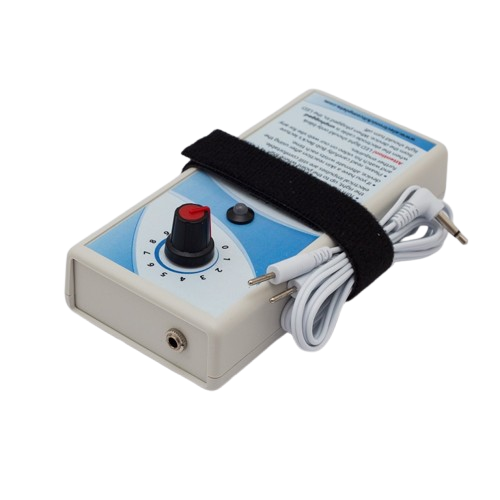
How to Clean Electrotherapy Accessories
If your electrodes have started to feel tacky, your ear clips look dull, or your wrist straps carry a faint residue from repeated sessions, cleaning is not a cosmetic extra. It is part of using electrotherapy equipment correctly. For anyone learning how to clean electrotherapy accessories, the goal is simple: protect your skin, avoid contamination, and help your equipment last longer without damaging the parts that make contact with the body.
This matters even more with at-home alternative wellness tools, where accessories are handled often and sometimes stored less carefully than the main device itself. A blood electrification setup, Bob Beck-style kit, TENS-style accessory pack, or other electrotherapy system may include several small parts that collect skin oils, gel residue, sweat, and environmental dust. None of that is dramatic on day one. Over time, though, buildup can affect comfort, hygiene, and performance.
Why cleaning electrotherapy accessories matters
Most users think first about the device and only later about the accessories. In practice, the accessories usually take the most abuse. Electrodes touch skin directly. Ear clips may collect oils and oxidation. Lead wires get handled by the fingertips every session. Conductive straps can trap moisture if they are put away too soon.
When these parts are not cleaned properly, a few problems can show up. The first is skin irritation. Sometimes users assume the current is the issue, when the real problem is old residue, dried gel, or a dirty contact surface. The second is inconsistent conductivity. If a surface is coated with body oils or leftover solution, the session may feel uneven. The third is shortened accessory life. Harsh cleaners, soaking, and rough scrubbing can wear parts out just as fast as neglect can.
That is why good cleaning is less about making everything look new and more about keeping each accessory functional and skin-safe.
How to clean electrotherapy accessories without damaging them
The safest approach is gentle, targeted cleaning based on the material. Electrotherapy accessories are not all built the same, so one cleaning method does not fit every part. Before using any cleaner, disconnect everything from power and separate removable accessories from the device.
In most cases, a soft cloth, cotton swab, mild soap, and water are enough. Strong disinfectants, bleach, abrasive pads, and alcohol-heavy cleaners can dry out rubber, weaken adhesives, corrode metal contacts, or leave residues that irritate skin later. If a manufacturer gives specific care instructions, those should come first.
A good rule is this: clean what touches skin after use, clean contact points regularly, and never soak components unless the manufacturer clearly says they are water-safe.
Cleaning electrodes and adhesive pads
Electrodes need the most care because they affect both comfort and conductivity. If you are using reusable adhesive pads, handle them by the edges and inspect them after each session. Dust, skin flakes, and body oils can build up on the gel surface.
For light debris, a small drop of water on your fingertip can sometimes help lift residue without damaging the adhesive layer. Do not scrub. Do not use soap directly on self-adhesive gel pads unless the product instructions allow it. In many cases, too much washing reduces stickiness and shortens pad life. If the pad is no longer adhering well, feels uneven, or causes hot spots during use, replacement is often the better choice than aggressive cleaning.
For carbon rubber electrodes or non-adhesive electrodes used with conductive spray, gel, or wet pads, wipe them with a damp cloth after use and let them dry fully before storage. If there is stubborn residue, use a little mild soap on a damp cloth, then wipe again with plain water to remove any soap film.
Cleaning ear clips, wrist straps, and contact accessories
Ear clips and similar contact accessories are common in Bob Beck-style systems and other electrotherapy setups. These should be cleaned gently but consistently because they touch skin and may include both soft coverings and metal contact areas.
Start by wiping the entire accessory with a slightly damp cloth. For padded or silicone-covered sections, mild soap and water usually work well. For metal contact points, use a cotton swab lightly dampened with water or a manufacturer-approved cleaner. The goal is to remove skin oils and visible residue, not to polish aggressively.
If you see oxidation or discoloration on metal, do not attack it with a harsh chemical. That can damage the finish or leave a residue where the accessory touches the body. A gentle wipe is usually enough for routine care. If the metal is pitted, heavily corroded, or no longer making consistent contact, replacement is usually smarter than restoration.
Fabric or elastic straps need extra drying time. Even if they feel only slightly damp, storing them too soon can lead to odor, stiffness, or mildew. Let them air dry completely in a clean area away from direct heat.
Cleaning lead wires and connectors
Lead wires are easy to overlook, but they are handled constantly. Oils from the hands can transfer to connectors, and bending or twisting during storage can make wires wear out faster.
Use a dry or slightly damp microfiber cloth to wipe the wire length and connector ends. Avoid getting moisture inside connection ports or jack openings. If a connector has visible residue, use a cotton swab with minimal moisture and dry it right away.
Do not soak wires, and do not wrap them tightly around the device after cleaning. That creates stress at the ends, where wires tend to fail first. A loose coil is much better for storage.
What not to use when cleaning electrotherapy accessories
This is where many people accidentally shorten the life of their equipment. More cleaning power is not always better. Bleach, ammonia, abrasive scrubbers, and strong solvents can damage plastics, rubberized coatings, and conductive surfaces. Alcohol can be useful on some hard surfaces in small amounts, but repeated use on certain accessories may dry them out or break down adhesives.
Essential oil cleaners are another thing to be careful with. They may smell pleasant, but they can leave films on contact surfaces and increase the chance of skin sensitivity during later sessions.
If you are ever unsure, mild soap and water on a cloth is usually the safer starting point than a powerful disinfecting product.
How often should you clean electrotherapy accessories?
It depends on the accessory and how often you use it. Skin-contact surfaces should usually be wiped down after each use. That includes ear clips, carbon electrodes, straps, and any reusable accessory that touches bare skin. Lead wires can be cleaned less often, but regular inspection helps catch residue or wear before it becomes a bigger issue.
Adhesive pads are the exception because over-cleaning can ruin them. They should be kept protected between sessions and cleaned only as lightly as the manufacturer allows. If they are losing adhesion or collecting too much debris, replacement is often more practical than trying to save them.
If multiple people use the same equipment, cleaning standards should be stricter. In that case, personal accessories or dedicated sets are often the better choice.
Storage matters almost as much as cleaning
A lot of accessory problems are really storage problems. Clean accessories placed into a dusty drawer or sealed while damp will not stay clean for long. After drying, store them in a clean case or container where they are protected from lint, moisture, and direct sunlight.
Try not to toss all components together loosely. Metal contacts can scratch, wires can kink, and adhesive surfaces can collect debris fast. A little organization goes a long way here, especially if you use your setup regularly.
For people building a home routine, this is one of the easiest ways to reduce frustration. Clean after use, dry completely, and store with intention. That habit saves money and usually makes each session easier to set up.
Signs an accessory needs replacement, not cleaning
Some parts can be cleaned back into good working shape. Others are simply worn out. If an electrode has cracks, a strap has lost elasticity, an ear clip no longer grips properly, or a connector feels loose even after cleaning, the issue may be structural rather than hygienic.
The same goes for accessories that repeatedly cause discomfort despite proper setup. If the surface is clean but the contact feels inconsistent or irritating, replacement is often the safer move. This is especially true with parts that directly affect conductivity.
At Blood Electrification Device, one of the most common points of confusion we see is users trying to troubleshoot performance by changing settings first, when the real fix is simpler: check the accessory condition and clean it properly.
A clean accessory will not solve every issue, but it removes one of the most common reasons sessions feel less comfortable or less consistent than they should.
Good electrotherapy habits are usually small ones. Wipe the parts that touch skin, avoid harsh cleaners, let everything dry fully, and replace worn accessories before they become a problem. That kind of routine keeps your setup more reliable and makes each session feel a little more straightforward.