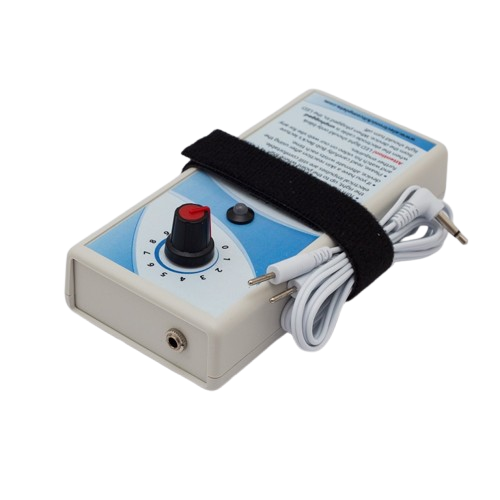

What is Electrical Muscle Stimulation (EMS)? A Beginner’s Guide
The idea of using electricity on your body can sound a little strange, maybe even unsafe. I get it. With so many gadgets on the market, from TENS units to ab-toning belts, it’s easy to wonder: is this just another gimmick, or does it actually work? The science can seem intimidating, and it’s smart to ask questions before trying something new.
But the truth is, the core principle behind electrical muscle stimulation (EMS) is surprisingly simple and has been used safely by professionals for years. It’s not about shocking your body; it’s about speaking its language. In this guide, I’m going to break it all down for you in plain English. We’ll explore how EMS works with your natural biology, look at its legitimate uses from physical therapy to fitness, and clear up the confusion between different types of electrotherapy. My goal is to help you feel confident and informed, so you can decide if this powerful tool is right for you.
Key Takeaways
- Understand the simple science behind how external electrical pulses can safely trigger your muscles, mimicking your body’s own nervous system.
- Discover the established, mainstream uses of electrical muscle stimulation, from helping prevent muscle loss after an injury to enhancing athletic training.
- Learn the key safety factors to consider and why modern at-home devices are designed to be safe and easy for beginners to use.
- See how EMS is just one piece of a larger puzzle and explore the fascinating world of bio-electricity for overall wellness.
The Core Principle: How Electricity ‘Talks’ to Your Muscles
Before we can understand how an external device can trigger your muscles, we must appreciate a simple but profound fact: your body is already an expert at using electricity. Every move you make, from blinking an eye to lifting a heavy weight, is powered by tiny electrical signals. Understanding this natural process is the key to unlocking how electrical muscle stimulation works.
Think of it as learning your body’s native language. Instead of using force, EMS uses gentle electrical currents to communicate directly with your muscles, creating contractions that are powerful, efficient, and controlled. This process isn’t strange or artificial; it’s simply tapping into the system your body already has in place.
Your Body’s Natural Electrical Network
Your brain is the command center. When you decide to move, your brain sends an electrical impulse down your spinal cord through a vast network of nerves. This signal travels to specific motor neurons that are connected to your muscle fibers. Once the signal arrives, it tells the muscle to contract. This lightning-fast communication is what allows for coordinated movement, and it all happens because of your body’s own bio-electrical system.
EMS: An External Signal for Your Muscles
This is where Electrical muscle stimulation (EMS) comes into the picture. An EMS device essentially acts as an external command center, bypassing your brain. By placing electrode pads on your skin over a specific muscle, the device sends safe, low-voltage electrical pulses to the motor nerves beneath. This external signal tells the muscle to contract and then relax, perfectly mimicking the process of voluntary exercise. It’s a way of having a direct conversation with your muscles.
EMS vs. TENS: Muscle Contraction vs. Pain Relief
It’s common to confuse EMS with another therapy called TENS (Transcutaneous Electrical Nerve Stimulation), but their goals and methods are fundamentally different. While both use electrical currents, they “talk” to different types of nerves to achieve very different outcomes.
EMS (Electrical Muscle Stimulation)
- Primary Goal: To cause deep muscle contractions for strengthening, rehabilitation, and athletic conditioning.
- Targets: The motor nerves that activate muscles.
TENS (Transcutaneous Electrical Nerve Stimulation)
- Primary Goal: To provide pain relief by scrambling or blocking pain signals from reaching the brain.
- Targets: The sensory nerves that transmit feelings like touch and pain.
Common Uses of EMS: From Physical Therapy to Fitness
While you might see it advertised for getting toned abs, the principle of using electricity to stimulate muscles is nothing new. In fact, its most trusted and proven applications come from the worlds of physical therapy and professional sports. These fields have long understood that working with the body’s own electrical signals can produce powerful results, moving beyond hype and focusing on genuine function and recovery.
Rehabilitation: Re-educating Muscles After Injury
Physical therapists have used electrical muscle stimulation for decades. Imagine someone has a broken leg in a cast. The muscles aren’t being used, so they naturally start to weaken and waste away (atrophy). EMS can be used to gently contract those muscles without moving the injured limb, keeping them active and significantly reducing muscle loss. It’s also a powerful tool for helping patients re-learn how to activate a muscle after a major surgery or even a stroke, re-establishing that crucial brain-to-muscle connection.
Athletic Performance: Gaining a Competitive Edge
You’ll find EMS devices in the training rooms of many professional sports teams, and for good reason. Athletes use them for two main purposes: recovery and performance enhancement. After a tough workout, specific EMS programs can help increase blood flow, flushing out metabolic waste like lactic acid and reducing soreness. For performance, it can activate deep muscle fibers that are difficult to engage through traditional exercise, helping to build explosive strength. The accepted uses and benefits of EMS are well-documented for helping athletes maintain peak condition.
The Truth About EMS for Fitness and Toning
So, what about those “ab-zapper” commercials? There is some truth there. EMS can certainly help firm, tone, and strengthen muscles by causing intense contractions. However, it’s important to be realistic. It is not a magic solution for weight loss or a replacement for a healthy lifestyle. Think of it as a supplement, not a shortcut. For the best results, electrical muscle stimulation should always be combined with a balanced diet and regular physical activity to see a real difference.

Is Electrical Muscle Stimulation Safe? What You Need to Know
It’s a fair question. The idea of sending electricity into your body can sound intimidating at first. However, when used correctly, electrical muscle stimulation is a widely accepted and safe technology. The key is understanding that modern at-home devices are not sending dangerous shocks; they use very low, precisely controlled microcurrents designed to mimic the natural signals your brain sends to your muscles.
These devices are designed with user safety as a priority. In fact, there is a clear framework for the FDA regulation of EMS devices to ensure they meet specific standards for over-the-counter use. The most important safety feature, however, is you-the user. By following simple guidelines, you can ensure a safe and effective experience.
What Does EMS Actually Feel Like?
Forget any thoughts of a painful electric shock. The sensation begins as a gentle tingling or buzzing feeling under the electrode pads. As you slowly increase the intensity, you’ll feel your muscles begin to twitch lightly. Increase it a bit more, and those twitches will turn into a smooth, strong, and deep muscle contraction. You are always in complete control of the intensity dial, and the goal is to find a level that feels strong and effective, but never painful.
Important Safety First: Who Should Avoid EMS?
While safe for most people, this technology isn’t for everyone. It’s crucial to avoid using an EMS device if you have certain pre-existing conditions. Please do not use electrical muscle stimulation if any of the following apply to you:
- You are pregnant.
- You have a pacemaker or another implanted electronic device.
- You have been diagnosed with epilepsy or have a history of seizures.
- You have active cancer or undiagnosed cancerous lesions.
If you have any serious health concerns, such as heart disease or acute injuries, it’s always best to consult with a licensed healthcare professional before starting.
Best Practices for Safe At-Home Use
Following a few common-sense rules will help you get the most out of your device safely. Always remember to:
- Start Low: Always begin each session at the lowest intensity setting and increase it gradually to a comfortable level.
- Use on Clean Skin: Apply the electrode pads to clean, dry skin free of lotions or oils for the best connection.
- Follow Instructions: Refer to your device’s manual for proper electrode placement for the muscle group you are targeting.
- Avoid Sensitive Areas: Never place electrode pads directly over your heart, on the front of your neck, across your head, or on open wounds.
Beyond Muscle: The Broader World of Bio-Electricity
We’ve seen how powerful electrical muscle stimulation is for everything from athletic training to physical therapy. It’s a clear demonstration that our bodies respond directly to external electrical signals. This naturally leads to a fascinating question: If we can use electricity to command our muscles, what else in our bodies might it be able to influence? The answer opens the door to the much wider field of electrotherapy and the study of bio-electricity.
A Brief History of Using Electricity for Health
Using electricity for wellness isn’t a new-age fad. In fact, it has surprisingly deep roots. Ancient Romans used the natural shock from electric eels to treat ailments like headaches and gout. By the 18th and 19th centuries, scientists were seriously exploring how electricity could be applied in medicine. This long history shows us that researchers have been fascinated by the body’s electrical nature for centuries, making it a field built on a long tradition of discovery.
The Concept of Cellular Energy and Frequencies
The foundation of this field is a simple but profound idea: your body is electric. Every one of your trillions of cells operates like a tiny, biological battery, holding a specific electrical charge. Healthy cells maintain a certain voltage to function correctly, communicate with each other, and repair themselves. Some researchers believe that when this cellular energy is low, it can affect overall wellness. The central question they explore is whether external electrical fields can help support and restore this vital cellular function.
Pioneers Like Bob Beck: Exploring New Applications
While many applications focused on powerful outputs like electrical muscle stimulation, some independent researchers took these concepts in a different direction. A physicist named Bob Beck, for example, looked beyond simple muscle contraction. He was interested in how very gentle microcurrents might interact with the body’s internal environment on a more fundamental level. His work represents a fascinating branch of bio-electrical research, shifting the focus from gross motor function to subtle cellular energy.
Intrigued by these ideas? Bob Beck’s research led to a unique approach for supporting the body’s natural systems. Learn more about the Bob Beck protocol.
The Electrical Spark of Wellness
As we’ve seen, the world of bio-electricity is both fascinating and accessible. From helping athletes recover to its foundational role in physical therapy, electrical muscle stimulation is a powerful testament to how technology can work with our body’s natural systems. Understanding that we are fundamentally electrical beings opens up incredible possibilities for health and vitality, moving beyond just muscle applications.
These principles are the foundation for much broader wellness concepts. The pioneering research of physicist Bob Beck took this understanding a step further, exploring how simple electrical frequencies could support the body’s overall wellness. We are proud to continue that legacy. Explore the simple, powerful principles behind the Bob Beck device. Based on this foundational research, every device is personally tested before shipping to ensure quality. With worldwide shipping and full customer support, we are here to help you on your journey into personal wellness.
Frequently Asked Questions
Can Electrical Muscle Stimulation actually help with weight loss?
While EMS is not a magic solution for weight loss, it can be a helpful tool. The intense muscle contractions it causes burn calories and can increase your metabolic rate. However, it works best when combined with a healthy diet and regular physical activity like cardio. Think of it as a powerful supplement to your fitness routine that helps tone muscles and improve definition, contributing to a leaner appearance, rather than a replacement for exercise.
How often should you use an EMS device for the best results?
For the best results, consistency is key. A good starting point is to use your EMS device 3 to 4 times per week on a specific muscle group. It is very important to allow at least 48 hours of rest for those muscles to recover and rebuild before the next session. Always listen to your body; if you feel excessive soreness, give yourself an extra day to rest. A typical session should last around 20 minutes.
What is the main difference between an EMS device and a Bob Beck device?
The purpose and function of these two devices are completely different. An EMS device targets motor nerves to cause deep muscle contractions for strength training, rehabilitation, or recovery. A Bob Beck device, on the other hand, is used for a practice known as blood electrification. It uses microcurrents, typically at the wrist, based on a different set of principles and for entirely different alternative health goals. They are not interchangeable and are built for separate purposes.
Is it possible to overdo it with an EMS machine?
Yes, it is definitely possible to overdo it. Using an EMS machine for too long or at an intensity that is too high can lead to muscle fatigue, excessive soreness, and even muscle strain. It’s crucial to follow the recommended session duration, usually around 20 minutes, and to allow your muscles adequate time to recover between sessions. More is not always better; proper use and rest are essential for preventing injury and achieving positive results.
Can you use EMS for chronic pain relief, or is that only for TENS units?
While TENS units are specifically designed to block pain signals, EMS can offer secondary pain relief. By strengthening muscles that support sore joints and increasing blood circulation to an area, electrical muscle stimulation can help alleviate some types of chronic pain. It addresses the muscular root of the problem. However, for direct nerve-based pain management, a TENS unit is generally the more appropriate and effective tool. Some modern devices offer both EMS and TENS functions.
Do you need a special gel to use with the electrode pads?
Yes, using a conductive gel is highly recommended and often necessary. This gel ensures there is a solid, uniform connection between the electrode pads and your skin. Without it, the electrical current may not be distributed evenly, which can cause uncomfortable stinging sensations or “hot spots” and reduce the effectiveness of the muscle contraction. The gel eliminates air gaps and allows the current to flow smoothly for a safe and effective session.