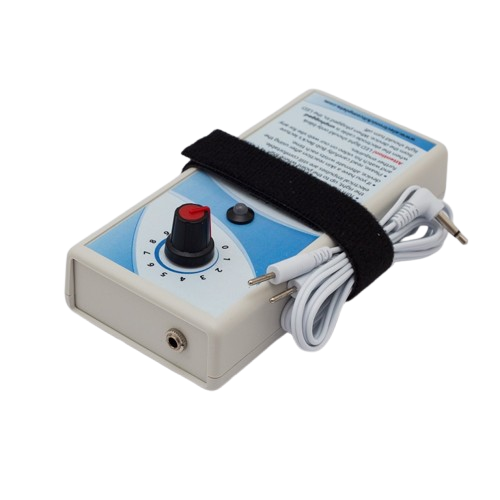

What Is Electric Stimulation Therapy? A Beginner’s Guide
Are you tired of conventional pain relief methods that just don’t seem to work? Maybe you’ve heard people talking about using gentle electrical currents for healing but feel lost in a sea of confusing acronyms like TENS or EMS. It’s frustrating when you’re looking for a non-pharmaceutical solution but don’t know where to start or who to trust. This is the simple, powerful idea behind electric stimulation therapy, a field I’ve been exploring personally for years.
I created this guide to cut through the technical jargon and share what I’ve learned in a straightforward way. We’ll demystify how these gentle currents can work with your body to relieve pain, support healing, and improve your overall wellness. We will explore the key differences between the most common types of devices and give you the confidence you need to understand how at-home options can be used safely and effectively. Consider this your first step toward discovering a new and empowering tool for your personal health journey.
Key Takeaways
- Discover the surprising truth about your body’s own electrical system and how it’s the key to understanding this therapy.
- Understand the key differences between various types of electric stimulation therapy to find the approach that aligns with your wellness goals.
- Explore the long history of electrotherapy and uncover its potential for systemic wellness, going far beyond modern mainstream uses.
- Arm yourself with a clear checklist of safety guidelines and best practices to begin your at-home journey with confidence.
The Core Principle: How Does Electricity Work With Your Body?
It might sound like something from a science fiction movie, but the truth is your body is already a sophisticated electrical machine. Every thought you have, every beat of your heart, and every movement you make is powered by tiny electrical impulses sent through your nervous system. Your body is a network of biological wiring, and this is where electric stimulation therapy comes in.
This approach to wellness is based on a simple idea: if the body runs on natural electrical signals, we can use external electrical signals to help it run better. This concept isn’t new; for those interested in a deep dive, the Wikipedia entry exploring What is Electrotherapy? offers a comprehensive history. Essentially, these therapies work by sending gentle, controlled pulses into the body to achieve two primary goals: managing pain and activating muscles.
Mechanism 1: Blocking Pain Signals (Gate Control Theory)
Imagine your nerve pathways are like a gate to your brain. When you feel pain, that gate is wide open, letting the “pain signal” rush through. This therapy uses a gentle electrical current to create a different sensation-like a mild tingling or buzzing-on your sensory nerves. This new sensation effectively “closes the gate,” preventing many of the pain signals from ever reaching your brain. This is the core principle behind popular TENS (Transcutaneous Electrical Nerve Stimulation) units.
Mechanism 2: Causing Muscle Contractions
Instead of targeting sensory nerves, this method stimulates the motor nerves-the ones that tell your muscles to move. The electrical pulses cause the muscle to contract and then relax, mimicking the process of a physical workout. This is incredibly useful for rehabilitation after an injury, for preventing muscle wasting (atrophy) when you can’t exercise normally, and even for strengthening healthy muscles. This is the main function of EMS (Electrical Muscle Stimulation) devices.
Common Types of Electric Stimulation Therapy: A Simple Breakdown
When people talk about electric stimulation therapy, they’re often referring to a wide range of different technologies. It’s not a one-size-fits-all solution. Think of it like different tools in a toolbox; you wouldn’t use a hammer to turn a screw. Each device uses specific electrical frequencies and waveforms to achieve a different goal in the body. Some are designed to block pain signals, while others are built to make muscles contract. A fantastic Comparative Review of Electrical Stimulation Devices published by the National Center for Biotechnology Information (NCBI) details the scientific distinctions between these tools. Let’s break down the most common types of electric stimulation therapy you’ll encounter, from devices you can buy at a local store to those used in advanced clinical settings.
TENS (Transcutaneous Electrical Nerve Stimulation)
If you’ve seen an electrical stimulation device for sale at a pharmacy, it was almost certainly a TENS unit. Its one and only job is pain relief. TENS works by sending gentle electrical pulses through the skin to the nerves underneath. This process is based on the “Gate Control Theory,” essentially distracting your nervous system and “closing the gate” on pain signals before they can reach the brain. It’s a popular choice for managing chronic conditions like back pain, arthritis, and sciatica, and is widely available over-the-counter.
EMS (Electrical Muscle Stimulation)
While TENS targets nerves, EMS targets muscles directly. Its goal is to cause your muscles to twitch and contract, mimicking the signals your brain would send during a workout. This isn’t for pain relief but for muscle conditioning. Physical therapists use it to help patients rebuild strength after an injury or surgery and prevent muscle atrophy (wasting away). Athletes also use EMS for recovery and to supplement their training routines by activating muscle fibers that are difficult to engage through traditional exercise.
FES (Functional Electrical Stimulation)
FES is a more advanced and targeted application of EMS, typically used under the guidance of a healthcare professional in a clinical setting. Instead of just general muscle conditioning, FES aims to restore a specific body function that’s been lost due to a neurological condition. For example, it can be used to help a stroke patient regain the ability to grasp an object or to stimulate the nerves in the leg to correct “foot drop,” a condition where a person has difficulty lifting the front part of their foot.

Beyond Mainstream Uses: Exploring Alternative & Systemic Approaches
While modern medicine often focuses on using electricity for localized pain relief or muscle recovery, the history of electrotherapy stretches back centuries. The idea that electrical currents can influence the body on a deeper, systemic level is not new. It represents a different way of thinking about electric stimulation therapy-not just as a tool to block a pain signal, but as a way to potentially enhance the body’s own natural wellness systems. This field of independent research was championed by pioneers like Dr. Bob Beck, who dedicated years to exploring how microcurrents could support overall health from the inside out.
Intrigued by the history? Learn more about the Bob Beck protocol.
The Theory of Blood Electrification
At the heart of this alternative approach is the concept of blood electrification. Instead of targeting a specific sore muscle, this method involves applying very gentle, low-voltage microcurrents to the blood as it flows through the arteries in the wrist. The theory is that this process supports the body’s innate ability to cleanse and balance itself. This is fundamentally different from TENS or EMS, which are designed to interact directly with nerve endings or muscle fibers for a specific, localized response.
Magnetic Pulsing and Its Role
Complementing direct electrical stimulation is magnetic pulsing. A magnetic pulser generates a brief, powerful magnetic field that can induce tiny electrical currents deeper within the body where electrodes can’t easily reach. In alternative health circles, this is often used to target the lymphatic system, organs, and other tissues to support circulation and the body’s natural detoxification processes. It’s seen as a partner to blood electrification, working on different systems for a more holistic approach.
What to Look for in a Personal Wellness Device
When exploring this type of personal electric stimulation therapy, safety and a proper understanding of the technology are key. Unlike powerful clinical machines that carry certain risks of electrical muscle stimulation if misused, personal wellness devices should always be low-voltage and battery-powered. Key features to look for include:
- Adjustable Intensity: The ability to start low and find a comfortable level is crucial.
- Specific Frequencies: Research often points to specific frequencies, such as 4 Hz (a frequency of about half the body’s resting heartbeat), for these applications.
- Purpose-Built Electrodes: Devices should use electrodes specifically designed for placement over the arteries at the wrist to effectively target blood flow.
Safety First: What to Know Before Trying At-Home Therapy
Taking your health into your own hands is an empowering journey. At-home devices offer incredible potential, but like any powerful tool, they require respect and understanding. While generally very safe, using electric stimulation therapy responsibly is the key to a positive experience. Following a few simple guidelines ensures your sessions are not only effective but, most importantly, safe.
Who Should Avoid Electric Stimulation?
While many people find great benefit, this approach is not suitable for everyone. It’s crucial to be aware of certain conditions where this therapy should be avoided. We strongly advise against use if you have:
- A pacemaker, defibrillator, or other implanted electronic device.
- A history of seizures or epilepsy.
- If you are or may be pregnant.
Just as important is where you place the electrodes. Never place them directly over the heart, across the temples on your head, or on the front of the neck over the carotid sinus. If you have any underlying health concerns or are unsure, the wisest first step is always to speak with a licensed healthcare professional you trust.
General Best Practices for Safe Use
Once you’ve determined you’re a good candidate, safe and effective use comes down to common sense and following instructions. Think of this as your simple pre-flight checklist for every session:
- Start Low, Go Slow: Always begin with the lowest intensity setting. You can gradually increase it to a level that is comfortable but never painful.
- Prep Your Skin: Ensure the skin where you will place the electrodes is clean and dry. This provides the best connection and prevents skin irritation.
- Stay Aware: Never use a device while driving, operating heavy machinery, or near or in water. Your full attention should be on your session.
- Read the Manual: Every device is slightly different. The instructions provided with your unit are your most important guide. For those interested in a device built on foundational research, exploring a Bob Beck-inspired unit can be a great place to start.
Disclaimer: Please remember, this information is for educational purposes only and is not intended as medical advice. The devices discussed are not medical devices.
Your Journey into Electrotherapy Begins Here
As you now understand, the concept of using electricity for wellness is grounded in the way our bodies naturally function. We’ve explored how different electrical currents can interact with your system, the common types of devices available, and the importance of safety, especially when considering at-home use. This knowledge is the foundation for any personal exploration into electric stimulation therapy, transforming it from a complex topic into an accessible tool for research.
Ready to explore the power of personal electrotherapy for yourself? We are dedicated to continuing the work of pioneering scientist Bob Beck by making his research accessible. We ship our complete, tested kits to researchers just like you all over the world. Each one is backed by our personal guarantee and dedicated support, so you can feel confident as you begin. Discover the research behind our simple, effective kits. Your path to understanding is just a click away.
Frequently Asked Questions About Electric Stimulation Therapy
What is the difference between TENS and EMS therapy?
The main difference is what they target. TENS (Transcutaneous Electrical Nerve Stimulation) focuses on your nerves. It sends gentle pulses to interrupt pain signals before they reach your brain, acting as a pain reliever. On the other hand, EMS (Electrical Muscle Stimulation) targets your muscles directly, causing them to contract and relax. This is primarily used for muscle strengthening, improving recovery after exercise, and preventing muscle atrophy from lack of use. It’s a simple distinction: TENS for nerves, EMS for muscles.
Does electric stimulation therapy hurt? What does it feel like?
No, it should not be painful. A proper session feels like a gentle tingling, buzzing, or a “pins and needles” sensation under the electrode pads. You are in complete control of the intensity. If you feel any pain or discomfort, it simply means the setting is too high for you. You can easily adjust the device to a level that feels comfortable and therapeutic. The goal is relief and muscle activation, not pain.
How often and for how long should you use an electric stimulation device?
This really depends on your specific condition and the device you’re using. A general session typically lasts between 15 and 30 minutes. For acute pain, you might use it several times a day, while for chronic muscle conditioning, a few times per week may be sufficient. The best course of action is to follow the specific instructions provided with your unit and, if possible, consult with a physical therapist for a personalized treatment schedule.
Can electric stimulation therapy help with conditions like arthritis or sciatica?
Yes, it is often used to help manage the painful symptoms of these conditions. For arthritis, electric stimulation therapy can help by blocking the joint pain signals from reaching the brain. In cases of sciatica, it can interrupt the sharp, radiating nerve pain that travels down the leg, providing significant relief. While not a cure, many people find it to be an effective, drug-free method for managing chronic pain and improving their quality of life.
Are there any negative side effects of using electric stimulation?
This therapy is considered very safe for most people. The most common side effect is minor skin irritation or redness directly under the electrode pads, which usually fades quickly after a session. However, it is crucial to avoid use if you are pregnant, have a pacemaker, or have a known heart condition. It’s always a good idea to speak with your doctor before starting treatment if you have any pre-existing health concerns to ensure it’s right for you.
Can you use different types of electric stimulation therapy together?
In some cases, yes, but this should always be done under the guidance of a healthcare professional like a physical therapist. For instance, a therapist might use EMS to help strengthen a muscle after an injury and then use TENS to manage the associated pain. Combining therapies requires a clear understanding of your condition and goals. Attempting to create your own combined protocol without professional advice is not recommended for safety and effectiveness.