
What Causes Fluid Retention? A Guide to Understanding Your Body’s Signals
Have you ever looked down at your ankles to find them puffy and swollen, or struggled to get a ring off a finger that fit perfectly just yesterday? That uncomfortable, bloated feeling is a common frustration, and it often leaves you asking the same question: what causes fluid retention? Many of us write it off as a temporary annoyance from a salty meal or a long day on our feet, but it’s important to know that your body is trying to send you a signal. This swelling, known as edema, is directly tied to the incredible balancing act performed by your circulatory and lymphatic systems.
In this guide, we’re going to demystify that signal. We will explore the entire spectrum of causes, from simple, everyday triggers to the more serious health conditions that could be the root issue. My goal is to empower you with a clear understanding of your body’s inner workings. You’ll learn how to tell the difference between normal puffiness and a symptom that warrants a doctor’s visit, and discover practical steps you can take to manage fluid balance and feel more comfortable in your own skin.
Key Takeaways
- Understand the delicate balance of your body’s fluid systems and why disruptions can lead to uncomfortable swelling, also known as edema.
- Discover what causes fluid retention from everyday factors like diet, travel, and hormonal shifts, and learn simple ways to find relief.
- Recognize when swelling might be a signal of a more serious health issue or a side effect of medication, and why it’s crucial to talk to your doctor.
- Get a clear list of symptoms to watch for and learn the specific warning signs that mean you should seek medical attention immediately.
Understanding Edema: How Your Body Manages Fluid
Ever notice your ankles swelling after a long flight, or your rings feeling uncomfortably tight on a hot day? This isn’t just your imagination; it’s a common sign of fluid retention. Medically known as edema, it’s simply an accumulation of excess fluid trapped in your body’s tissues. While many resources offer a clinical deep-dive into Understanding Edema, the basic concept is straightforward: your body’s intricate fluid management system is out of balance. To truly grasp what causes fluid retention, you first need to appreciate the incredible plumbing network working inside you every second of the day.
Your body is a finely tuned machine, constantly moving fluids between your bloodstream and tissues. This exchange happens in billions of tiny blood vessels called capillaries. Think of them like microscopic soaker hoses. They deliver oxygen and nutrients to your cells by allowing a small amount of fluid (plasma) to seep out. Normally, this fluid is then collected and returned to the bloodstream. When this process goes wrong-either too much fluid leaks out or not enough is collected-it gets trapped, leading to puffiness and swelling.
The Role of the Circulatory System
Your circulatory system, powered by your heart, is the primary force behind this fluid exchange. Blood pressure acts like water pressure, pushing fluid out of the capillaries into your tissues. On the flip side, proteins in your blood act like a sponge, drawing most of that fluid back in. The veins then carry this blood back to the heart. If your circulation is weak, or if pressure in the veins is too high (like from standing for too long), fluid can’t return efficiently and gets left behind in your tissues.
The Crucial Job of the Lymphatic System
Think of the lymphatic system as your body’s silent partner-a secondary drainage or “sewerage” system. It’s a network of vessels that collects all the leftover fluid, proteins, and waste products that the circulatory system doesn’t reclaim. This collected fluid, now called lymph, is filtered through lymph nodes and eventually returned to your bloodstream. When this system gets blocked, slow, or overwhelmed, the cleanup crew can’t keep up. This backup is a major factor in what causes fluid retention, leaving you feeling swollen and heavy.
Common Lifestyle and Temporary Causes of Fluid Retention
Before exploring complex medical issues, it’s important to know that the answer to what causes fluid retention often lies in our daily habits and natural bodily cycles. That feeling of puffiness or swelling in your hands, feet, or ankles is something many of us experience, and the good news is that the triggers are often temporary and manageable. In fact, many health authorities point to a list of common lifestyle and temporary causes of fluid retention that are simple to address once you understand the “why” behind them.
Gravity and Inactivity
Ever notice your ankles are swollen after a long day of sitting at a desk or standing on your feet? That’s gravity at work. Your circulatory system relies on muscle contractions, especially in your legs, to help pump blood and fluid back up to your heart. When you stay in one position for too long, fluid can easily pool in your lower extremities. This is a simple mechanical issue, not a sign of illness.
- Simple Tip: Get moving every hour. Even a short walk to the kitchen or doing a few ankle circles at your desk can reactivate those muscle pumps and get your circulation going again.
- End-of-Day Relief: Try elevating your legs above the level of your heart for 15-20 minutes to let gravity help you, not hinder you.
Dietary Factors: The Sodium Connection
Salt (sodium) is a primary culprit when we look at what causes fluid retention from a dietary perspective. Your body works hard to maintain a precise balance of sodium and water in your cells. When you consume too much salt, your body holds onto extra water to dilute it, leading to that bloated feeling. The problem is that sodium hides in many common foods:
- Processed meats (deli meats, sausages)
- Canned soups and frozen dinners
- Salty snacks and fast food
- Condiments like soy sauce and ketchup
Actionable Tip: Counteract sodium by increasing your potassium intake. Potassium helps your kidneys flush excess sodium out of your body. Foods like bananas, avocados, spinach, and sweet potatoes are excellent sources.
Hormonal Fluctuations
For many women, fluid retention is a cyclical and predictable event tied to hormonal changes. These shifts send different signals to the body about how much water to hold onto.
- Menstrual Cycle: In the days leading up to a period (PMS), changes in estrogen and progesterone can cause the body to retain more salt and water. This typically resolves within a day or two of menstruation starting.
- Pregnancy: The body naturally increases its fluid volume to support the growing baby. Additionally, the pressure of the expanding uterus can slow blood return from the legs, causing significant swelling.
- Menopause: The fluctuating hormone levels during the transition to menopause can also lead to unpredictable bouts of fluid retention.
Understanding these common causes can empower you to make small, effective changes that bring significant relief, often without needing any complex interventions.

When Fluid Retention Signals a Deeper Medical Issue
While temporary swelling is often harmless, persistent or sudden fluid retention can be your body’s way of sending a distress signal. Understanding what causes fluid retention in these cases is critical, as it can be a symptom of underlying and potentially serious medical conditions. The following information is for educational purposes only and is not a substitute for a proper diagnosis. If you have ongoing or concerning swelling, it is vital to consult with a licensed healthcare professional to get to the root of the problem.
Heart-Related Causes (Congestive Heart Failure)
When the heart muscle weakens, it can’t pump blood around the body as efficiently as it should. This creates a “backup” of blood in the veins, increasing pressure and forcing fluid to leak out into surrounding tissues. This often leads to swelling (edema) in the legs, ankles, and feet. Other key signs can include persistent coughing, fatigue, and shortness of breath, especially when lying down.
Kidney Disease or Damage
Your kidneys are your body’s master filtration system, responsible for removing waste and excess fluid from your blood. If they become damaged, they can’t effectively eliminate sodium and water. This surplus fluid has to go somewhere, and it accumulates in the body, causing widespread swelling. This is often most noticeable as puffiness around the eyes upon waking and swelling in the legs and ankles as the day goes on.
Liver Disease (Cirrhosis)
The liver produces a vital protein called albumin, which acts like a sponge to keep fluid inside your blood vessels. Severe liver damage, such as cirrhosis, impairs the liver’s ability to make enough albumin. With low albumin levels, fluid can easily leak out of the blood vessels and accumulate in other areas, most commonly causing significant swelling in the abdomen (a condition known as ascites) and in the legs.
Chronic Venous Insufficiency
This condition affects the veins in the legs. Tiny one-way valves inside these veins are meant to help push blood back up toward the heart, against gravity. When these valves become damaged or weakened, they fail to close properly. As a result, blood pools in the lower legs, increasing pressure in the veins and causing fluid to seep into the surrounding tissue. Varicose veins are often a visible sign of this underlying issue.
Medications That Can Cause Swelling as a Side Effect
It can be frustrating to discover that a medication intended to help you feel better is causing uncomfortable side effects like puffiness and swelling. When looking into what causes fluid retention, it’s important to consider your medicine cabinet. Many essential, life-saving drugs can disrupt the body’s delicate fluid balance. However, it is absolutely critical that you never stop taking a prescribed medication without first discussing it with your healthcare provider. They can help you find a safe solution.
Understanding which drugs are common culprits can empower you to have a more informed conversation with your doctor. Here are a few key categories to be aware of.
High Blood Pressure Medications
A specific class of blood pressure drugs called calcium channel blockers (e.g., amlodipine, nifedipine) are well-known for causing swelling, especially in the ankles and feet. They work by relaxing and widening your blood vessels. While this lowers blood pressure, it can sometimes cause tiny vessels (capillaries) to leak fluid into the surrounding tissues. If you notice this, speak to your doctor about potential alternatives.
Pain Relievers (NSAIDs)
Over-the-counter nonsteroidal anti-inflammatory drugs (NSAIDs) are used by millions. Common examples include ibuprofen and naproxen. These drugs can impact kidney function, causing your body to hold onto more sodium and water. This effect is more common with long-term or high-dose use, but it’s a factor to consider if you experience unexplained bloating or swelling.
Other Prescription Drugs
Beyond the most common categories, several other types of medication can contribute to fluid retention. It’s always a wise practice to be familiar with the potential side effects of anything you take. Other drug classes include:
- Steroids: Corticosteroids like prednisone are known to cause sodium and water retention.
- Hormone Therapies: Medications containing estrogen, including some birth control pills and hormone replacement therapy, can lead to bloating.
- Certain Diabetes Medications: Some drugs in the thiazolidinedione class (like pioglitazone) can cause or worsen fluid retention.
The best first step is to read the information leaflet that comes with your medication. If you suspect your prescription is the source of your swelling, make an appointment to discuss your concerns. Understanding what causes fluid retention is the first step, and exploring ways to support your body’s natural balance is the next. Many people find value in researching complementary approaches to wellness, which you can learn more about at electronickitcomplete.com.
Recognizing Symptoms and Knowing When to Seek Help
Understanding what causes fluid retention is a crucial first step, but recognizing the signals your body is sending is just as important. Many of us experience mild puffiness from time to time due to diet or a long day on our feet. However, it’s essential to know the difference between a minor annoyance and a potential warning sign from your body. Listening carefully and being aware of these symptoms empowers you to take the right action for your well-being.
Common Signs of Fluid Retention
Most of the time, fluid retention (also known as edema) shows up in predictable ways. It’s often most noticeable in the body’s extremities because of gravity. Keep an eye out for these common indicators:
- Swelling or puffiness in the tissues directly under your skin, especially in your legs, ankles, feet, and hands. You might notice your rings, watch, or shoes suddenly feel uncomfortably tight.
- Skin that appears stretched or shiny over the swollen area.
- Pitting edema, which is a classic sign where if you press a finger into the swollen area for a few seconds, it leaves a visible dimple or “pit” in the skin after you remove it.
When to Call a Doctor Immediately
Your body is an intelligent system, and sometimes it sends urgent messages that cannot be ignored. If you experience any of the following symptoms along with swelling, it may indicate a more serious underlying condition-like a problem with your heart, kidneys, or a potential blood clot-that requires immediate medical attention. Please do not wait to seek help.
- Swelling that is accompanied by shortness of breath, difficulty breathing, or chest pain.
- Sudden, unexplained swelling that appears in only one leg or one arm.
- The swollen area is painful, red, or feels warm to the touch.
Navigating the symptoms of fluid retention can feel confusing, but you don’t have to figure it out alone. Seeking clarity from a healthcare professional is a sign of strength, not weakness. Your health is important. Learn about our approach to wellness.
Your Next Step Towards Bodily Harmony
Understanding what causes fluid retention is the first crucial step toward feeling your best. As we’ve explored, the reasons can range from simple lifestyle habits like diet and inactivity to more complex medical conditions. The key is to listen to your body’s signals and consult a healthcare professional when symptoms are persistent or severe. Paying attention is your greatest tool for maintaining your body’s delicate fluid balance.
Your body is a complex system of signals, both chemical and electrical. While you address the root causes of swelling with your doctor, many people are exploring ways to support their body’s fundamental processes. This is where the pioneering research of Bob Beck, PhD., comes into play, focusing on the body’s innate electrical nature.
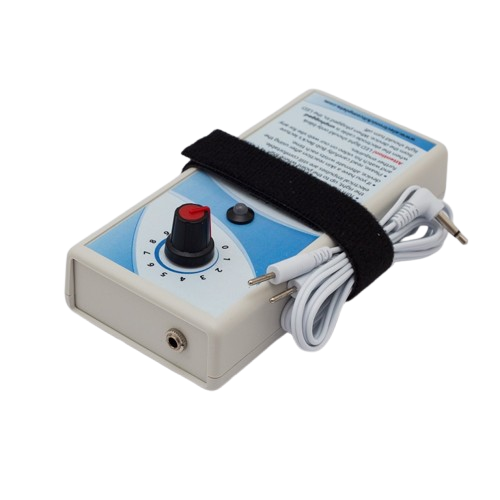
Curious about supporting your body’s natural electrical systems? Discover the Bob Beck device. Based on the research of Bob Beck, PhD., every device is personally tested before shipping to ensure quality, and we offer worldwide shipping on all orders. Take a proactive step in your wellness journey today.
Frequently Asked Questions
Does drinking more water help with fluid retention?
It might seem counterintuitive, but yes, it absolutely does. When your body doesn’t get enough water, its natural survival instinct kicks in, causing it to hold onto every drop it can. This leads to that uncomfortable, puffy feeling. By drinking plenty of water, you send a clear signal to your body that there’s no shortage. Your system can then feel safe to release the excess fluid it was hoarding, helping you feel much lighter and less bloated.
What foods help reduce water retention?
Nature has provided some powerful remedies. Focus on foods rich in potassium, as they help balance sodium levels in your body. Bananas, avocados, spinach, and sweet potatoes are excellent choices. You can also try natural diuretics like cucumber, asparagus, parsley, and celery. These foods gently encourage your body to flush out excess water and salt, offering a simple and effective way to find relief without resorting to harsh measures. It’s all about giving your body the right tools.
How can I reduce swelling in my feet and ankles quickly?
For fast relief, the simplest method is often the most effective: elevate your feet. Lie down and prop your feet up on a few pillows so they are positioned higher than your heart. This allows gravity to help drain the trapped fluid back toward the body’s core. Another great trick is a cool Epsom salt bath. Soaking your feet for 15-20 minutes can help reduce inflammation and draw out excess fluid through the skin.
Can dehydration cause you to retain water?
Yes, it’s one of the most common answers when people ask what causes fluid retention. When you’re dehydrated, your body goes into a “preservation mode.” It perceives a water shortage and begins to cling to every bit of fluid in your tissues to protect your vital organs. So, even though you feel swollen and full of water, the actual trigger is a lack of it. Staying properly hydrated is the key to telling your body it’s okay to let go.
Is fluid retention a sign of being overweight?
Not always, though the two can be related. Fluid retention is specifically about excess water trapped in your body’s tissues, while being overweight refers to an excess of body fat. People of all sizes can experience water retention. However, certain lifestyle habits that may lead to weight gain, such as a diet high in processed, salty foods or a lack of regular movement, are also known culprits for causing the body to hold onto extra water.
Why do I retain more fluid when it’s hot outside?
Your body is incredibly clever at regulating its temperature. In hot weather, your blood vessels expand to allow more blood to flow near the skin’s surface to cool you down. A side effect of this process is that it can allow small amounts of fluid to leak into the surrounding tissues. This is especially common in the hands and feet. Your body may also hold onto more water to guard against dehydration from sweating, which can add to the swelling.