
Natural Vasodilators: 15+ Foods, Herbs, and Habits to Boost Blood Flow
Are you tired of constantly cold hands and feet, no matter the season? Do you ever feel that frustrating brain fog that slows you down, or worry about your blood pressure numbers creeping up? Many people feel trapped, thinking prescription medications with their long list of side effects are the only answer. It can feel like you’ve lost a sense of control over your own body and well-being.
But what if I told you that the power to improve your circulation is likely already in your kitchen or part of a simple habit you can adopt today? The answer lies in understanding and using natural vasodilators-powerful compounds in foods and herbs that help relax and widen your blood vessels. By encouraging better blood flow, you can deliver more oxygen and nutrients to every part of your body, from your brain to your fingertips.
In this guide, we’ll explore over 15 of these incredible natural helpers. You’ll discover how to use common kitchen foods, potent herbs, and simple lifestyle changes to safely boost your circulation, feel more energetic and mentally sharp, and finally regain a sense of control over your personal health.
What Are Natural Vasodilators and Why Do They Matter?
Imagine trying to water your garden with a kinked hose. The flow is weak, and the plants don’t get what they need. Our circulatory system is much the same. When blood vessels are narrow, blood flow slows to a trickle. The solution is vasodilation-the simple process of widening our blood vessels to let blood flow freely. Think of it as un-kinking the body’s hose. While conventional medicine often relies on pharmaceuticals, many of us are looking for ways to support this process naturally. This article is your guide to powerful natural vasodilators. Please remember, this information is for educational purposes and is not a substitute for professional medical advice.
The Science of Vasodilation in Simple Terms
The magic happens inside the inner lining of your blood vessels, a layer called the endothelium. When your body needs more blood flow, the endothelium releases a key molecule: Nitric Oxide (NO). This signals the smooth muscles in your vessel walls to relax and expand. This biological process, which you can learn more about in this overview of vasodilation, is the opposite of vasoconstriction, where factors like stress or a poor diet can cause vessels to tighten, restricting flow and raising pressure.
Key Benefits of Healthy Blood Flow
When your blood vessels are open and relaxed, your entire body thanks you. Supporting healthy circulation with natural vasodilators is one of the most fundamental things you can do for your well-being. The benefits are felt system-wide:
- Supports Healthy Blood Pressure: Wider vessels mean less pressure is needed to pump blood, taking a significant load off your heart.
- Enhanced Nutrient & Oxygen Delivery: Every cell in your body, from your brain to your toes, gets a richer supply of the fuel it needs to function and repair.
- Improved Cognitive Function and Energy: Better blood flow to the brain can lead to sharper focus, clearer thinking, and a noticeable boost in daily energy.
- Aids Muscle Recovery & Performance: For active individuals, efficient circulation helps clear out metabolic waste and deliver nutrients for faster muscle repair and growth.
Top 10 Vasodilator Foods for Your Kitchen
You don’t need to look far for ways to support your circulation. Your own kitchen is likely filled with powerful, everyday foods that act as natural vasodilators. The key is knowing which ones to choose and how they work. These foods primarily help your body produce more nitric oxide (NO), the master molecule for relaxing your blood vessels. Let’s explore some of the best options you can easily add to your daily routine.
Nitrate-Rich Powerhouses: Beets, Garlic, and Leafy Greens
One of the most direct ways to boost nitric oxide is by eating foods rich in dietary nitrates. Your body has a brilliant system for converting these nitrates into NO, which directly signals the smooth muscles in your artery walls to relax and widen. This simple action can have a profound impact on blood flow and pressure.
- Beets: This earthy root vegetable is a nitrate superstar. A glass of beet juice or adding roasted beets to a salad is a simple way to get a concentrated dose.
- Leafy Greens: Spinach, arugula, and kale are packed with nitrates. Tossing a handful into a smoothie, soup, or omelet is an effortless way to boost your intake.
- Garlic: Beyond nitrates, garlic contains a sulfur compound called allicin, which is released when crushed or chopped. Allicin has been shown to help relax blood vessels and improve circulation.
Flavonoid-Packed Options: Berries, Dark Chocolate, and Citrus Fruits
Flavonoids are powerful antioxidants found in many plants that do more than just fight free radicals; they also protect the delicate lining of your blood vessels (the endothelium) and support nitric oxide production. Many of these plant-based helpers are covered in scientific literature, with researchers actively exploring Vasodilator Compounds Derived from Plants to understand their full potential. For a daily dose, try incorporating a handful of mixed berries into your breakfast or enjoying a small square of dark chocolate (at least 70% cocoa) as a healthy treat.
Citrus fruits like oranges and lemons are also excellent choices. They contain a specific flavonoid called hesperidin, which has been studied for its ability to improve endothelial function and support healthy blood flow.
Amino Acids and Spices: Watermelon, Nuts, and Cayenne
Certain amino acids are direct building blocks for nitric oxide. Watermelon is a fantastic source of L-citrulline, an amino acid that your body converts into L-arginine, which is then used to synthesize NO. Similarly, nuts and seeds like walnuts and almonds are a good source of L-arginine itself. For a spicy kick, consider cayenne pepper. Its active compound, capsaicin, can stimulate the release of nitric oxide and other vasodilating substances, creating a warming sensation that is a sign of increased circulation. These foods demonstrate the incredible variety of natural vasodilators available to us.
Powerful Herbs and Supplements for Enhanced Circulation
Beyond the food on your plate, many people have found that certain herbs and supplements can offer powerful support for circulatory health. These have been used for centuries in traditional medicine, and modern research is beginning to understand why they work. Many of these function as natural vasodilators, helping to relax and widen blood vessels for better flow.
A very important note: This information is for educational purposes only. I am a researcher, not a medical doctor. Always consult with a licensed healthcare professional before starting any new supplement regimen, especially if you have a pre-existing condition or are taking other medications.
Hawthorn Berry: A Traditional Heart Tonic
Hawthorn has a long and storied history as a “heart tonic” in traditional European medicine. Its berries, leaves, and flowers are packed with beneficial compounds like flavonoids and procyanidins, which are believed to support overall cardiovascular function and healthy blood flow. It’s a gentle yet effective herb you can find in several forms:
- Herbal tea
- Liquid tinctures
- Capsules or tablets
Ginkgo Biloba: For Brain and Peripheral Blood Flow
You’ve likely heard of Ginkgo for memory, and its benefits are directly tied to circulation. Ginkgo is well-known for its ability to enhance blood flow, particularly to the small vessels in the brain and extremities. It is thought to work in part by promoting the production of nitric oxide, a key molecule that tells your blood vessels to relax. Be cautious, however, as Ginkgo can interact with blood-thinning medications, so professional guidance is essential.
Coenzyme Q10 (CoQ10) and Omega-3s
These two supplements are a powerhouse combination for circulatory wellness. CoQ10 is a vital antioxidant found in every cell of your body, where it plays a key role in energy production. It helps protect blood vessels from oxidative stress. Omega-3 fatty acids, commonly found in fish oil, are famous for their anti-inflammatory properties. By reducing inflammation within the blood vessel walls, they help maintain their flexibility and function. While supplements are effective, remember that a healthy diet rich in fatty fish like salmon and mackerel is a great first step. These natural vasodilators work best when combined with lifestyle changes; many people find they can control high blood pressure without medication by focusing on diet, exercise, and stress reduction.

Key Lifestyle Habits That Naturally Widen Blood Vessels
While the foods you eat play a crucial role, what you do every day has an equally profound impact on your circulation. Your daily habits can either constrict your blood vessels or encourage them to relax and open. The good news is that you have direct control over these factors. By making simple, consistent changes, you can turn your lifestyle into one of the most effective natural vasodilators available.
Think of these habits not as chores, but as powerful tools for enhancing blood flow, delivering more oxygen to your cells, and supporting your overall vitality.
The Power of Movement: Consistent Exercise
When you move your body, you send a powerful signal to your circulatory system. Physical activity stimulates the endothelium-the delicate inner lining of your blood vessels-to produce more nitric oxide. This molecule is a master vasodilator, telling the smooth muscles in your artery walls to relax, which immediately widens the vessel and improves blood flow. You don’t need to run a marathon to see benefits.
- Brisk Walking: Aim for 20-30 minutes most days of the week. It’s simple, free, and incredibly effective.
- Swimming or Cycling: These low-impact activities are excellent for cardiovascular health without putting stress on your joints.
- Short Bursts: Even taking the stairs, doing a few minutes of jumping jacks, or stretching throughout the day can boost nitric oxide production.
Stress Management: Taming Cortisol
In our modern world, chronic stress is a hidden enemy of healthy circulation. When you’re constantly stressed, your body releases hormones like cortisol and adrenaline. These chemicals trigger your “fight or flight” response, which includes causing your blood vessels to tighten (vasoconstriction). This was useful for escaping predators, but it’s harmful when it becomes a chronic state. Calming your nervous system is key.
- Deep Breathing: Practice slow, deep belly breaths for just five minutes a day to lower cortisol levels.
- Meditation or Yoga: These practices are proven to reduce stress and promote relaxation throughout the body.
- Quality Sleep: Aim for 7-8 hours of quality sleep per night. It is during sleep that your body repairs itself and rebalances crucial hormones.
Heat Therapy: Saunas and Warm Baths
Applying gentle heat to the body is a simple and enjoyable way to encourage vasodilation. Heat helps the muscles in your vessel walls relax, allowing them to expand and increase blood flow. This is why your skin often appears flushed after a warm bath. Incorporating heat therapy into your routine can be a relaxing ritual that directly supports your circulatory health, making it one of the most pleasant natural vasodilators to use.
Consider a 15-minute session in a sauna a few times a week or a relaxing warm bath with Epsom salts before bed to help your blood vessels-and your mind-unwind.
Exploring Alternative Approaches for Circulation Support
While dietary and supplemental natural vasodilators form a powerful foundation for circulatory health, many people find success by looking beyond the pantry. The following approaches explore the physical and energetic systems of the body, offering different pathways to encourage healthy blood flow. These methods are not a replacement for medical advice but represent fascinating areas of traditional practice and independent research.
Acupuncture and Massage Therapy
For thousands of years, Traditional Chinese Medicine has used acupuncture to support the body’s natural balance. The traditional belief is that fine needles release blocked energy, or “Qi,” allowing it to flow freely. Interestingly, some modern research suggests that acupuncture may stimulate the release of nitric oxide, a key molecule for relaxing blood vessels. Similarly, massage therapy works by physically reducing tension in muscles, which can directly improve local blood flow and circulation to constricted areas.
The Role of Gentle Electrical Frequencies
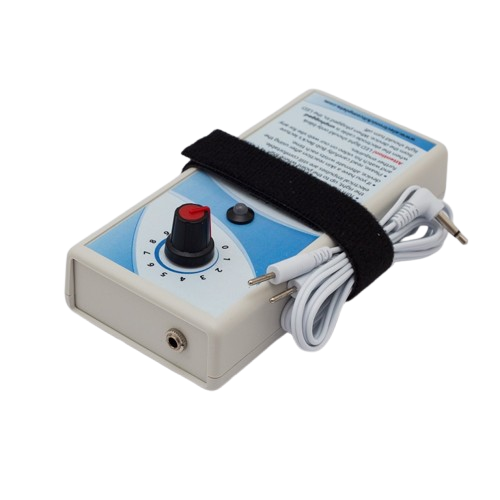
It’s easy to forget that the human body is an electrical system. Every heartbeat, nerve signal, and cellular action involves tiny electrical impulses. This concept has fascinated independent researchers for decades. Pioneers in the field, like Bob Beck, dedicated their lives to exploring how introducing gentle microcurrents into the body might work with its natural electricity. Their theories proposed that specific low-frequency currents could support blood health and improve its flow by influencing the properties of blood cells themselves.
This is a compelling field of study that continues to intrigue those looking for alternative ways to support their wellness. If you’re curious about the science that started it all, we encourage you to look at the original work. Explore the independent research that inspired our devices.
Embrace a Life of Better Flow
Taking control of your circulatory health is one of the most powerful things you can do for your overall vitality. As we’ve seen, integrating simple, delicious foods, potent herbs, and consistent lifestyle habits can make a profound difference. These everyday choices act as powerful natural vasodilators, helping to support the very foundation of your well-being. Your journey is unique, and the path to wellness is often about exploring all the tools available to you.
If your research has led you to explore beyond the conventional, we encourage you to continue that journey. Discover the Bob Beck device, a tool for exploring the principles of blood electrification. Based on the fascinating research of physicist Bob Beck and trusted by a growing community of independent health researchers, our devices are carefully assembled and ship worldwide from our European base. Here’s to your health and the discoveries you make along the way.
Frequently Asked Questions About Natural Vasodilators
Are natural vasodilators safe for everyone?
While many foods like garlic and beets are safe for most, “natural” doesn’t automatically mean safe for all, especially in supplement form. If you are pregnant, have a pre-existing health condition, or are taking medication, you must be cautious. Everyone’s body is different. It is essential to consult with a licensed healthcare professional you trust before adding any new potent supplement to your routine to ensure it is the right and safe choice for you.
How quickly can you see results from using natural vasodilators?
This varies from person to person. You might notice subtle benefits from dietary changes, like eating more nitrate-rich greens, within a few weeks. With targeted supplements like L-arginine, some people report feeling a difference more quickly. However, lasting improvement in circulation isn’t an overnight fix. It’s the result of consistent, long-term lifestyle changes. Be patient and focus on creating a sustainable, healthy routine for your body.
Can I use natural vasodilators if I am taking blood pressure medication?
You must speak with your doctor before doing this. This is not optional. Many natural substances have a powerful effect on blood pressure. Combining them with prescription medication could cause your blood pressure to drop to dangerously low levels. Only your doctor can provide safe guidance on potential interactions and help you create a plan that supports your health without creating unnecessary risk. Never self-prescribe in this situation.
What is the single best natural vasodilator?
There isn’t one single “best” for everyone, as it depends on your individual body and needs. However, some of the most effective and well-researched options include nitrate-rich foods like beets and spinach, which boost nitric oxide production. The amino acids L-arginine and L-citrulline are also incredibly popular for their direct role in vasodilation. For many, simply adding more garlic or dark chocolate to their diet is a great starting point.
Can poor circulation be reversed naturally?
For many people, yes. The body has a remarkable capacity for healing when given the right support. By making consistent lifestyle changes-such as incorporating dietary natural vasodilators, getting regular, gentle exercise like walking, quitting smoking, and managing stress-you can significantly improve blood flow. While some serious conditions require medical intervention, a natural approach can often help reverse damage from poor habits and support the circulatory system’s return to health.
Does drinking more water help with vasodilation?
Yes, absolutely. Proper hydration is critical for healthy blood flow. When you become dehydrated, your blood volume decreases, which makes it thicker and harder for your heart to pump through your vessels. Staying well-hydrated ensures your blood remains at a healthy consistency, which supports optimal circulation and allows your blood vessels to function properly. It’s one of the simplest and most effective ways to support your entire cardiovascular system.