
Natural Remedies for Headaches: A Complete Guide to Fast Relief & Prevention
That familiar, throbbing pressure begins to build behind your eyes, threatening to derail your entire day. Reaching for another pill can feel like the only option, but many of us are tired of that cycle and the side effects that can come with it. If you’ve ever felt lost in a sea of conflicting advice, searching for effective natural remedies for headaches that actually work for you, you’ve come to the right place. I understand the frustration of needing a quick, drug-free fix when pain strikes, and the desire to stop the headaches before they even start.
This guide is designed to cut through that confusion. I’m here to give you a clear, practical roadmap to managing headache pain. You will discover powerful techniques for immediate relief you can use right now, without a prescription. More importantly, we will explore the root causes of different types of headaches and build a simple, long-term strategy to prevent them from coming back. It’s time to feel empowered and take back control of your well-being, naturally and effectively.
First, Understand Your Headache: Not All Pain is the Same
When a headache strikes, our first instinct is often to reach for a quick fix. But what if the key to lasting relief wasn’t just masking the pain, but understanding its source? Not all headaches are created equal, and the cause of your discomfort directly influences which solutions will actually work. The journey to finding effective natural remedies for headaches begins with a simple question: what kind of pain is this?
By learning to identify the specific signals your body is sending, you can move beyond a one-size-fits-all approach and target the root cause. Below are the three most common types of headaches many of us experience.
Tension Headaches: The ‘Band Around the Head’ Feeling
This is the most frequent type of headache for adults. It typically feels like a dull, aching sensation with constant pressure on both sides of the head, almost like a tight band is wrapped around it. This pain can also radiate to or from the neck. Common triggers are often linked to our modern lifestyle: stress, poor posture from long hours at a desk, and eye strain from screens. While bothersome, this Tension-type headache is often manageable once the triggers are identified.
Migraines: More Than Just a Bad Headache
A migraine is a complex neurological event, not just a severe headache. The pain is often an intense, throbbing, or pulsing sensation, usually concentrated on one side of the head. But the pain is only part of the story. Migraines are frequently accompanied by other debilitating symptoms, including:
- Nausea and vomiting
- Extreme sensitivity to light and sound
- Visual disturbances known as an “aura” (e.g., flashing lights or blind spots)
Triggers can vary widely, from hormonal changes and certain foods to shifts in weather patterns.
For women who notice these headaches are cyclical, resources from specialists like Lilybalance offer guidance on supplements that can help manage the underlying hormonal fluctuations.
Sinus Headaches: Pressure and Congestion
If your pain is a deep and constant ache in your cheekbones, forehead, or the bridge of your nose, you might have a sinus headache. This occurs when your sinus cavities become inflamed and blocked, often due to an infection or allergies (sinusitis). The pain tends to worsen when you bend forward or lie down and is usually accompanied by other cold-like symptoms such as a stuffy nose, facial swelling, and sometimes a low-grade fever.
Disclaimer: While understanding your headache is the first step toward finding relief, this information is for educational purposes only. If you experience a sudden, severe headache, or if your headaches are persistent and worsening, it is crucial to consult a licensed healthcare professional to rule out any serious underlying conditions.
Immediate Relief: 5 Soothing Strategies for a Headache Right Now
When a headache strikes, your first thought is often about finding fast relief. You don’t always need to reach for a pill bottle. This toolkit is designed to give you actionable, effective natural remedies for headaches that you can use the moment pain begins. These simple strategies are backed by common sense and science, and many are part of a wider spectrum of evidence-based natural headache treatments that empower you to take control. Try one or combine a few to see what works best for you.
Temperature Therapy: The Power of Hot and Cold
Your body’s response to temperature can be a powerful tool. For a tight, constricting tension headache, apply a warm compress to the back of your neck or shoulders. The heat helps relax tense muscles, a common culprit. For a throbbing migraine, a cold pack on your forehead, temples, or neck is often more effective. The cold helps constrict blood vessels, which can reduce the sensation of pounding and numb the area.
Hydration and Key Electrolytes
It’s one of the simplest and most overlooked headache triggers: dehydration. Before you do anything else, slowly sip a glass of water. Even mild dehydration can cause your brain to temporarily contract, pulling away from your skull and causing pain. If you suspect you’ve been sweating or are particularly depleted, an electrolyte drink can help restore balance faster. Even snacking on water-rich foods like cucumber or watermelon can contribute to your hydration and ease the pain.
Gentle Pressure and Massage
You can release a surprising amount of tension with your own hands. Use your fingertips to apply gentle, steady, circular pressure to your temples for 30-60 seconds. You can also knead the muscles at the base of your skull and neck. This simple massage improves blood flow and eases muscle strain. For sinus-related headaches, try applying firm, steady pressure to the bridge of your nose on either side for about a minute while breathing deeply.
Find a Quiet, Dark Space
Headaches, especially migraines, can cause extreme sensitivity to light (photophobia) and sound (phonophobia). Overstimulation from bright screens, harsh lights, or loud noises can make the pain feel unbearable. Find the quietest, darkest room you can and simply rest for 15 minutes. Close your eyes and focus on slow, deep breathing to calm your nervous system and give your brain a much-needed break from sensory input.
Dietary & Supplemental Support for Long-Term Prevention
While many solutions offer temporary relief, the real goal is to build a body that’s more resilient to headaches in the first place. This approach shifts the focus from reacting to pain to proactively preventing it. Often, chronic inflammation and specific nutritional gaps are the hidden culprits behind recurring head pain. Thinking of food as information for your body is one of the most powerful natural remedies for headaches you can embrace for long-term wellness.
Harness the Power of Magnesium
Magnesium is a critical mineral that plays a role in over 300 biochemical reactions in your body, including nerve function and blood vessel relaxation. When you’re deficient, your nerves can become over-excited and blood vessels can constrict-a perfect storm for a headache. Studies have suggested a link between low magnesium levels and migraine frequency. You can boost your intake with:
- Dark leafy greens like spinach and kale
- Nuts and seeds, especially almonds and pumpkin seeds
- Avocados and bananas
- Dark chocolate (in moderation!)
Essential B Vitamins for Nerve Health
The B-vitamin family, particularly Vitamin B2 (Riboflavin), is essential for helping your cells produce energy. Research has shown that regular, high-dose supplementation with Riboflavin can significantly reduce the frequency of migraines in some individuals. These vitamins are crucial for maintaining a healthy nervous system. Good food sources include eggs, lean meats, dairy products, and fortified grains.
Incorporate Anti-Inflammatory Herbs and Spices
Chronic inflammation can be a major trigger for pain. Ginger contains compounds called gingerols, which have potent anti-inflammatory effects, sometimes compared to NSAIDs like ibuprofen. Try making a simple tea from fresh ginger root or adding it to your meals. Other traditional herbal remedies like feverfew and butterbur have also been studied for migraine prevention, but they can have side effects and should only be used with guidance.
Identify Your Personal Trigger Foods
While some foods are common culprits, it’s important to remember that triggers are highly individual. What affects one person may not affect you. Common suspects include aged cheeses, processed meats with nitrates, red wine, and excessive caffeine (or caffeine withdrawal). The best way to discover your personal triggers is to keep a simple food and headache diary for a few weeks to see if you can spot any patterns.
Important: The information here is for educational purposes. Always consult with a licensed healthcare professional before starting any new supplement regimen, especially if you are pregnant, nursing, or taking other medications. Self-diagnosing can be risky, and a professional can help you create a plan that is safe and effective for you.

Lifestyle Habits to Build a Headache-Resistant Body
Many people look for a magic bullet to stop pain when it strikes. But the most powerful natural remedies for headaches are not things you take, but consistent habits you build. Think of these daily practices not as chores, but as fundamental investments in your body’s resilience. By addressing the root causes of tension and chemical imbalance, you can create a system that is naturally resistant to pain triggers. It all starts with small, consistent changes that have a massive cumulative effect on your well-being.
This holistic approach also extends to the products we use on our bodies daily. Reducing your exposure to synthetic chemicals and potential irritants can be another piece of the puzzle in lowering your body’s overall stress load. For many, switching to products like Purelygreat Natural Deodorant is a simple but meaningful part of this wellness-focused lifestyle.
Prioritize a Consistent Sleep Schedule
Your brain and body perform critical repair and detoxification functions during sleep. When this cycle is disrupted, it can lead to hormonal imbalances and increased inflammation-a perfect recipe for a headache. The key is consistency. Going to bed and waking up at the same time, even on weekends, stabilizes your body’s internal clock. This simple act can dramatically reduce headache frequency and severity.
- Create a Wind-Down Routine: Turn off bright screens at least an hour before bed. The blue light can trick your brain into thinking it’s still daytime.
- Optimize Your Environment: Keep your bedroom dark, quiet, and cool for the most restorative sleep.
Master Stress with Relaxation Techniques
When you’re stressed, your body releases chemicals like cortisol and adrenaline. This “fight or flight” response also causes muscles in your neck, shoulders, and scalp to tighten, often leading to tension headaches. You can counteract this physical response by consciously activating your body’s relaxation state. Scheduling just a few minutes for these practices throughout the day is one of the most effective natural remedies for headaches caused by stress.
- Diaphragmatic Breathing: Inhale deeply through your nose, letting your belly expand, and exhale slowly through your mouth. Do this for 2-3 minutes.
- Mindful Moment: Close your eyes and focus only on the sensation of your breath for 60 seconds.
Correct Your Posture, Especially at Your Desk
Hours spent hunched over a computer or phone create what’s known as ‘tech neck.’ This forward head posture puts immense strain on the muscles and nerves in your neck and upper back, a very common headache trigger. Correcting this doesn’t require a complete overhaul, just mindful adjustments and regular breaks to release built-up tension.
- Ergonomic Check: Position your monitor so the top of the screen is at or just below eye level. Your feet should be flat on the floor.
- Desk Stretches: Every hour, gently tilt your head from side to side (ear toward shoulder) and perform slow shoulder rolls to alleviate stiffness.
By integrating these foundational habits, you empower your body to maintain its own balance. For those interested in exploring a complete approach to wellness, learning about the foundational principles of pioneers like Bob Beck can be an enlightening next step. You can discover more at electronickitcomplete.com.
Exploring Mind-Body and Alternative Approaches
Beyond diet and supplements, there’s a world of powerful techniques that tap into your body’s own systems to manage pain. These mind-body approaches are not just about distraction; they are about actively influencing your body’s response to discomfort. Many people are discovering that these non-invasive tools can be incredibly effective, especially as part of a toolkit of natural remedies for headaches and other common pains.
Acupressure: Applying Pressure to Key Points
Rooted in traditional Chinese medicine, acupressure works with your body’s energy, or Qi. The idea is that pain results from blocked energy pathways. For headaches, the most famous point is LI4 (Hegu), located in the fleshy web between your thumb and index finger. Simply pinch this area with your other hand and apply firm, circular pressure for 30-60 seconds for quick, on-the-spot relief.
Aromatherapy and Essential Oils
Our sense of smell has a direct line to the brain’s emotional and memory centers, and certain essential oils can leverage this connection to ease head pain.
- Peppermint Oil: Its cooling menthol is excellent for tension headaches. Apply a diluted drop to the temples.
- Lavender Oil: Known for its calming properties, it can help with relaxation during a migraine. Try diffusing it or inhaling it from a tissue.
Important: Always dilute essential oils with a carrier oil like coconut or jojoba oil before applying them to your skin to prevent irritation.
Biofeedback and Electrical Stimulation
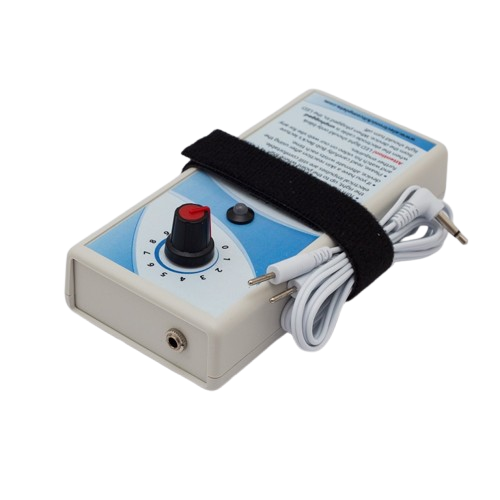
This is where modern technology meets your body’s innate intelligence. Biofeedback teaches you to control bodily functions you normally don’t think about, like muscle tension, which can be a game-changer for tension headaches. A related field explores how mild electrical frequencies can support wellness. Devices using Transcutaneous Electrical Nerve Stimulation (TENS) work on a simple principle: gentle electrical pulses can interrupt or “scramble” pain signals before they reach the brain.
This drug-free approach is one of the more fascinating natural remedies for headaches and is being explored for all sorts of pain management. It’s a testament to how our bodies are fundamentally electrical systems. If you’re curious about how pioneers like Bob Beck have explored this technology, you can learn more about the principles of bio-electric wellness here.
Take Control of Your Headaches, Naturally
Throughout this guide, we’ve explored the power you hold to manage and prevent headache pain. You’ve learned that lasting relief isn’t about a single magic bullet, but a combination of understanding your specific triggers, applying immediate soothing strategies, and making long-term lifestyle adjustments. Embracing these natural remedies for headaches is a powerful first step toward reclaiming your days from pain.
This journey into self-empowered wellness is something we are passionate about. Our work is based on the pioneering research of Bob Beck, and for over a decade, we have been shipping our unique kits to people seeking alternative paths to well-being all over the world. We believe in providing tools that help you take an active role in your own health.
We are here to help you on that path with personal, dedicated support for all our users. Curious about non-drug approaches to wellness? Explore our research.
Your journey to a clearer head and a more vibrant life is within reach. Take that next step with confidence.
Frequently Asked Questions
How long do natural remedies for headaches typically take to work?
The time it takes for natural remedies for headaches to work really depends on the method you choose. A physical remedy like applying a cold compress to your forehead or the back of your neck can provide relief in just a few minutes. However, remedies involving herbs like feverfew or dietary changes, such as increasing magnesium intake, may require consistent use over several days or even weeks before you notice a significant reduction in headache frequency or severity.
Is it safe to combine natural remedies with over-the-counter pain medicine?
You have to be your own health advocate here. While simple remedies like hydration or a cold pack are perfectly safe to combine with medicine, you should be cautious with herbs. Some herbs, like feverfew or ginkgo biloba, can interact with medications, especially blood thinners like aspirin. It’s always a smart idea to consult with a licensed healthcare professional who understands both conventional and alternative approaches before you start mixing different treatments for your own peace of mind.
Is caffeine helpful or harmful for headaches? The advice seems conflicting.
It’s confusing because caffeine is a double-edged sword. A small amount can be helpful, which is why it’s an ingredient in many over-the-counter pain relievers-it can help the body absorb the medicine faster and has its own pain-relieving properties. However, if you regularly consume a lot of caffeine, you can experience rebound headaches or withdrawal headaches if you suddenly stop. The key is moderation and consistency; avoid sudden changes in your daily intake.
When should I stop trying home remedies and see a doctor for my headache?
While home remedies are great for common tension headaches, you should seek immediate medical attention for certain red flags. Go to a doctor if you experience a sudden, severe headache that feels like the “worst of your life.” Other warning signs include a headache accompanied by a stiff neck, fever, confusion, weakness on one side of your body, or vision changes. These could be signs of a more serious underlying condition that home remedies simply can’t address.
Are there any risks or side effects associated with herbal headache remedies?
Yes, it’s a common misconception that “natural” always means “safe.” When exploring herbal natural remedies for headaches, be aware they can have side effects. For instance, feverfew can cause mouth sores or digestive upset in some people. Butterbur, another popular herb, must be processed to remove certain liver-harming compounds. It’s vital to do your own research, purchase high-quality supplements from trusted sources, and understand the potential risks before you begin taking them.
Can exercise help with headaches, or does it make them worse?
It can do both, depending on the type and intensity of the exercise and the type of headache. For tension headaches, gentle, low-impact exercise like yoga, tai chi, or a brisk walk can be very effective. These activities release endorphins and reduce stress, which often helps relieve the pain. However, sudden, strenuous exercise can sometimes trigger migraines in susceptible individuals. The best approach is to start slow and focus on consistent, moderate activity to prevent headaches.