
Foods That Increase Blood Flow: A Natural Guide to Better Circulation & Vitality
Do you constantly battle with icy hands and feet? Or maybe it’s that frustrating numbness, a persistent brain fog, or a general lack of energy that’s holding you back. These aren’t just minor annoyances; they’re often signals from your body that your circulation needs a helping hand. Before turning to complex solutions, it’s worth looking at what nature has already provided. The truth is, you can take direct control of your vitality, and it starts right on your plate with powerful foods that increase blood flow.
In this guide, we’re going to explore the simple, effective ways to support your cardiovascular system from the inside out. We’ll uncover the top fruits, vegetables, spices, and daily habits that can naturally get your blood moving, helping you feel warmer, more energetic, and mentally sharp. My goal is to empower you with the knowledge to reclaim your well-being, using the incredible healing power of food. Let’s get started.
Why Healthy Blood Flow is the Key to Your Vitality
When we talk about circulation, it’s easy to get lost in medical terms. But let’s think about it differently. Imagine your blood flow as a powerful river running through your body-a ‘river of life.’ This river doesn’t just move blood; it delivers everything your cells need to thrive: oxygen, nutrients, and healing compounds. When this river flows freely, you feel it. You have more energy, your mind is sharp, and your body can repair itself efficiently. But when it becomes sluggish, you feel that, too-as fatigue, brain fog, and a persistent chill you just can’t shake.
The good news is that you have more control over this internal river than you might think. You don’t need to be a doctor to understand its signals. Improving your circulation is about making simple, natural choices, starting with what’s on your plate. By learning about foods that increase blood flow, you can begin to restore your body’s natural vitality from the inside out.
What Your Body is Telling You: Signs of Sluggish Circulation
Your body is an intelligent system, and it sends clear signals when something is amiss. If your circulation is slow, you might notice some common signs. Think of these not as problems, but as messages asking for a little help:
- Cold hands and feet, even in a warm room
- Numbness or a “pins and needles” sensation in your extremities
- Swelling in your legs, ankles, and feet
- Brain fog or difficulty concentrating
- Slow-healing cuts or sores
- Pale or bluish-looking skin
Recognizing these signals is the first step toward taking natural, proactive action to get your river of life flowing freely again.
The Science of Circulation in Simple Terms
So, how do we encourage better blood flow? It comes down to helping our blood vessels do their job. The key process is called vasodilation, which is just a fancy word for your blood vessels relaxing and widening. Think of it as turning a narrow country lane into a wide-open highway, allowing more traffic (blood) to pass through easily.
A tiny molecule called nitric oxide is the master signal for this process. It tells the muscles in your artery walls to relax. At the same time, we want to reduce things that clog up the highway, like inflammation and plaque buildup. If left unchecked, these roadblocks can contribute to serious long-term issues like Cardiovascular disease. Fortunately, many natural compounds found in foods that increase blood flow are known to support nitric oxide production and reduce inflammation, helping keep your internal highways clear.
Top 10 Powerhouse Foods to Boost Your Circulation
While complex health issues can seem daunting, improving your circulation can start right in your kitchen. Making simple, consistent changes to what you eat is one of the most effective strategies. We’ve compiled a list of the top foods that increase blood flow, giving your body the raw materials it needs to thrive and support its natural healing processes.
Nitrate-Rich Vegetables: Beets and Leafy Greens
This group is nature’s secret weapon for circulation. Vegetables like beets, spinach, kale, and arugula are packed with dietary nitrates. Once you eat them, your body cleverly converts these nitrates into nitric oxide (NO), a powerful molecule that relaxes and widens your blood vessels, allowing blood to move more freely. Many studies on foods for improved blood circulation highlight this nitrate-to-NO pathway. This effect is so potent it can even enhance athletic performance.
- Simple Tip: Drink a small glass of beet juice before a workout or roast whole beets as a side dish. Toss a large handful of spinach or arugula into your daily salad or smoothie.
Antioxidant-Packed Fruits: Berries & Pomegranates
Free radicals and inflammation can damage the delicate lining of your blood vessels. That’s where vibrant fruits come in. Berries (blueberries, strawberries, raspberries) and pomegranates are loaded with antioxidants and polyphenols. These compounds act like bodyguards for your arteries, protecting them from oxidative stress and keeping them flexible and healthy.
- Simple Tip: Add a cup of mixed berries to your morning oatmeal or yogurt. A small glass of 100% pomegranate juice can also provide a concentrated dose of these protective nutrients.
Healthy Fats & Fish: Salmon and Walnuts
Not all fats are created equal. Omega-3 fatty acids are superstars for heart and circulatory health. Found in fatty fish like salmon, mackerel, and sardines, these fats fight inflammation throughout the body and also encourage the release of blood-flow-enhancing nitric oxide. For a plant-based option, look no further than walnuts.
- Simple Tip: Aim to eat a serving of fatty fish twice a week. For a daily boost, snack on a handful of walnuts or sprinkle them over a salad.
The Allium Family: Garlic and Onions
Used for centuries to promote health, garlic and onions have powerful circulation-boosting properties. Garlic contains sulfur compounds, like allicin, which help relax your blood vessels. Onions are an excellent source of the flavonoid antioxidant quercetin, which is known for supporting blood vessel health. These are some of the most accessible foods that increase blood flow and can be added to almost any savory dish.
- Simple Tip: For the best effect, use fresh, crushed garlic in your cooking rather than powder. Add raw or cooked onions to soups, stir-fries, and sauces to easily reap their benefits.
Spices & Herbs: The Circulation Power-Ups in Your Kitchen
You don’t need to completely overhaul your diet to see improvements. Sometimes, the most powerful changes come in the smallest packages. When searching for foods that increase blood flow, many people overlook the incredible potential hiding right in their spice rack. For centuries, traditional medicine has used warming spices to invigorate the body and get the blood moving. Think of them as a simple, daily way to supercharge any meal or drink with circulation-boosting benefits.
Cayenne Pepper: The Fiery Vasodilator
That familiar heat from cayenne pepper comes from a remarkable compound called capsaicin. Capsaicin encourages your body to produce more nitric oxide, a gas that signals your blood vessels to relax and widen-a process known as vasodilation. This allows blood to move more freely. Over time, it also helps strengthen the walls of your arteries and capillaries. Don’t be intimidated by the heat; a tiny pinch in a soup, stew, or sprinkled over eggs is all you need to get started. You’ll also find capsaicin in topical creams used to ease muscle pain by drawing blood to the area.
Turmeric: The Golden Anti-Inflammatory
Turmeric’s brilliant golden color comes from its active compound, curcumin, a potent anti-inflammatory. Chronic inflammation can damage the lining of your blood vessels, leading to narrowing and poor circulation. By calming this inflammation, curcumin helps keep your circulatory pathways clear and efficient. For best results, always pair turmeric with a pinch of black pepper. The piperine in black pepper can boost your body’s absorption of curcumin by up to 2,000%!
- Easy Use: Stir a teaspoon into curries, rice, or roasted vegetables.
- Warming Drink: Make a “golden milk” latte by whisking turmeric, a pinch of black pepper, and other spices into warm milk.
Ginger & Cinnamon: Warming and Supportive Spices
Ginger and cinnamon are a classic warming duo that work wonders for circulation. Ginger has been shown to support healthy blood pressure and prevent blood from becoming too sticky, both of which are crucial for smooth flow. Cinnamon complements this by helping blood vessels relax and dilate. Together, they are some of the most accessible foods that increase blood flow and are incredibly easy to incorporate into your daily routine.
- Ginger: Start your day with a simple tea made from fresh ginger slices steeped in hot water.
- Cinnamon: Sprinkle it on your morning oatmeal, into your coffee, or over a baked sweet potato for a delicious, circulation-friendly boost.

Lifestyle Habits That Amplify Your Diet’s Effects
While choosing the right foods that increase blood flow is a powerful first step, it’s only part of the story. True circulatory health comes from a holistic approach where your diet is supported by simple, consistent daily habits. Think of it this way: your food provides the building blocks for healthy blood vessels, but your lifestyle determines how efficiently that system runs. These small adjustments don’t require a gym membership or a complete life overhaul-just a commitment to supporting your body’s natural processes. The results can be profound.
The Importance of Hydration
One of the simplest and most overlooked factors in blood circulation is water. When you’re dehydrated, your blood volume decreases, causing it to thicken. This makes it much harder for your heart to pump, slowing down the delivery of oxygen and nutrients. Aim to drink pure water consistently throughout the day. Avoid sugary sodas and juices, which can trigger inflammation and damage the delicate lining of your blood vessels. Herbal teas like ginger or hibiscus are excellent, hydrating alternatives.
Movement is Medicine: Simple Daily Activities
You don’t need to run a marathon to get your blood moving. The goal is to avoid being stagnant. Gentle, consistent movement acts like a secondary pump for your circulatory system, especially for pushing blood back up from your legs and feet. Simple actions make a huge difference:
- Take a brisk 15-minute walk during your lunch break.
- Do simple stretches at your desk every hour.
- Choose the stairs instead of the elevator.
- Stand up and move around during phone calls.
These small acts stimulate circulation and prevent blood from pooling in the lower extremities.
Stress Management and Circulation
Chronic stress is a silent enemy of good blood flow. When you’re stressed, your body releases hormones like cortisol, which can constrict blood vessels and raise blood pressure. Over time, this constant tension damages your arteries. Counteracting this is simple: consciously relax. Practice deep breathing for just five minutes a day. This simple technique can lower blood pressure and signal to your vascular system that it’s safe to open up. Prioritizing quality sleep is also critical, as this is when your body performs vital vascular repair.
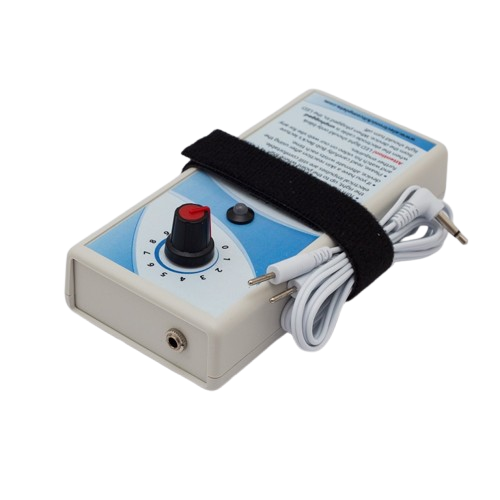
By integrating these habits, you create an environment where the foods that increase blood flow can work most effectively. For those exploring every avenue to support their body’s natural electrical and circulatory systems, many find value in complementary approaches. You can learn more about one such method at electronickitcomplete.com.
Beyond Diet: Exploring Other Natural Paths to Enhanced Blood Health
While incorporating foods that increase blood flow is a powerful and essential first step, it’s just one tool in the toolbox for achieving true well-being. For those of us committed to optimizing our health, it’s beneficial to look at the body as an interconnected system. Diet provides the fuel, but how can we support the highways-our circulatory and energetic pathways-that deliver that fuel? This section explores other simple, natural methods to enhance your body’s vitality from the inside out.
The Role of Body Temperature and Therapy
Ancient wellness traditions have long used temperature to invigorate the body. Practices like saunas, steam rooms, and contrast showers (alternating between hot and cold water) do more than just feel good. The rapid shift in temperature encourages your blood vessels to expand (vasodilation) and contract (vasoconstriction). Think of it as a passive workout for your entire circulatory system, helping to promote flexibility and robust flow without stepping on a treadmill.
Bio-Energy and Electrical Vitality in the Body
It’s a fascinating fact that our bodies are fundamentally electrical. Every cell membrane holds a small electrical charge, and our nervous system transmits information using electrical impulses. This bio-electrical energy is crucial for cellular communication, repair, and overall vitality. When our cellular “voltage” is optimal, our systems function more efficiently. Historical and modern researchers have explored how gentle, supportive microcurrents can help maintain the body’s natural electrical balance, a compelling area of self-health exploration.
Exploring these concepts reveals that supporting our health is a holistic endeavor. It goes beyond the amazing benefits of foods that increase blood flow and into the very energy that animates our cells. Intrigued by natural health solutions? Explore our approach to vitality.
Your Journey to Enhanced Circulation and Vitality
As we’ve explored, your path to better circulation is paved with simple, powerful choices. Filling your plate with nutrient-rich foods that increase blood flow and incorporating key spices is a foundational step. When you combine these dietary habits with positive lifestyle changes like regular movement, you create a powerful synergy for your overall health.
But diet is just one piece of the puzzle. For those seeking to explore every avenue of natural wellness, other tools can complement your efforts. At Electronic Kit Complete, we are dedicated to Bob Beck’s research into natural vitality. We believe in empowering individuals with non-medical, alternative health solutions and proudly ship all our wellness kits worldwide.
If you’re ready to explore beyond diet, we invite you to discover natural and effective tools for enhancing your well-being.
Your health is in your hands. Take the next step on your journey to vitality today.
Frequently Asked Questions About Improving Blood Flow
How long does it take to improve blood flow with diet?
There is no magic timeline, but many people report feeling a difference within a few weeks of making consistent dietary changes. You might notice more warmth in your hands and feet first. For more significant, lasting improvements to your cardiovascular system, it’s best to think in terms of months, not days. Your body has a remarkable ability to heal; you just need to give it the right building blocks and be patient with the process.
What drinks are best for increasing circulation?
Pure water is your most important tool, as proper hydration keeps your blood from becoming thick and sluggish. Beyond water, beet juice is a powerhouse because it’s rich in nitrates, which help widen blood vessels. Pomegranate juice and green tea are also excellent choices. They are loaded with antioxidants that protect the delicate lining of your blood vessels from damage, which is crucial for maintaining healthy, flexible arteries and promoting strong circulation.
Can I improve circulation without taking medication?
Absolutely. Many people find that they can make incredible progress by using natural methods that are entirely within their control. Focusing on a diet rich in foods that increase blood flow, getting regular movement like daily walks, and finding ways to manage stress are foundational pillars of circulatory health. It’s about working with your body’s natural systems to restore function, rather than simply managing symptoms. You have more power over your health than you may think.
Are there any foods I should avoid for better blood flow?
Yes, what you remove from your diet can be as important as what you add. The main things to limit are heavily processed foods, especially those high in trans fats, excessive sugar, and refined table salt. These ingredients can promote inflammation and stiffness in the arteries, making it much harder for blood to move freely. Think of it as clearing debris from a pipe-removing these foods helps open up the pathways for better flow.
Besides cold hands and feet, what are other signs of poor circulation?
While cold extremities are a classic sign, there are many others. You might experience numbness, tingling, or a “pins and needles” sensation in your arms and legs. Other signals can include swelling in the feet (edema), persistent fatigue, muscle cramps when walking, and even issues like brain fog or memory problems. These are all potential messages from your body that your cells aren’t getting the oxygen-rich blood they need to function optimally.
Is it possible to have poor circulation even if I am active?
Yes, it’s entirely possible. While exercise is one of the best things you can do for your circulation, it’s not the only factor. A person can be active but still have a diet that causes inflammation, smoke, or have an underlying condition that impedes blood flow. Even sitting for long hours at a desk can counteract the benefits of your workout. A holistic approach that includes diet, movement, and stress management is the most effective strategy.