
Electric Muscle Therapy: A Beginner’s Guide to Benefits, Risks, and Uses
Are you tired of that nagging muscle ache that just won’t quit? Or maybe you’re frustrated with how long it takes to bounce back after a workout, and the confusing alphabet soup of TENS and EMS only adds to the headache. It’s natural to be skeptical-the idea of using electricity on your body can sound intimidating. But many people have found that this approach is one of the most direct ways to manage discomfort and support the body’s natural healing process. This is the simple, powerful idea behind electric muscle therapy.
I’ve seen the confusion and heard the questions, which is why I created this simple beginner’s guide. My goal is to cut through the complicated jargon and show you exactly how this technology works in plain English. Together, we’ll explore the real-world benefits for pain relief and muscle recovery, understand the risks, and give you the confidence you need to safely explore its potential for yourself. You can find a better way to feel good in your body, and this guide will show you how to get started.
Key Takeaways
- Discover the critical difference between EMS and TENS to choose the right device for your specific goals, whether for pain relief or muscle strengthening.
- Learn how electric muscle therapy can go beyond simple pain management to help accelerate workout recovery and improve muscle performance.
- Understand the simple safety guidelines that make at-home muscle stimulation a secure and effective tool when used correctly.
- Follow a clear, step-by-step guide to run your first at-home session confidently, taking the guesswork out of getting started.
What Is Electric Muscle Therapy and How Does It Work?
At its core, electric muscle therapy is a method of using safe, low-voltage electrical pulses to influence your muscles and nerves for a therapeutic benefit. When people hear “electricity,” they often think of a dangerous shock from a wall socket. This couldn’t be more different. The currents used in these therapies are carefully controlled, gentle, and designed to work with your body, not against it.
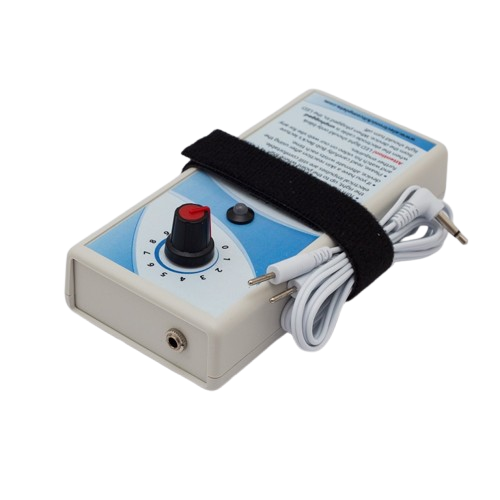
The entire process is surprisingly simple. It involves a small, often battery-powered device connected to wires with adhesive electrode pads on the end. You place these pads on your skin over a specific muscle group or painful area. The device then sends targeted electrical pulses through the pads, aiming to either cause a muscle to contract or to stimulate nerves to achieve a desired outcome, like pain relief or muscle re-education.
The Basic Science in Simple Terms
Your body is already an electrical system. Your brain sends tiny electrical signals down your nerves to tell your muscles when to tighten and when to relax. Electric therapy devices essentially mimic this natural communication process from an external source. Here’s how it breaks down:
- Your brain naturally sends electrical impulses to make your muscles move.
- An electric therapy device creates its own controlled, gentle pulses.
- These signals travel from the device, through the electrode pads on your skin, and into the targeted nerves and muscle fibers.
- This can trigger an involuntary muscle contraction (making the muscle twitch or tighten) or interact with nerve endings to help block pain signals from reaching your brain.
Key Types of Electric Therapy You’ll Encounter
While the basic principle is the same, different devices use different types of electrical waveforms to achieve specific goals. You’ll most often hear about two main types:
EMS (Electrical Muscle Stimulation): This form of therapy is designed to directly stimulate your motor neurons to create muscle contractions. It’s widely used by physical therapists and athletes for muscle strengthening, preventing muscle atrophy after an injury, and improving recovery. As explained on Wikipedia, Electrical muscle stimulation (EMS) bypasses the central nervous system to create these contractions, making it a powerful tool for rehabilitation and fitness.
TENS (Transcutaneous Electrical Nerve Stimulation): Unlike EMS, TENS focuses on stimulating sensory nerve endings to provide pain relief. The goal isn’t to create a strong muscle contraction but to “distract” the nerves and block pain signals from traveling to the brain, while also encouraging the body to release its own natural painkillers (endorphins).
Other, more specialized forms you might see mentioned include FES (Functional Electrical Stimulation) for helping restore function after paralysis and Microcurrent Therapy, which uses extremely low-level currents to promote healing.
EMS vs. TENS: Understanding the Crucial Difference
When people first explore electric muscle therapy, the most common point of confusion is the difference between EMS and TENS. While both use electrical currents and pads placed on the skin, their purpose and the way they work are completely different. The main distinction lies in their goal and the type of nerves they target.
Think of it with this simple analogy: EMS is like a ‘gym for your muscles,’ actively working them out. TENS, on the other hand, is like a ‘gate for pain,’ working to block pain signals from ever reaching your brain.
Electrical Muscle Stimulation (EMS) Explained
The primary goal of EMS is to cause a muscle to contract. It does this by sending signals directly to your motor nerves, which are responsible for muscle movement. This forced contraction can help strengthen weak or injured muscles, improve recovery after a workout, and prevent muscle atrophy if you’re unable to move a limb. When using an EMS device, it’s important to understand its intended application for safe and effective use as a component of physical therapy and athletic training.
- Feels Like: A distinct grabbing, tightening, or rhythmic contraction of the muscle.
- Who Uses It: Athletes for performance and recovery, and patients in physical therapy to rebuild strength.
Transcutaneous Electrical Nerve Stimulation (TENS) Explained
A TENS unit has a completely different mission: pain relief. Instead of targeting motor nerves, it targets sensory nerves. The gentle electrical current aims to either scramble or block pain signals from traveling along those nerves to your brain. It doesn’t cause strong muscle contractions. By interrupting the pain signal, it provides temporary, symptomatic relief for a wide range of conditions, from arthritis to back pain.
- Feels Like: A gentle tingling, buzzing, or pins-and-needles sensation on the skin.
- Who Uses It: Individuals managing chronic pain, arthritis, sciatica, or acute injury pain.
Which One Do You Need? A Quick Comparison Table
To make it even clearer, here is a simple breakdown of EMS vs. TENS. This table will help you quickly identify which form of electric muscle therapy aligns with your personal health goals.
| Feature | EMS (Muscle Stimulation) | TENS (Nerve Stimulation) |
|---|---|---|
| Goal | Muscle contraction, strengthening, and recovery. | Pain relief by blocking nerve signals. |
| Sensation | Rhythmic grabbing and contracting of the muscle. | Tingling or buzzing on the skin’s surface. |
| Common Uses | Post-workout recovery, physical rehabilitation, preventing muscle atrophy. | Chronic back pain, arthritis, nerve pain, labor pain, injuries. |
| How It Works | Targets motor nerves to make muscles physically contract and relax. | Targets sensory nerves to interrupt or block pain signals to the brain. |

The Top 7 Benefits of Electric Muscle Therapy
While the science behind electrical muscle stimulation is fascinating, what truly matters are the real-world results people experience every day. Moving beyond the technical details, electric muscle therapy offers a wide range of practical advantages that can help you manage pain, accelerate fitness goals, and recover from injury. It’s a simple tool with a powerful impact.
Let’s explore the top benefits and how they might connect to your personal health needs.
1. A Drug-Free Approach to Pain Management
For those living with chronic pain, finding relief without relying on medication can feel like a constant battle. Electrical muscle therapy offers a non-invasive alternative. By sending gentle electrical pulses to the affected area, it can interrupt pain signals traveling to the brain and encourage the body to release its own natural painkillers, called endorphins. This makes it a valuable tool for managing discomfort from conditions like:
- Chronic back pain
- Arthritis
- Nerve-related pain (neuropathy)
- Fibromyalgia
2. Faster Recovery for Athletes and Fitness Enthusiasts
Intense exercise is great for the body, but the resulting soreness can sideline you for days. This is where electrical stimulation shines. By increasing blood circulation to your muscles, it helps flush out metabolic waste and deliver the oxygen and nutrients needed for repair. This can significantly reduce Delayed Onset Muscle Soreness (DOMS). Many athletes also use it as a warm-up tool to activate muscle fibers before a workout, potentially improving performance and reducing injury risk.
3. Powerful Support for Muscle Rehabilitation
After an injury or surgery, muscles can weaken or “forget” how to contract properly. This therapy helps re-establish that mind-muscle connection. It can prevent muscle atrophy (wasting away) by artificially contracting the muscles when you can’t do it yourself. As you heal, it serves as a supplement to traditional physical therapy, helping to re-educate and strengthen muscles. Research from sources like Medical News Today has explored these potential benefits for strengthening and tissue repair, adding credibility to its use in a recovery setting.
Interested in alternative health approaches? Discover the Bob Beck protocol.
Is Electric Muscle Therapy Safe? A Look at Risks & Best Practices
The idea of using electricity on your body can sound a little intimidating at first. It’s a natural question to ask: is it safe? The simple answer is yes. When used correctly and with a bit of common sense, electric muscle therapy is an incredibly safe and effective tool that has been used by physical therapists and health enthusiasts for decades. The key is understanding the basic rules of operation and knowing when this therapy is not the right choice for you.
Think of it like any powerful tool: in the right hands, it works wonders. We’re here to give you the straightforward knowledge you need to be in control and use it with complete confidence.
Who Should Avoid Electric Muscle Therapy?
While this therapy is safe for most people, there are specific situations where you must consult a healthcare professional before use. It’s crucial to avoid use if you fall into any of these categories:
- You have a pacemaker or other implanted electronic device. The electrical currents from the therapy unit can interfere with the function of these life-sustaining devices.
- You are pregnant. Specifically, avoid placing electrodes over the abdomen, lower back, or certain acupuncture points, as the effects on the fetus are not well-studied.
- You have been diagnosed with epilepsy or a serious heart condition. It’s best to get clearance from your doctor, as electrical stimulation could pose a risk.
- You are placing it on your head or the front of your neck. Never place electrodes over the carotid sinus (front/side of the neck), as this can cause a severe drop in blood pressure. Keep pads away from your head and eyes entirely.
Potential Side Effects and What to Expect
For the vast majority of users, the side effects are very minor. The most common issue is slight skin irritation from the adhesive on the electrode pads, which usually fades quickly. You can minimize this by cleaning your skin beforehand and rotating the pad placement slightly with each session.
The sensation itself should feel like a tingling, buzzing, or a gentle muscle contraction. It might feel strange at first, but it should never be painful. If you feel any pain, you have the intensity set too high. It’s also possible to feel some muscle soreness the next day, much like after a good workout. This is simply a sign that your muscles have been activated, but it also means you should use a lower intensity next time.
Best Practices for Safe Home Use
Following a few simple rules will ensure your experience with electric muscle therapy is both beneficial and completely safe.
- Always start low. Begin every session at the lowest possible intensity setting. Slowly increase it until you feel a comfortable sensation or muscle twitch. More is not better; the goal is gentle stimulation.
- Prep your skin. Always apply the electrode pads to clean, dry skin that is free of lotions or oils. This ensures good connection and extends the life of your pads.
- Follow your device’s instructions. Every machine is slightly different. A well-designed kit will have clear, simple guidelines to ensure you get the most out of it safely.
- Never use it in or near water. This includes while bathing or showering. Also, do not use the device while sleeping or driving.
Getting Started With Your First At-Home Session
You’ve learned about the potential of electric muscle therapy, and now you’re ready to experience it for yourself. Taking that first step can seem complicated, but it’s much simpler than you think. This guide is designed to cut through the noise and show you exactly what to look for in a device and how to safely conduct your first session right at home. Think of this as your personal roadmap to getting started.
What to Look for in a Home Device
Not all devices are created equal. Many are overpriced and loaded with features you’ll never use. When you’re searching, focus on the fundamentals that deliver real results. Here’s what truly matters:
- Power and Portability: Do you need to be near an outlet, or do you want freedom of movement? Rechargeable units offer convenience, while simple battery-powered devices are reliable and easy to maintain.
- Control and Customization: Look for a device with a variety of preset programs and, most importantly, fully adjustable intensity levels. This ensures you can tailor the session to your specific needs and comfort.
- Quality Components: The electrode pads are your connection to the device. Ensure they are made from quality, skin-safe materials. It’s also wise to check if replacements are affordable and easy to find.
- Clear Guidance: A good manual is essential. The best solutions come from creators who offer direct support and clear, simple instructions. A well-designed kit will always prioritize user understanding and safety.
Your First Session: A Step-by-Step Guide
Ready to begin? Your initial experience with electric muscle therapy should be gentle and exploratory. The goal is to find what feels right for your body. Follow these simple steps to ensure a safe and effective first session.
Step 1: Read the Manual. Every device is slightly different. Before you do anything else, spend a few minutes reading the instructions that came with your specific unit. This is the most important step.
Step 2: Place the Electrode Pads. Clean and dry the skin over the target muscle. Place the pads on either side of the muscle group you want to address, ensuring they are firmly attached but not overlapping.
Step 3: Start Low. Turn the device on and select your desired program, but always begin at the absolute lowest intensity setting. You should feel nothing at first, and that’s perfectly normal.
Step 4: Increase Intensity Slowly. Gradually increase the power level until you feel a distinct but comfortable tingling or pulsing sensation in the muscle. It should feel pleasant, never painful. If you feel any discomfort, you’ve gone too far. Listen to your body-it’s your best guide.
Embrace the Power of Electric Muscle Therapy
You now have a solid foundation for understanding this powerful wellness tool. From grasping the crucial difference between EMS and TENS to knowing the potential benefits and safety best practices, you’re equipped with the right knowledge. The most important takeaway is that harnessing the power of electricity for your well-being doesn’t have to be complicated. With the right guidance, you can confidently begin exploring electric muscle therapy from the comfort of your own home, taking a proactive role in your own recovery and pain management.
When you feel ready to take that next step, we are here to make it simple. Our work is based on the pioneering research of figures like Bob Beck, and we’ve become a trusted resource for the global alternative health community by focusing on one thing: simple, powerful at-home devices. We believe this technology should be accessible to everyone. Explore our simple, effective at-home electrotherapy kits and begin your journey toward enhanced well-being today.
Frequently Asked Questions About Electric Muscle Therapy
What does electric muscle therapy feel like? Does it hurt?
It’s a unique sensation, not a painful one. Most people describe it as a tingling or buzzing feeling, similar to pins and needles, right where the pads are placed. As you increase the intensity, you will feel your muscles gently twitch or contract. It should never be painful. If you feel any stinging or burning, the intensity is likely too high. The goal is to find a level that feels strong and engaging, but still comfortable for you.
How often can I use an EMS or TENS unit?
This depends on why you’re using it. For pain relief with a TENS unit, you can safely use it for 30-minute sessions several times a day. For muscle strengthening with an EMS unit, it’s better to treat it like a workout. Using it 3 to 4 times a week on a specific muscle group gives those muscles adequate time to recover and adapt. Always listen to your body and don’t overdo it, as rest is just as important.
Can electric muscle therapy actually build muscle and make me stronger?
Yes, it can be a powerful tool for this. An EMS unit creates deep, involuntary muscle contractions, which helps activate muscle fibers-sometimes even more than a voluntary workout can. While electric muscle therapy isn’t a replacement for regular exercise, it’s an excellent supplement for increasing strength, speeding up recovery, and preventing muscle atrophy after an injury. Combining it with your existing fitness routine is where you’ll see the best results.
Will electric muscle therapy help with nerve pain like sciatica?
Many people find significant relief from nerve pain like sciatica by using a TENS unit. The electrical pulses work by interrupting the pain signals before they can reach your brain, a concept called the “Gate Control Theory.” This form of electric muscle therapy doesn’t cure the root cause of the problem, but it can be an amazing, drug-free way to manage the pain daily, reduce discomfort, and improve your ability to move more freely.
Are the results of electric muscle therapy permanent?
The results are best described as ongoing, not permanent. For pain relief, the effects last for a period after your session, but you’ll need to continue using the device regularly to manage chronic pain. For muscle strengthening and toning, the results are similar to traditional exercise. If you stop using the EMS unit and cease physical activity, the muscle gains will gradually fade over time. Consistency is the key to maintaining the benefits you achieve.
Can you use a TENS or EMS unit while sleeping?
It is strongly recommended that you do not use a TENS or EMS unit while sleeping. During sleep, you can’t control the settings or notice if something is wrong. The electrode pads could shift to a sensitive area like the front of your neck, or the wires could become tangled. This poses a safety risk. It’s always best to complete your therapy session while you are awake and aware, then turn the unit off before you go to sleep.
How long do the electrode pads last and how do I care for them?
With good care, your electrode pads should last for 20 to 30 uses. To make them last, always apply them to clean, dry skin that is free of any lotions or oils. After each use, place a tiny drop of water on the sticky gel side to keep it hydrated. Then, place them back on the plastic sheet they came with and store them in a cool, dry place. When they no longer stick firmly to your skin, it’s time to replace them.