
Comparing Medical Device Companies: Our Take on Big Industry vs. Independent Innovators
Have you ever felt like just another number in the massive corporate healthcare system? When you look at the price tag on a simple device, does it feel like your health is being held for ransom by a faceless corporation? You’re not alone. This growing frustration is why so many of us are starting to look beyond the usual list of big-name medical device companies for real answers and genuine care.
But what if there’s another path? A world of passionate, independent innovators who believe technology should be accessible, affordable, and put the power back in your hands. These are often hobbyists and researchers driven not by shareholder reports, but by a genuine desire to help people. In this article, we’ll pull back the curtain to compare the corporate giants with these independent creators. We’re here to help you understand your options, find trustworthy solutions, and feel empowered to take control of your health journey outside the mainstream.
Key Takeaways
- Understand the business model of major medical device companies and how it directly impacts the cost and accessibility of modern healthcare.
- Discover a growing movement of independent innovators who prioritize personal empowerment and affordability over corporate profits.
- Gain a framework for evaluating alternative health devices by focusing on creator transparency and personal due diligence, not just brand names.
- See how a single researcher’s journey can inspire health solutions that aim to put control back into your hands.
The Giants of the Medical Device Industry: Who They Are and What They Do
When you think of modern medicine, you might picture doctors and nurses, but behind them stands a massive global industry of medical device companies. Giants like Medtronic, Johnson & Johnson, and Stryker are the architects of the tools that make modern healthcare possible. From the scalpel a surgeon uses to the pacemaker that regulates a heartbeat, their products are deeply integrated into nearly every medical procedure. A quick look at a list of major medical device manufacturers reveals a vast network of corporations dedicated to this mission. Their strengths are clear: enormous research and development (R&D) budgets, rigorous safety testing, and a worldwide distribution network that gets critical supplies where they need to be.
Innovation at Scale
These large companies are the engines of medical advancement, pouring billions into developing next-generation technology. They lead the charge in fields like robotic-assisted surgery, high-resolution diagnostic imaging, and smart implants that monitor patient health in real-time. Before any device reaches a hospital, it must undergo a long and arduous journey of clinical trials and gain approval from regulatory bodies like the U.S. Food and Drug Administration (FDA), a process designed to ensure both safety and effectiveness for patients.
The Corporate Structure and its Focus
It’s important to understand that these major medical device companies primarily serve healthcare systems, not individual consumers. Their business model is built on large-scale procurement contracts with hospitals, surgical centers, and government health programs. Revenue is driven by insurance reimbursements and bulk orders, not direct-to-patient sales. Their primary goal is straightforward: to create trusted, high-quality solutions for diagnosed medical conditions, providing doctors with the reliable tools they need to treat illness and save lives.
The Hidden Costs of the Mainstream Model
We are often told to put our full trust in the mainstream model of healthcare, but it’s worth asking: what is the true cost? It’s not just the shocking price tag on a new surgical robot or imaging machine. The hidden costs are passed down to all of us-in our insurance premiums, our taxes, and most importantly, in a system that can feel slow, impersonal, and disconnected from genuine wellness.
Accessibility and Affordability Issues
Have you ever wondered why cutting-edge medical technology is so expensive? The journey from an idea to a patient-ready device is incredibly long and costly. Major medical device companies spend fortunes not just on research, but on marketing and navigating a dense web of bureaucracy. This system, detailed in the FDA’s Overview of Device Regulation, is designed for safety but also creates immense financial barriers. Once a device is approved, patents are used to create a monopoly, locking in high prices for years and stifling competition. This creates a tragic gap between what science can achieve and what the average person can actually access.
A Reactive vs. Proactive Approach to Health
Perhaps the biggest flaw in the mainstream model is its fundamental approach. The system is overwhelmingly structured to be reactive-it waits for you to get sick and then offers a tool to manage the symptoms. The entire economic incentive for many large medical device companies is built around disease management, not disease prevention. Where is the focus on simple, affordable wellness tools that empower individuals to maintain their health proactively? This reactive model can leave people feeling powerless, as if their health is something that happens to them, rather than something they can actively cultivate every single day. It’s a system that treats the problem, but too often ignores the person.

The Rise of Independent Innovators in Health Tech
Beyond the corporate giants lies a vibrant and growing ecosystem of health tech innovators. These aren’t the massive, publicly-traded medical device companies you might be familiar with; they are often small-scale researchers, passionate engineers, and direct-to-consumer (D2C) brands. Their philosophy is fundamentally different, prioritizing user empowerment, simplicity, and affordability. They thrive by exploring ideas outside the mainstream, often focusing on wellness, biohacking, and personal health experimentation-areas where individuals seek more control over their own well-being.
What Drives Independent Innovation?
This movement is fueled by a deep personal passion to solve real-world problems. Many innovators start by addressing a health challenge they or a loved one faced. They often build upon accessible historical findings from pioneers like Bob Beck, whose research continues to inspire new devices. Operating without shareholder pressure or immense corporate overhead gives them the freedom to pursue niche solutions that larger companies might deem unprofitable, leading to genuine breakthroughs in personal health technology.
The focus here is less on treating diagnosed diseases and more on enhancing overall wellness. While the official Medical Technology Industry Overview details a highly regulated sector geared towards hospitals and clinics, these independent creators serve a different audience: the proactive individual. This is the world of biohacking, where people use technology to optimize their body’s performance and take preventative measures, turning personal health into a hands-on project.
The Direct-to-Consumer Advantage
By selling directly to users, these innovators build a powerful relationship based on trust and transparency. They can offer personalized support and share the science and stories behind their products without a corporate filter. This direct connection empowers users to understand the tools they are using. You can see how this kind of independent research leads to powerful, accessible tools that put health back into the hands of the individual.
How to Evaluate Alternative and Independent Health Devices
When you explore options beyond the mainstream medical device companies, the evaluation process shifts. Instead of relying on corporate approvals and large-scale marketing, the responsibility falls on you to do your own due diligence. This isn’t a downside; it’s an opportunity to connect directly with the technology and the people who believe in it. The key is to look for authenticity and community-driven evidence, not just regulatory stamps.
This hands-on approach puts you in the driver’s seat of your own health journey, empowering you to find what truly works for you based on shared knowledge and personal experience.
Look for Transparency and Authenticity
A trustworthy independent device creator isn’t hiding behind a corporate logo. They are often personally invested and transparent about their journey. When investigating a product, ask yourself these questions:
- Who is the creator? Do they share their own story and personal experience with the device? A real person with a real passion is a powerful indicator of authenticity. We believe in this so strongly that we share our full story at electronickitcomplete.com.
- Is the science explained? They should clearly outline the principles or research the device is based on, like the work of Bob Beck. You shouldn’t need a PhD to understand the core concept.
- Are there clear disclaimers? Honest creators are upfront about a tool’s intended use. They will distinguish between a ‘wellness tool’ for personal research and a regulated ‘medical device’ intended to treat a disease.
Assessing a Device’s Principles
Understanding the “how” and “why” behind a device is crucial. First, research the theories it’s based on. Are there patents or historical papers you can look up? Second, seek out long-term user communities. Forums and online groups provide a wealth of anecdotal evidence and practical tips that you won’t find in a corporate brochure from large medical device companies.
Finally, consider the risk profile. Is the device non-invasive, simple to use, and easy to stop if you choose? Low-risk tools offer a much safer way to conduct your own personal wellness experiments and discover what works for your body.
A Case Study: The Philosophy Behind the Bob Beck Device
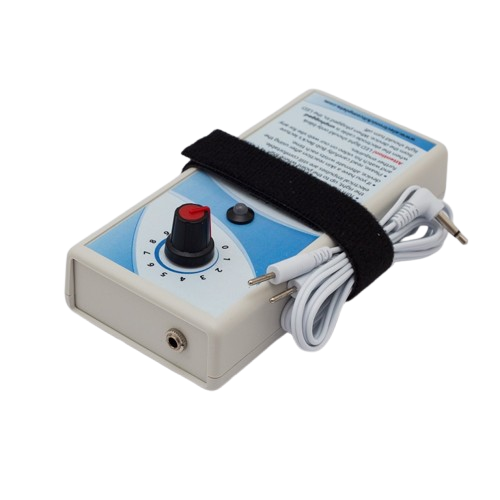
When comparing medical device companies, most of the conversation revolves around massive corporations with extensive R&D departments and multi-million dollar marketing budgets. But what about innovation that happens outside this system? The Bob Beck device offers a fascinating case study in grassroots discovery, born from the passionate, independent research of physicist Bob Beck. It champions a philosophy starkly different from the mainstream: one built on simplicity, affordability, and personal empowerment.
This device was never conceived as a complex, profit-driven medical machine. Instead, it was developed as a simple, elegant tool for individuals to conduct their own wellness research. It stands as a testament to the idea that powerful concepts don’t always require institutional backing. It is explicitly offered not as a medical treatment, but as an aid for those who take a proactive role in their well-being journey.
Empowerment Through Simplicity
The core philosophy is that knowledge and tools for wellness should be accessible to everyone. The device is intentionally designed to be straightforward, focusing on one well-defined principle: blood electrification. This avoids the layers of complexity and professional gatekeeping that can make modern health technology feel intimidating and out of reach. It’s a tool for your home, not just a hospital, allowing you to explore its potential on your own terms.
A Different Kind of Trust
Where large corporations build trust through clinical trials and regulatory approvals, the Bob Beck community builds it through transparency, shared knowledge, and direct support. Our commitment is to the individual researcher-the person who reads, questions, and experiments. We stand behind our work with a personal guarantee because we believe in the legacy of Bob Beck’s research. If this hands-on approach to wellness resonates with you, we invite you to discover the story behind our device and decide for yourself.
This model fosters a relationship, not just a transaction. It’s a fundamental departure from the impersonal scale of most medical device companies, focusing instead on building a community of empowered users who are actively engaged in their pursuit of well-being.
Your Health, Your Choice: Beyond the Big Names
The landscape of health technology is far more diverse than just the industry giants. As we’ve seen, the established model often comes with complexities, while a new wave of independent innovators is offering accessible, user-focused alternatives. The key takeaway is that you have the power to look beyond the mainstream and investigate different philosophies for personal wellness, just as Bob Beck did with his pioneering research.
While large medical device companies play a significant role, the spirit of independent discovery empowers individuals to explore new paths. This isn’t about rejecting one for the other; it’s about expanding your options and taking an active role in your own well-being.
If you’re ready to learn more about a device born from this very philosophy, we encourage you to explore the Bob Beck device and take your wellness research into your own hands. Based on the accessible research of Bob Beck and run by a dedicated independent researcher, each unit comes with the assurance of worldwide shipping and a money-back guarantee. Your journey of discovery is waiting.
Frequently Asked Questions
Who are the top 5 largest medical device companies in the world?
By revenue, the giants of the industry are typically Medtronic, Johnson & Johnson (through its MedTech division), Abbott Laboratories, Siemens Healthineers, and Becton, Dickinson and Company (BD). These corporations have vast product portfolios, from surgical robots and pacemakers to diagnostic imaging equipment and lab supplies. Their sheer size gives them enormous influence over the healthcare landscape, but it doesn’t always mean they are the most innovative or responsive to individual health needs.
What is the difference between a regulated medical device and a general wellness device?
The main difference is the claim being made. A regulated medical device is intended to diagnose, treat, cure, or prevent a specific disease and requires strict, expensive oversight from an agency like the FDA. A general wellness device, on the other hand, is intended only for general health purposes, like tracking fitness or promoting relaxation. This distinction is why many powerful, simple technologies remain in the wellness category, avoiding the costly and complex regulatory maze.
Why aren’t alternative health devices like the Bob Beck Protocol approved by the FDA?
The FDA approval process is designed for patentable new drugs and complex, high-profit devices. A simple electronic circuit, like the one described by Bob Beck, is based on principles of physics and cannot be patented. Without a patent, no corporation is willing to spend the hundreds of millions of dollars required for clinical trials. The system is set up to reward profitable inventions, not necessarily the most effective or accessible solutions for people’s health.
Is it safe to use electronic wellness devices that are not from a major corporation?
Safety often comes from simplicity and transparency, not a corporate logo. Many independent devices use low, safe voltages and have straightforward designs with high-quality components. It’s important to choose a maker who is open about their schematics and provides direct support. Remember, large corporations have massive product recalls all the time. A dedicated, small-scale maker who personally tests every unit can often provide a very reliable and safe tool for your wellness journey.
How can I verify the claims made by independent health device makers?
Become your own researcher. Don’t just rely on testimonials; try to understand the science or theory behind the device. Look for makers who openly share information, schematics, and the history of their technology. Explore user forums and communities to see real-world results and discussions. A trustworthy maker will empower you with knowledge and encourage you to learn, not just ask you to blindly believe their claims. They should be able to explain how and why it works.
What are the main criticisms of the large, corporate medical device industry?
The biggest criticisms center on profit-driven motives. Many believe large medical device companies prioritize shareholder returns over patient outcomes, leading to inflated prices that burden our healthcare system. They are also criticized for using their power to suppress simpler, non-patentable, and more affordable solutions. Innovation can be slow due to bureaucracy, and there’s a heavy focus on treating symptoms with complex devices rather than addressing root causes of illness.