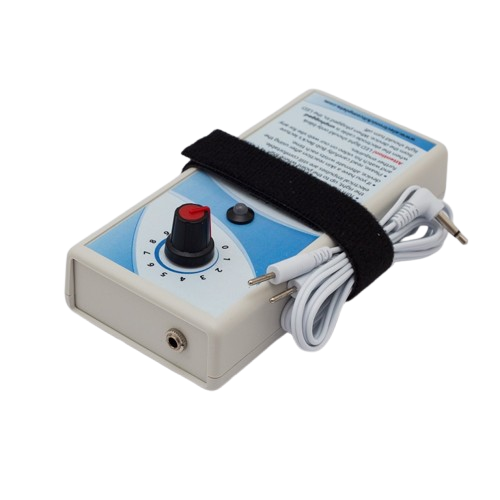

At-Home Electrotherapy Machines: A Beginner’s Guide to Safety & Effectiveness
Have you ever looked at an at-home electrotherapy machine and felt a mix of hope and hesitation? I hear it all the time. On one hand, you’re looking for a real, non-drug solution for pain or wellness. On the other, a flood of questions can be overwhelming: Is it safe to use without a doctor? Will I get shocked? What’s the real difference between TENS, EMS, and all the others? It’s completely normal to feel this way when you’re exploring new paths to well-being.
Think of this article as your friendly, straightforward guide. We’re going to cut through the confusion together. You’ll learn the simple science behind how these devices work, how to confidently choose the right one for your needs, and most importantly, how to use it safely and effectively. By the end, you won’t just understand what an electrotherapy machine is-you’ll know if it’s the right tool to help you on your personal health journey.
Key Takeaways
- Learn to distinguish between different devices to choose the right electrotherapy machine for your specific goals, from pain relief to general vitality.
- Master the essential safety practices for at-home use, giving you the confidence to explore bio-electric wellness effectively and without worry.
- Discover the unique Bob Beck approach and understand how its focus on overall health sets it apart from conventional electrotherapy methods.
- Follow a practical checklist to ensure the device you select is a perfect match for your personal wellness objectives, not just technical specs.
What is At-Home Electrotherapy and How Does It Work?
The term “electrotherapy” might sound intimidating, but the concept is surprisingly simple and has been explored for decades. At its heart, it’s about using controlled, very gentle electrical pulses to interact with your body’s natural systems. To get a full picture of its history and clinical uses, it helps to ask, What is Electrotherapy? in the broader medical sense. While professionals use powerful machines for specific treatments, at-home devices are designed for personal wellness. Think of an electrotherapy machine as a way to give your body a targeted ‘recharge,’ gently reminding its own electrical network how to function optimally.
The Basic Science Behind the Pulses
How can such a gentle current have an effect? The magic is in how it communicates with your body. These electrical pulses work in several ways. For one, they can run interference on pain signals. By stimulating sensory nerves, the pulses can effectively “close the gate” on pain messages trying to reach the brain, providing temporary relief. Secondly, the current can cause muscles to gently contract and relax. This action can help soothe tension, improve local blood flow, and even help re-educate muscles that have been inactive. On a deeper level, many researchers believe that specific frequencies can influence cellular activity, encouraging the body’s natural repair and detoxification processes.
Why Use an Electrotherapy Machine at Home?
Bringing this technology into your home is all about taking back control and making wellness a consistent part of your life. Instead of relying solely on appointments that can be costly and infrequent, you gain the ability to support your body on your own terms. It’s a proactive step in managing your own health.
- Unmatched Convenience: Use your device whenever you need it, whether it’s first thing in the morning or while relaxing in the evening, all in the privacy of your home.
- Power of Consistency: True progress often comes from daily, consistent application. An at-home unit makes this practical and achievable, unlike weekly appointments.
- Personal Empowerment: You become the expert on your own body. You learn to listen to its needs and can respond immediately, fostering a deeper connection to your personal health journey.
Common Types of At-Home Electrotherapy Machines: A Comparison
When you hear the term electrotherapy machine, it’s easy to picture a single type of device. But the reality is much more diverse. The world of at-home electrotherapy includes several distinct technologies, each designed with a very specific purpose in mind. From managing chronic pain to enhancing athletic recovery or exploring overall wellness, the right device for you depends entirely on your personal goals. Let’s look at the three most common categories you’ll find.
TENS (Transcutaneous Electrical Nerve Stimulation) Units
TENS units are designed primarily for one thing: pain relief. By sending small electrical impulses through electrodes placed on the skin, these devices work to block or scramble the pain signals traveling along nerves to your brain. This can provide temporary relief from both chronic conditions like arthritis and sciatica, and acute pain from injuries. They don’t heal the underlying issue but can be a powerful tool for managing discomfort.
EMS (Electrical Muscle Stimulation) Devices
Unlike TENS, which targets nerves, EMS devices target muscles directly. They send signals that cause your muscles to contract and relax involuntarily. This technology is popular among athletes for muscle conditioning, speeding up post-workout recovery, and helping to prevent muscle atrophy during rehabilitation. Because they are often marketed for fitness, it’s wise to consult the FDA safety guidelines to understand their approved uses and limitations.
Bio-Electric Wellness Devices (e.g., Bob Beck Protocol)
This category moves beyond pain and muscle and into the realm of general wellness and bio-hacking. Devices based on protocols like Dr. Bob Beck’s introduce very specific, low-frequency microcurrents into the body. The goal isn’t to block pain or contract muscles, but to support the body’s natural electrical systems and processes. These are for individuals looking to explore alternative health pathways and take a proactive approach to their well-being.
| Device Type | Primary Goal | How It Works |
|---|---|---|
| TENS Unit | Temporary Pain Relief | Blocks or scrambles pain signals sent to the brain. |
| EMS Device | Muscle Conditioning & Recovery | Causes involuntary muscle contractions to simulate exercise. |
| Bio-Electric Device | General Wellness | Introduces specific microcurrents to support bodily functions. |
As you can see, choosing an electrotherapy machine isn’t a one-size-fits-all decision. The key is to first identify your objective. Are you trying to manage pain, build muscle, or support your body’s systemic health? Answering that question is the first and most important step to finding the technology that can truly help you on your wellness journey.

Is At-Home Electrotherapy Safe? Key Precautions and Best Practices
Let’s address the most common question we hear: is it safe to use an electrotherapy machine at home? The idea of applying electrical currents to your body can sound intimidating, but when used correctly, these devices have a strong safety profile. The absolute key to a safe and positive experience is simple: read and follow the manufacturer’s instructions to the letter. Think of it as a user’s pact-understanding your device is the first step toward achieving the results you want without any risks.
Who Should AVOID Electrotherapy?
While generally safe, this technology isn’t for everyone. It’s crucial to know the contraindications. You should avoid using electrotherapy, or at the very least consult a doctor first, if you have any of the following:
- An implanted electronic device like a pacemaker or defibrillator.
- A history of epilepsy or a seizure disorder.
- Serious heart conditions or arrhythmias.
- You are currently pregnant (especially avoid the abdominal and lower back areas).
Additionally, never place electrode pads over open wounds, rashes, infected skin, or on the front of your neck or across your temples (head). When in doubt, your doctor is your best resource.
Best Practices for Safe Application
Getting into a routine of good habits will ensure every session is safe and effective. Here are the core rules to live by:
- Start Low, Go Slow: Always begin a session at the lowest intensity setting. You can gradually increase it to a level that feels strong but comfortable.
- Prep Your Skin: Make sure the application area is clean and completely dry. Oils and lotions can interfere with the electrode pads’ adhesion.
- Check Your Gear: Regularly inspect your electrode pads. If the gel is worn out or they no longer stick well, it’s time to replace them for consistent results.
- Stay Alert: Never use your device while sleeping, driving, operating heavy machinery, or near water (like in the bath or shower).
Understanding the ‘Tingling’ Sensation
What should it feel like? An at-home electrotherapy machine shouldn’t cause pain. Instead, you should feel a distinct tingling, buzzing, or gentle vibrating sensation under the pads. For some applications, you might also feel a mild, involuntary twitching of the muscle. Devices like Transcutaneous Electrical Nerve Stimulation (TENS) units are specifically designed to create this sensation to help manage pain. If you ever feel a sharp, burning, or painful feeling, stop the session immediately. This usually means the intensity is too high or the pads need to be repositioned.
Important Disclaimer: The information provided here is for educational purposes only and is not a substitute for professional medical advice. Always consult with a licensed healthcare professional before beginning any new treatment or if you have questions about your medical condition.
Choosing the Right Machine for Your Needs: A Practical Checklist
Once you understand the potential of at-home electrotherapy, the next question is a practical one: which device is right for you? The market is filled with options, but the best electrotherapy machine isn’t the one with the most buttons or the fanciest screen. It’s the one that directly addresses your personal health goals.
Instead of getting lost in technical specifications, start by asking yourself one simple question. Your answer will point you in the right direction and make your choice clear and simple.
Checklist: What is Your Primary Goal?
Take a moment to identify what you truly want to achieve. Most devices are designed for one of three core purposes:
- Are you seeking relief from specific, localized pain? If you’re targeting issues like back pain, joint soreness, or nerve pain, a device focused on TENS (Transcutaneous Electrical Nerve Stimulation) is often the recommended starting point.
- Are you an athlete looking for muscle recovery? For those wanting to stimulate muscles, prevent atrophy, or accelerate recovery after a workout, an EMS (Electrical Muscle Stimulation) unit is designed for that exact purpose.
- Are you exploring overall vitality and wellness? If your goal is more holistic-to support your body’s natural energy, cleanse your system, and enhance overall vitality-then a Bio-electric device based on research from pioneers like Dr. Bob Beck may be what you’re looking for.
Features to Look For
Once you know your “why,” you can evaluate the “what.” Regardless of the type, a quality electrotherapy machine should offer a few key features that put you in control and ensure long-term use.
- Adjustable Controls: Look for a device with multiple intensity levels and, if applicable, different program modes. This allows you to customize the experience to your comfort and needs.
- Clear Instructions & Support: The best tool is useless if you don’t know how to use it. Prioritize devices that come with simple, easy-to-understand guides and have accessible customer support if you have questions.
- Available Replacement Parts: Electrode pads and lead wires wear out over time. Ensure that you can easily purchase replacements to keep your device running for years to come.
Many commercial devices are complex and focus only on temporary symptom relief. If your goal is foundational health and supporting your body’s natural electrical balance, a simpler approach is often more powerful. Explore a simple, effective device for general wellness.
The Bob Beck Approach: A Unique Path to Bio-Electric Wellness
While most discussions about at-home electrotherapy center on TENS units for pain or EMS for muscle training, there is another path entirely. The Bob Beck Protocol stands apart, shifting the focus from treating specific symptoms to enhancing the body’s overall vitality. This approach was pioneered by Robert “Bob” C. Beck, a physicist with a deep interest in bio-electronics. He wasn’t a medical doctor, but a researcher who believed that simple electrical principles could be used to support the body’s natural systems.
His work resulted in a unique type of electrotherapy machine designed not for muscles or nerves, but for a concept he called “blood electrification.” It represents a different philosophy-one focused on foundational wellness from the inside out, making it a popular tool for those on an alternative health journey.
What is ‘Blood Electrification’?
The theory behind the Bob Beck Protocol is surprisingly straightforward. It involves applying very small, specific microcurrents to the skin directly over the ulnar and radial arteries on the wrist. The goal isn’t to stimulate muscles but to introduce a gentle electrical energy into the bloodstream. Proponents believe this supports the body’s natural purification and immune systems. It is important to understand this is a wellness concept for personal research and not a medical treatment for any disease.
Why Choose a Bob Beck Device?
For those exploring bio-electricity, the Bob Beck device offers a clear and simple starting point. Unlike a complex, multi-purpose electrotherapy machine with dozens of settings, this device is built for one thing. Its appeal lies in its simplicity and accessibility.
- Singular Focus: It is designed specifically for the Bob Beck Protocol, with no confusing modes or attachments.
- Ease of Use: The protocol is well-documented and easy to follow at home, typically involving daily sessions for a set period.
- User Empowerment: It resonates deeply with individuals interested in proactive wellness, self-experimentation, and foundational health.
If this unique approach to bio-electric wellness speaks to you, you can explore the technology for yourself. Discover the original Bob Beck device, shipped worldwide.
Your Path to Wellness: The Power of Bio-Electricity
Navigating the world of at-home electrotherapy can feel complex, but it doesn’t have to be. As we’ve explored, the key is understanding how these devices work, always prioritizing safety, and identifying the approach that aligns with your personal health goals. Making an informed choice is the most important step in harnessing the potential of any electrotherapy machine. This knowledge empowers you to move beyond the mainstream and take an active role in your own well-being.
If you’re drawn to a method grounded in decades of independent research, the work of physicist Bob Beck offers a fascinating path. At Electronic Kit Complete, we are proud to offer a device built on his pioneering principles. To ensure you receive a quality product, every single device is personally tested before shipping. We believe this technology should be accessible to everyone, which is why we offer worldwide shipping from our workshop in Europe.
Ready to explore a different path to wellness? See our Bob Beck device.
Your journey toward a new level of vitality is just beginning.
Frequently Asked Questions
Can you overuse an electrotherapy machine?
Yes, it is possible. Following the recommended session times is important because using an electrotherapy machine for too long or too often can lead to skin irritation under the pads or muscle fatigue. Think of it like exercise – your body needs time to rest and recover. Always start with the guidelines provided in your device’s manual and pay close attention to how your body feels.
Does electrotherapy actually hurt?
It absolutely should not hurt. Proper electrotherapy should feel like a tingling, buzzing, or gentle pulsing sensation. If you are using a muscle stimulation setting, you will feel a comfortable contraction. If you experience any sharp, stinging, or painful feelings, the intensity is set too high. You should immediately turn down the power until the sensation is strong but pleasant. Pain is always a signal to stop and readjust.
What’s the real difference between a TENS unit and a Bob Beck device?
This is a great question because they are built for completely different purposes. A TENS unit is designed for pain management by sending electrical signals that can block pain messages from reaching your brain. A Bob Beck device, however, is based on the principle of blood electrification. It uses a specific microcurrent frequency at the wrist arteries with the goal of neutralizing microbes in the blood, which is a totally different approach to wellness.
How do I know where to place the electrode pads correctly?
Pad placement is critical and depends entirely on your device. For TENS units, you generally place the pads directly on or surrounding the area of pain to intercept the pain signals. For a Bob Beck device, the protocol is very specific: the electrodes are placed over the ulnar and radial arteries on the inside of one wrist. This ensures the microcurrents can reach the bloodstream effectively. Always consult your user manual for precise diagrams.
Are more expensive electrotherapy machines better?
Not always. A higher price tag often reflects more pre-programmed modes, a fancy digital screen, or just a well-known brand name, but it doesn’t guarantee better core results. A simple, well-built electrotherapy machine that delivers the correct frequency and waveform can be just as, if not more, effective. It is better to focus on the device’s specifications, build quality, and what other users say about their results, not just the price.
How long does it take to see results from at-home electrotherapy?
This depends on the type of device and your goal. With a TENS unit for pain, many people feel relief within minutes of starting a session. For a Bob Beck device, the effects are cumulative as you are supporting your body’s internal environment over time. Most people report noticing real changes after consistent, daily use for several weeks. For these types of devices, patience and consistency are the most important factors.