
A Complete Guide to Deep Vein Thrombosis (DVT) Medical Devices
The fear of a blood clot is a heavy weight to carry. When doctors talk about DVT, the conversation often jumps straight to lifelong medications or invasive procedures, leaving you feeling anxious and powerless. It’s a frustrating position, especially when you feel that simply managing symptoms with pharmaceuticals isn’t getting to the root of the problem: circulation. If you’re looking for real solutions to feel safe and in control of your health, you’ve come to the right place. There is a whole world of technology designed to help.
This guide was created to empower you with knowledge about the full spectrum of deep vein thrombosis medical devices. We will look at everything from the hospital-grade compression systems you may already know to the fascinating and often overlooked at-home technologies that can support your body’s natural flow. My goal is to give you a clear understanding of all your options so you can make informed decisions, improve your circulation, and find the peace of mind you deserve.
Key Takeaways
- Understand why DVT is more than a simple leg clot and learn about its direct link to the life-threatening risk of a pulmonary embolism.
- Distinguish between hospital-grade deep vein thrombosis medical devices used for active treatment and the proactive tools available for prevention.
- Discover why supporting healthy blood circulation is the most powerful, proactive step you can take to prevent dangerous clots from forming in the first place.
- Explore emerging at-home technologies designed to enhance circulation, giving you more control over your daily wellness and preventative care routine.
What is Deep Vein Thrombosis (DVT) and Why is Prevention Crucial?
Deep Vein Thrombosis (DVT) is, in simple terms, a blood clot that forms in a vein located deep inside your body, most often in the leg. Think of your veins as highways for blood flow; a DVT is like a serious traffic jam that can have dangerous consequences. The primary danger isn’t the clot itself, but the risk of a piece breaking off and traveling to the lungs, causing a life-threatening blockage called a pulmonary embolism (PE).
This is a serious medical condition that requires a professional diagnosis. For a complete clinical overview, you can read more about What is Deep Vein Thrombosis?, but the key takeaway is that proactive prevention is always more effective than reactive treatment. It’s far better to keep the highways clear than to deal with a major pile-up after it has already happened.
Recognizing the Symptoms of DVT
One of the most challenging aspects of DVT is that it can be a silent condition-nearly half of all cases present no symptoms at all. However, when symptoms do appear, they typically occur in one leg and can include:
- Swelling: The affected leg may become swollen and feel tight.
- Pain or Tenderness: You might feel a cramping or soreness, often described as a charley horse.
- Warmth and Redness: The skin over the affected area may feel warmer than the surrounding skin and appear red or discolored.
If you notice any of these signs, especially after a period of inactivity, it is essential to consult a healthcare professional immediately.
Who is Most at Risk?
While DVT can affect anyone, certain factors significantly increase your risk by slowing blood circulation. Inactivity is the common thread, as your calf muscles play a key role in pumping blood back to your heart. The main risk groups include:
- Post-Surgical Patients: Immobility during recovery is a major risk factor. This is why hospitals often use deep vein thrombosis medical devices like compression pumps.
- Long-Haul Travelers: Sitting for hours on a plane or in a car restricts blood flow.
- Other Factors: Increased risk is also associated with older age, obesity, smoking, and a family history of blood clots.
Understanding if you fall into these categories is the first step toward taking preventative measures to protect your circulatory health.
Standard Medical Devices for DVT Prevention and Treatment
When it comes to managing Deep Vein Thrombosis, the medical community relies on a set of clinically-proven tools. These are not everyday gadgets but prescribed solutions used in high-risk scenarios, such as after major surgery, during long hospital stays, or for individuals with known clotting disorders. A key distinction is made between devices designed to prevent a clot from forming and those used to treat a dangerous clot that already exists. Understanding these standard deep vein thrombosis medical devices is the first step in grasping the conventional approach to safeguarding your circulation.
Intermittent Pneumatic Compression (IPC) Devices
If you’ve ever been in a hospital post-surgery, you may have seen or used an IPC device. These systems consist of inflatable cuffs or sleeves that wrap around the calves. A pump then inflates and deflates them in a timed cycle, gently squeezing the leg muscles. This action mimics the natural muscle contraction of walking, pushing blood through the veins and preventing it from becoming stagnant. As a non-invasive mechanical method, Intermittent Pneumatic Compression Devices are a cornerstone of DVT prevention in clinical settings.
Graduated Compression Stockings
Perhaps the most common preventative tool, graduated compression stockings are specialized hosiery designed to apply gentle, consistent pressure to your legs. The “graduated” part is crucial: the pressure is strongest at the ankle and gradually decreases up the leg. This helps fight the effects of gravity, encouraging blood to flow upward toward the heart and reducing swelling. They are a simple, low-risk tool often recommended for long-distance travel or for daily wear by those with circulatory challenges.
Surgical and Interventional Devices
When a DVT has already formed and poses a significant risk, doctors may turn to more advanced deep vein thrombosis medical devices and procedures. These are not for prevention but for actively treating a dangerous clot, especially for patients who cannot use standard blood-thinning medications.
- Vena Cava Filters: For patients at high risk of a clot traveling to their lungs (a pulmonary embolism), a tiny, cage-like filter can be surgically placed in the body’s largest vein, the vena cava, to intercept and trap large clots.
- Catheter-Directed Thrombolysis: In this procedure, a thin tube (catheter) is guided directly to the clot, where it delivers powerful clot-dissolving medicine. This is used for severe DVT to restore blood flow quickly.
- Thrombectomy and Stents: A thrombectomy is the surgical removal of a blood clot. In some complex cases, after the clot is removed, a small mesh tube called a stent may be placed inside the vein to help keep it open.

The Critical Role of Healthy Blood Circulation in DVT Prevention
While much of the focus on DVT is on treating a clot once it has formed, the real power lies in prevention. Understanding how to support your body’s circulatory system can dramatically reduce your risk. While the medical field has developed effective mechanical prophylactic devices for DVT for high-risk situations like post-surgery recovery, our daily choices play a foundational role. The primary culprit in clot formation is often venous stasis-a condition where blood flow slows down or becomes stagnant, particularly in the deep veins of the legs. When blood isn’t moving efficiently, clotting factors can accumulate and form a dangerous thrombus.
Supporting your body’s natural systems is the key. This involves a shift from reactive intervention to proactive wellness, bridging the gap between medical treatments and your personal health journey. By focusing on the quality and flow of your blood, you empower your body to maintain its own defense against DVT.
Lifestyle Factors That Impact Circulation
Simple, consistent habits can have a profound impact on your vascular health. Think of these not as chores, but as investments in a healthy, free-flowing circulatory system. Key areas to focus on include:
- Regular Movement: Prolonged sitting is a major risk factor. Even simple actions like flexing your ankles, performing leg lifts at your desk, or taking short walking breaks every hour can significantly boost blood flow in your lower extremities.
- Proper Hydration: Dehydration increases blood viscosity, making it thicker and harder for your heart to pump. Drinking plenty of water helps maintain optimal blood thickness, allowing it to move smoothly through your veins.
- Vascular-Supportive Diet: Foods rich in omega-3 fatty acids (like salmon and flaxseeds), antioxidants (berries and leafy greens), and natural anti-inflammatories can help support the health and flexibility of your blood vessels.
The Electrical Nature of Blood Cells
Beyond these well-known factors, there is a fascinating biophysical principle at work within your bloodstream. Every red blood cell in your body carries a subtle negative electrical charge. This is not a fringe theory but a fundamental aspect of cellular biology. This charge causes the cells to naturally repel one another, much like opposing magnets. This repulsion is crucial for preventing them from clumping together, ensuring they flow freely even through the narrowest capillaries.
When this cellular charge diminishes due to factors like poor diet, dehydration, or exposure to toxins, blood cells can lose their repulsion and begin to stick together. This clumping increases blood viscosity and contributes to the sluggish flow (stasis) that precedes clot formation. This area of biophysical research offers a deeper understanding of blood health, influencing how some innovative deep vein thrombosis medical devices are being conceptualized to support the body’s natural electrical balance.
Exploring At-Home Technologies for Supporting Circulation
While medical intervention is absolutely essential for treating DVT, many people are exploring personal wellness tools to support healthy circulation in their daily lives. It is critical to understand that these technologies are not a substitute for professional medical care or a treatment for an active DVT. Think of them as complementary tools for supporting your body’s natural functions, not as a replacement for the advice and prescriptions from your doctor. Always consult with a trusted healthcare provider before trying any new device.
Electrical Muscle Stimulation (EMS) Devices
EMS devices work by sending safe, low-level electrical pulses to targeted areas, causing your muscles to contract and relax. When used on the legs, this action can mimic the natural muscle-pumping effect of walking, which helps push blood through the veins. For those who are sedentary for long periods or have limited mobility, EMS can be an interesting tool for passively encouraging blood flow.
Pulsed Electromagnetic Field (PEMF) Therapy
PEMF therapy is a non-invasive method popular in wellness circles. These devices generate low-frequency energy fields that painlessly pass through the body. Proponents believe these fields can help improve cellular health, reduce inflammation, and enhance microcirculation. While many users report positive experiences, it is still considered an alternative approach with research ongoing in the wellness community.
Bio-Electric Research and Personal Devices
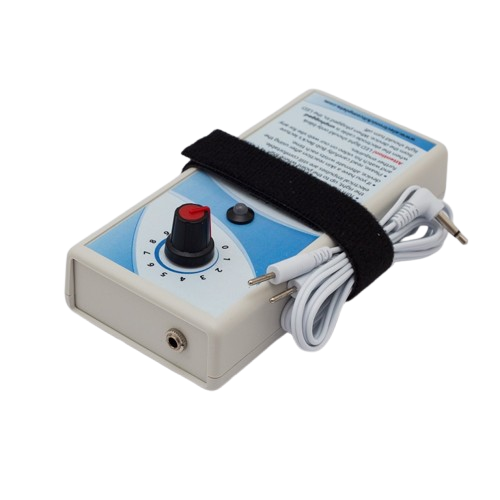
The idea of using small electrical currents for general wellness is not new. For decades, independent researchers have explored how low-voltage electricity might influence the body, including the properties of blood itself. It’s crucial to distinguish these wellness tools from the official deep vein thrombosis medical devices your doctor would prescribe for treatment. Personal bio-electric devices are designed for home research and supporting overall wellness. As you explore this fascinating field, it is vital to be a discerning and informed individual. Learn more about the pioneering research in bio-electrification.
Empower Your Health: A Proactive Approach to Circulation
Navigating the world of DVT prevention means understanding all your options. We’ve seen that while traditional deep vein thrombosis medical devices like compression stockings and pumps play a critical role in management and treatment, the true power lies in proactive daily care. The cornerstone of this approach is fostering healthy, robust blood circulation, which is fundamental to your body’s overall vitality and resilience. Taking simple, consistent steps to support your circulatory system is one of the most effective strategies for long-term wellness.
Many are now discovering that supporting the body’s electrical nature is a key part of this foundation. If you are ready to take a more hands-on role in your well-being, we invite you to explore the principles of bio-electric health and wellness. Our work is based on decades of independent research, and we are committed to helping you on your journey with dedicated support for all our users and worldwide shipping on all kits. Your path to better health is in your hands.
Frequently Asked Questions
Can deep vein thrombosis be treated at home?
Deep vein thrombosis is a very serious condition, and you should always consult a licensed healthcare professional for a diagnosis. While conventional treatments are prescribed in a clinical setting, many people explore supportive at-home options to manage their circulation. After getting professional advice, individuals often use tools like compression devices or electrical stimulation to complement their care plan, taking an active role in their own health and recovery process right from their living room.
Are compression stockings as effective as an IPC medical device?
Think of it as passive versus active support. Compression stockings provide constant, static pressure, which is certainly helpful for many. However, an Intermittent Pneumatic Compression (IPC) device actively mimics the body’s natural muscle-pumping action. Inflatable sleeves squeeze and release, physically pushing blood through the veins. For those seeking a more powerful and dynamic way to support circulation, an active IPC device is often a more effective choice than stockings alone.
What is the difference between an EMS device and a TENS unit?
It’s a simple but important difference. A TENS (Transcutaneous Electrical Nerve Stimulation) unit is designed to block pain signals by stimulating the nerves. An EMS (Electrical Muscle Stimulation) device, on the other hand, sends signals that cause your muscles to contract and relax. For circulation, EMS is the technology you want, as this muscle-pumping action is what helps move blood through your veins, much like walking or exercising does.
Are at-home electrical stimulation devices safe for improving circulation?
Many people have found these devices to be a safe and effective way to maintain healthy circulation without drugs. The technology itself has been studied for years. When used as directed, at-home deep vein thrombosis medical devices that use electrical stimulation are generally very safe. The key is to start slowly, listen to your body, and always follow the manufacturer’s instructions. It’s about empowering yourself with tools that support your body’s natural functions.
What are the main risks associated with conventional DVT treatments?
The most common treatments for DVT involve pharmaceutical blood thinners, or anticoagulants. While they can be effective, they come with a significant risk of bleeding. This means even a small cut or a minor fall can become a serious event. Many people are concerned about this trade-off and begin researching alternative or complementary approaches that don’t carry the same internal bleeding risks and allow the body to manage its own systems more naturally.
How can I naturally improve my blood circulation to help prevent clots?
Your daily habits make a huge difference. The most powerful thing you can do is move your body-walking, stretching, and simply not sitting for too long are crucial. Staying well-hydrated thins the blood naturally, making it easier for your heart to pump. Many also find that incorporating foods like garlic, cayenne pepper, and ginger can support circulatory health. Elevating your legs when you rest also uses gravity to help blood flow back to your heart.