Electricity

  • Transcranial Magnetic Stimulation (TMS)

    Transcranial Magnetic Stimulation (TMS): Transcranial Magnetic Stimulation (TMS) is a non-invasive procedure used to treat various neurological and psychiatric conditions. It involves the use of electromagnetic pulses that are delivered to specific regions of the brain through a coil placed on the scalp. During a TMS session, the electromagnetic pulses generate small electrical currents in…

  • Deep Brain Stimulation

    Deep Brain Stimulation (DBS): Deep Brain Stimulation (DBS) is a surgical procedure used to treat certain neurological conditions, primarily movement disorders such as Parkinson’s disease, essential tremor, and dystonia. It involves the implantation of thin electrodes into specific deep brain structures. During the procedure, the electrodes are carefully placed in the targeted areas of the…

  • Electromyography

    Electromyography (EMG): Electromyography (EMG) is a diagnostic procedure used to evaluate the electrical activity of muscles and the associated nerve pathways. It is commonly performed to assess and diagnose various muscle and nerve-related conditions. During an EMG, small electrodes are placed on the skin above the muscles being tested or, in some cases, directly inserted…

  • Transcutaneous Electrical Nerve Stimulation

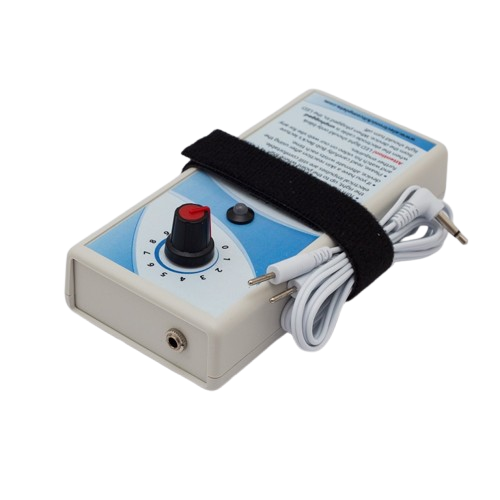
    Transcutaneous Electrical Nerve Stimulation (TENS): Transcutaneous Electrical Nerve Stimulation (TENS) is a non-invasive therapy that uses low-voltage electrical currents to relieve pain. It involves the use of a small, battery-operated device that delivers electrical impulses through electrodes placed on the skin near the area of pain or along specific nerve pathways. The electrical impulses generated…

  • Neuromodulation

    Neuromodulation: Neuromodulation is a field of medical treatment that involves the use of electrical or chemical stimulation to modify the activity of the nervous system. It is employed to manage various neurological and psychiatric conditions by targeting specific neural pathways and structures. There are different types of neuromodulation techniques used in healthcare: Spinal Cord Stimulation…

  • Functional Electrical Stimulation

    Functional Electrical Stimulation (FES): Functional Electrical Stimulation (FES) is a technique that uses electrical currents to stimulate nerves and muscles to restore or improve function in individuals with neurological or musculoskeletal impairments. It involves the application of controlled electrical pulses to specific nerves or muscle groups, aiming to produce functional movements or contractions. FES can…

  • Electrical Stimulation for Wound Healing

    Electrical stimulation has shown promise as a therapy to enhance wound healing, particularly in chronic or non-healing wounds. Electrical stimulation can be delivered through various techniques, such as direct current (DC) stimulation or capacitive coupling. When applied to wounds, electrical stimulation can promote several beneficial effects: Enhanced Blood Flow: Electrical stimulation can help improve blood…

  • The field of electrical healing

    Here are ten names of individuals who have contributed to the field of electrical healing: Luigi Galvani: Italian physician and physicist who conducted pioneering research on the effects of electricity on the nervous system and muscles, leading to the discovery of bioelectricity. Alessandro Volta: Italian physicist credited with inventing the first electric battery, known as…